
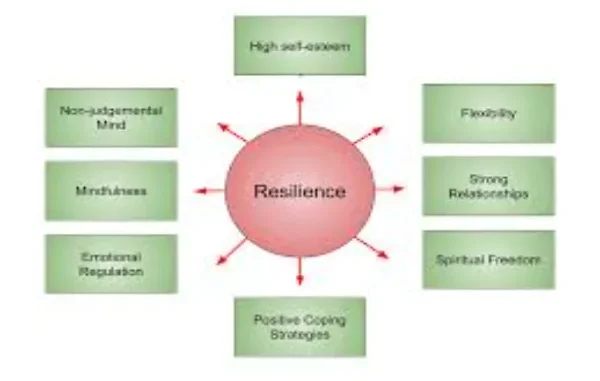
Modern life can amplify anxiety, but skills and structure can raise your baseline of calm. Know that resilience is not a fixed trait but grows with practice. Small, steady habits build capacity with time, even on hard days. Keep reading to learn more.
Know What Resilience Really Means
Anxiety resilience is your ability to face stress, bend, and come back to center. It does not mean you never worry, but that you can recover faster and keep moving.
Start by naming the common triggers in your week. Notice where anxiety shows up in your body and schedule. Keep notes on what helps you settle within 10 minutes. These notes become a playbook you can use anywhere. Resilience grows when you make calm a daily skill, not a rare event saved for perfect conditions.
Explore Alternative Ways to Unwind
Your nervous system likes variety. Pair core skills like sleep, movement, and breath with light experiments. Try nature sounds, a warm shower, or a supportive chat with a friend. Keep what works and drop what doesn’t.
Some people look into weed strains to lower stress levels. Before making a choice, check the Animal Face strain profile and read as much information about it. Treat any new idea as a test and discuss questions with a clinician if you have medical or legal concerns. Keep your experiments small and time-limited so they stay supportive.
Practice Daily Stress Hygiene
Think of stress like dust. If you clear a little each day, it never piles up. Put small resets on your calendar: a short walk after lunch, a 3-minute breathing break before meetings, a fixed bedtime.
Public health guidance explains that long-term stress can harm your health, and that daily management helps prevent it from becoming chronic. Use that as a nudge to build micro-routines you can repeat when busy. Keep them simple and short so you actually do them. When your mind races, return to the next small step on your list and finish that one thing.
Train Your Attention and Your Thinking
Anxious thoughts pull focus to threats. Attention training helps you choose where to aim your mind. Start with 60 seconds of single-task focus on a neutral object, like your breath or a nearby sound.
Add thought skills that balance your inner voice. Write the worry, rate its intensity, and ask what a helpful friend would say. Replace all-or-nothing words with softer ones like possibly or sometimes. Practice daily so these tools are ready when stress spikes. Your mind will learn to return to the center faster.
Use Graded Exposure and Real Practice
Avoidance feeds anxiety, and that’s how graded exposure breaks big fears into smaller, doable steps. Write a ladder: 10 steps from easiest to hardest. Practice the first step until your discomfort falls by half.
Technology can prove helpful in easing anxiety. A report on classroom practice described how a virtual reality tool for public speaking reduced the share of anxious students and raised confidence after repeated sessions. The key idea is safe repetition under controlled stress.
Keep exposures brief, log your progress, and reward effort. Each rep teaches your brain that you can cope and recover.
Move Your Body and Breathe On Purpose
Bodies carry stress, while movement releases it. Aim for short, regular sessions you can sustain, like brisk walks, light strength work, or simple stretches. Consistency beats intensity when your goal is calm.
Pair movement with breathing that signals safety. With a 4-6 pattern, you can inhale 4 counts, exhale 6 counts, for 2 minutes. Longer exhales cue the nervous system to slow down. Use this before hard calls or after tense moments. If you track mood, note how movement days compare with rest days.
Build Support and Set Clear Boundaries
Resilience is social, so you want to identify three people you can text when stress climbs. Tell them exactly how to help, maybe through a quick check-in, a funny video, or silent company on a walk.
Set boundaries that protect your energy. Block focus time, batch messages, and limit late-night scrolling. If you overcommit, practice a kind no with a short reason and one alternative.
Support and boundaries work together. One gives you anchors to lean on, and the other keeps your boat from taking on water.

Small and steady actions build a sturdier mind. Clear daily stress, train attention, move, and lean on people you trust. Use exposure to practice courage in safe steps, and refine your plan each week. You will bend without breaking and return to calm more quickly.