
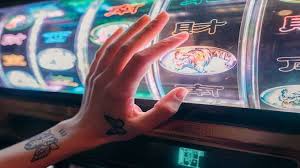
Video games and slot machines have more in common than what people might initially consider, adopting various design features that have evolved side by side for decades. Both of which rely on a carefully programmed computer system that allows for randomness and visuals, despite both types of games sharing a different progression structure. Mechanics commonly found in video games, such as levels, unlockable content, and achievements, have influenced the way modern slot machines are designed. At the same time, concepts originally developed for casino games, including probabilistic reward systems, have found their way into video game design. This influence highlights the technical and creative overlap that is far beyond just the gameplay that has helped to shape both industries.
Shared Mechanics
Video games and slot machines both rely on systems that structure how players move through the experience. In video games, this often takes the form of levels, skill trees, or unlockable content, which indicate progress over time. Slot machines have taken on ideas from video games, including bonus rounds, multipliers, and stages that add extra layers of complexity while still following programmed probabilities. These features show how design concepts can move from one type of game to another, adapting to different formats while keeping the core ideas intact. By using these mechanics, developers can create clear patterns and sequences that give the game a sense of order, even though slots and video games work in very different ways.
The Rise of Game-Themed Slots
Slot machines increasingly borrow from video games, using characters, worlds, and storylines from existing titles. Designers take familiar visuals and imagery and adjust them so they fit the way a slot machine works and the theme it follows. This shows how creative ideas and technical skills can move from one industry to another, creating a clear link between video games and slot machines that goes beyond just looks.
Gamification in Casinos
Many modern slot machines incorporate design ideas first developed in video games. Features such as achievements, unlockable goals, and multi-level challenges have been added to slot machines, all guided by programmed sequences. These ideas work in much the same way as progression systems in video games, helping to give the game a clear structure. The way these elements have moved between industries shows that design ideas can be shared and adapted. By borrowing concepts from video games, slot developers can organise their games differently, often alongside promotional features such as a casino bonus that adds another layer to how players engage with these systems.
Tech Innovations Bridging the Gap
Technological advances have allowed slot machines to borrow methods from video games more easily. Digital screens and software allow for a more complex option to be available, including animations that are incredibly similar to video game interfaces. Better programming tools now allow designers to handle several game systems at once and calculate probabilities more accurately. This makes it easier to bring ideas from video games into slot machines, letting developers mix technical complexity with clear, organised game mechanics. The result is a clear example of how technology encourages cross-industry innovation.
How Slots Influence Video Game Design
The influence between video games and slot machines runs in both directions. Slot machines use probabilistic systems to control when features occur, and similar concepts have appeared in video games in the form of loot boxes and chance-based mechanics. Both use maths to set up structured sequences in the game. Video games that borrow these ideas follow a similar logic to slot machines, even though they still operate by their own rules. This transfer of technical principles shows that the connection between the two industries is grounded in design and programming, rather than just themes or style.
Future Trends
The relationship between video games and slot machines is likely to become even closer as technology advances. Advances like cloud computing, better programming tools, and more sophisticated algorithms give both video games and slot machines the chance to experiment with more complex systems. Ideas that have been stimulated from video games, such as modular interfaces and progression, could continue to influence how slots are designed, while probability mechanics from slots could also appear more commonly in video games. This back-and-forth shows that the two industries are likely to keep borrowing ideas from each other, forming a long-term connection based on practical innovation rather than just surface similarities.
Conclusion
Video games and slot machines have shaped one another over the years, sharing design ideas and technical methods. Systems that track progression or rely on programmed mechanics have moved between the two industries, which affects how games are built and organised. Game-themed slot games in video games provide a clear example of this influence, which shows that the connection between the two is based on practical design choices, rather than simply the visual design and appearance. As technology continues to advance, this exchange of ideas is likely to continue, creating a sustained and mutually beneficial relationship between video game and slot machine development.