
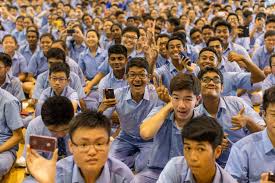
A school name can sound impressive, yet daily practice reveals its real quality. Clear signs appear in classroom conduct, student support, and school culture. A sound review looks at visible actions rather than reputation alone. Start with practical evidence, then form a confident and balanced judgement.
Across Singapore, many families recognise the best secondary schools through consistent standards and clear student support. Strong schools show purpose in lessons, activities, pastoral care, and leadership. Each feature helps families see how a school supports steady development. This careful view suits the varied education system.
Core Values That Shape Student Character
School values guide conduct, respect, and responsibility across every part of campus life. Clear principles help students understand acceptable behaviour and shared community expectations. A strong value system appears in assemblies, class routines, and discipline policies.
Teachers reinforce these standards through calm guidance and fair classroom management. Students gain character strength when school values remain visible each day. This foundation supports academic effort, personal discipline, and respectful social relationships.
Clear Conduct Standards
Students benefit when rules remain fair, visible, and consistently applied. A clear code of conduct helps staff guide behaviour with confidence. Strong standards create respect across classrooms, activities, and shared spaces.
Respect Through Daily Practice
Respect grows when students see positive conduct in daily routines. Teachers reinforce courtesy through calm correction and clear expectations. This practice helps students build responsibility across school life.
Emotional Support Systems Within School Environment
Emotional Wellbeing helps students maintain focus, confidence, and healthy personal balance. A strong pastoral system includes counsellors, form teachers, and trusted staff contacts. Schools in Singapore provide structured support through guidance sessions and care channels.
Staff members respond to concerns with patience, respect, and clear next steps. Students feel secure when support services remain accessible and well organised. Clear communication helps families understand school aims without confusion or guesswork. This care structure strengthens wellbeing and helps students stay engaged in school life.
Cultural Diversity Across the School Community
A diverse school community helps students respect different backgrounds and personal experiences. Singapore reflects many cultures, so school culture should support mutual respect. Classroom activities can present varied viewpoints across language, history, and social topics. Students gain social awareness through shared projects, events, and group discussions. Respectful interaction helps every student feel valued within the school community. This environment builds empathy, confidence, and positive relationships among classmates.
Signs of Cultural Respect
- School events represent different traditions with care, accuracy, and equal dignity.
- Classroom materials include varied examples across cultures, families, and communities.
- Staff members address bias quickly through clear guidance and fair action.
Student Expression Through School-Based Opportunities
Personal expression helps students discover interests beyond formal academic assessment. Schools can support this area through debate, music, art, and public speaking. These activities give students safe spaces to share ideas with confidence.
Teachers can guide students toward clubs that match clear personal strengths. Students gain self-belief when their achievements receive fair recognition and encouragement. A school that supports expression helps students develop identity and purpose.
Daily Classroom Atmosphere and Student Experience
The classroom atmosphere affects attention, confidence, and effort during each school day. Schools in Singapore maintain useful routines that support discipline and steady focus. Clear lesson plans help students follow expectations and complete tasks with purpose.
Positive teacher relationships encourage participation without fear or unnecessary pressure. Students progress well when lessons feel organised, respectful, and purposeful. A steady classroom climate helps academic habits become part of daily life.
External Partnerships and Exposure Opportunities
External partnerships can widen student experience through workshops, talks, and enrichment projects. Many Singapore schools work with museums, universities, charities, and cultural institutions. These links help students connect subject knowledge with practical examples.
Structured exposure can spark interest in science, arts, service, or leadership. Students benefit when schools choose partners that match educational aims. Such opportunities add depth to school life without reducing academic focus.
Confidence Growth Through Independent Thinking Development
Independent thinking helps students assess information and express reasoned opinions clearly. Teachers can encourage this skill through essays, presentations, and class dialogue. Students learn to support ideas with evidence and sound judgment.
The biggest secondary school in Singapore may still need clear systems that support independent thought. This practice strengthens academic maturity and personal responsibility over time. Confidence grows when students receive feedback that guides improvement with respect. A school that develops independent thought prepares students for advanced study.
A school earns strong regard through visible practice, not reputation alone. Families gain clarity when they review values, care systems, culture, and classroom life. These factors show how well a school supports academic and personal progress. Across Singapore, the best secondary schools reflect consistent standards across many connected areas. Review each element closely, then choose a school with clear confidence. A thoughtful decision can shape a stable and purposeful education path.