
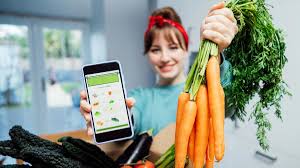
Eating more vegetables is one of the most consistent pieces of advice across nearly every credible approach to health, weight management, and disease prevention. The challenge for most people is rarely knowledge. Almost everyone knows that vegetables matter. The challenge is access, consistency, and the practical friction of keeping a fresh supply at home when schedules are packed and grocery runs are easy to skip.
This is exactly the gap that online vegetable delivery has moved to fill. Rather than treating fresh produce as something you fit in around everything else, delivery turns it into something that shows up reliably, without requiring a separate trip, without the produce going unnoticed at the back of the fridge after you grabbed something quicker for dinner.
The Problem With Sporadic Grocery Shopping
Most people eat what is in front of them. This is not a failure of willpower; it is how the brain responds to availability. When the kitchen contains chips, processed snacks, and frozen convenience foods but limited fresh produce, those are the items that get eaten. When fresh vegetables are visible, prepped, and accessible, they get eaten instead.
The issue is that keeping fresh produce stocked requires consistent effort. It means planning meals, making regular grocery trips, and using vegetables before they spoil. For households running on tight schedules, this loop breaks constantly. Produce gets forgotten, delivery services for takeout fill the gap, and fresh vegetable intake drops without anyone making a deliberate choice for that to happen.
Delivery solves this at the structural level. A recurring weekly delivery of fresh vegetables does not depend on motivation or memory. It shows up, and the kitchen is stocked whether or not there was time to plan for it.
What Online Vegetable Delivery Actually Offers
Choosing to get vegetables delivered online means receiving fresh, seasonal produce directly to your door on a regular schedule. Seasonal vegetable programs often rotate what is included based on what is freshest and most abundant at a given time of year, which naturally introduces variety into the diet without requiring research or effort from the buyer.
Variety in vegetable intake is itself a nutritional benefit. Different vegetables provide different micronutrients, fiber types, antioxidants, and phytochemicals. A diet that cycles through a wide range of produce across the year is nutritionally broader than one that relies on the same handful of familiar items bought out of habit every week.
Delivery also removes one of the hidden costs of fresh produce: spoilage. When you buy vegetables with the intention of using them but do not plan around them, waste is common. A delivery that arrives with a clear weekly window creates a natural prompt to use what you have before the next box arrives.
Fitting Delivery Into a Realistic Eating Routine
Vegetable delivery works best when paired with basic preparation habits that reduce the gap between receiving produce and actually eating it. Washing and chopping vegetables when the box arrives, rather than leaving them whole, dramatically increases the likelihood they get used. Prepped vegetables in a visible container in the fridge disappear quickly because they are already ready.
Batch cooking is another habit that amplifies the value of regular produce delivery. Roasting a sheet pan of mixed vegetables at the start of the week produces a versatile ingredient that can be added to grain bowls, eggs, sandwiches, pasta, or eaten on its own across several days.
For households with children, exposure to a variety of vegetables over time increases familiarity, which is one of the most reliable predictors of whether children will eat them.
The Broader Impact on Eating Patterns
Consistent vegetable intake is one of the most supported interventions for long-term health. Diets high in vegetables are associated with lower rates of cardiovascular disease, type 2 diabetes, certain cancers, and obesity. The mechanism involves fiber, micronutrients, anti-inflammatory compounds, and the simple displacement of more calorie-dense, nutrient-poor foods when vegetables take up more of the plate.
The difficulty has never been knowing that vegetables are valuable. It has been making regular consumption the default rather than the exception. Delivery services address the structural barrier rather than asking people to rely on consistency of motivation, which is always the weaker lever for lasting dietary change.
FAQ
How does vegetable delivery work? Most services allow you to choose a box size and delivery frequency, typically weekly or biweekly. Seasonal produce is packed and shipped to your address. Some services allow customization of what is included; others send a curated selection.
Is it more expensive than buying vegetables at the grocery store? The per-item cost can be comparable or lower than retail, particularly for services that source imperfect or surplus produce. The cost of waste from unused groceries is worth factoring in as well, since delivery with a clear weekly cadence often results in less spoilage than irregular grocery shopping.
What types of vegetables are typically included? This varies by season and service. Common inclusions are leafy greens, root vegetables, brassicas, squash, peppers, tomatoes, and alliums. Seasonal rotation means the selection changes across the year.
Can I pause or cancel delivery? Most subscription-based delivery services allow pausing or cancellation, typically with a few days notice before the next delivery date. Checking the specific terms of the service before subscribing is recommended.
Is delivery available everywhere? Coverage varies by service and region. Most services operate within defined delivery zones. Checking your zip code against the service’s delivery area before signing up confirms availability.