
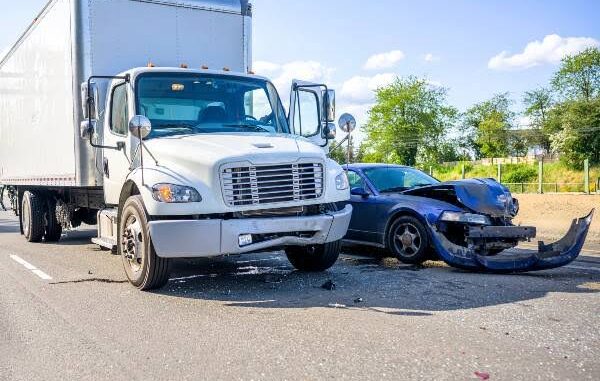
Commercial trucking is everywhere, and that means truck accidents happen all the time. While many accidents trace to understandable factors like weather and traffic conditions, the reality is that far too many boil down to too many inexperienced truckers on the road. The industry suffers from notorious driver shortages, and the turnover rate is brutal. That means fleets are putting inexperienced drivers behind the wheels of rigs every day.
Driver experience is a well-known safety factor. Even when driving a compact car, having a bit of experience reduces the risk of an accident, especially a catastrophic one. Mix in the dangers inherent to large trucks pulling heavy loads, and you can easily see why trucking experience is important.
If you suffered injuries in a trucking accident, you have the right to demand compensation. You also need to provide an argument regarding why the defendant was at fault. A strong argument in many cases is that a company put a trucker on the road who lacked the necessary experience. Here is a look at how a truck accident lawyer typically approaches the question of the commercial driver’s experience when filing a claim.
Why Inexperienced Truck Drivers Are So Common
Multiple economic and sociopolitical factors are driving trucker shortages. An aging population means that lots of experienced drivers are coming off the road. Likewise, crackdowns on illegal immigrants in the trucking industry, regardless of your opinion on the topic, create a fundamental problem with the math. The demand for drivers right now plainly outstrips the supply, and chronic driver shortages were the norm long before this decade made things worse.
The trucking industry has long advertised through driving schools that promise to get new drivers on the roads within weeks. That might be good for business, but it isn’t great for public safety. While the requirements for a commercial driver’s license are supposed to prevent bad drivers from hitting the road, the reality is quite different. Schools teach to the test, and state governments have little motivation to make the tests tougher. States want the economic activity that comes with trucking, and the reality is that the inevitable trucking and highway deaths are seen as part of the cost of doing business.
To be clear, the first few months on the job carry the highest crash risk. Inexperienced drivers don’t know their vehicles, and they lack the highway experience required to anticipate bad situations early enough to prevent them. No matter how great their trucking school was, there is no substitute for real-world, earned experience.
How Inexperience Specifically Contributes to Truck Accidents
A commercial truck is a heavy and complex machine that moves down the road at a high rate of speed. The simple act of stopping it involves more than pressing the brakes. A driver has to know their vehicle’s weight and anticipate how traffic ahead is likely to behave. Timing stopping distance is easily one of the biggest challenges.
Blind spots are another nightmare for even highly experienced drivers. There are zones all around a truck where it’s simply hard to determine if a car is nearby. If a trucker begins a maneuver into another lane, they can readily pull their rig or the trailer into the path of a car without ever seeing it.
Wide turns present further problems. Truckers need to know how to negotiate wide turns at intersections. They also have to deal with curved ramps coming off highways. Mix in blind spots and braking distances, and this is a formula for an experienced driver to hurt or kill someone else on the road.
Cargo and weight management are difficult under the best of circumstances. Loads move around unpredictably. Drivers have a responsibility to secure loads, but they often assume the people at the last dock did the job. Thousands of pounds swinging back and forth inside a trailer can make it impossible for a driver to control the trailer. Likewise, loads can shift forward or backward. Some may even fall off the trailer.
Weather conditions will eventually turn against a trucker, too. Rain, snow, ice, fog, and high winds all present challenges. Haze from wildfire smoke is also becoming an increasing problem in the U.S. Weather conditions can make it tough for a driver to judge braking distances due to low visibility. Slick roads also reduce friction, introducing longer braking distances.
Truckers also need to know their vehicles. Just knowing how to activate the air-brake system can save seconds. There is also immense value in knowing how to handle the shifter, the controls, and even the mirrors.
Inexperienced drivers are less likely to manage their fatigue well. Especially on long hauls, fatigue is a major contributor to accidents.
Who’s Liable for Driver Inexperience?
It is easy to point to the driver and blame them for being inexperienced, but trucking companies have a duty to mitigate the risk of inexperience. If they put inexperienced drivers on the road with demanding schedules, for example, that may be a fleet’s responsibility. If the trucking company just assumes the school taught the driver everything, that’s another source of possible liability. The company needs to take steps to bring inexperienced drivers up to speed and make sure they’re safe before taking out a single load.
If a company has in-house training, there may be questions about the pressure to put new drivers behind the wheel quickly. The good news is that a truck accident lawyer can typically demand discovery of the logs that show what training a driver had and whether it was sufficient. They can raise questions about schools and companies with chronic histories of accidents involving inexperienced truckers.
Who pays can be a tricky question. Multiple insurers are often involved in trucking cases. Some drivers and companies are self-insured, too. This makes truck accident claims different from car crash cases.
You have the right to demand compensation for injuries from a truck accident, especially one involving an inexperienced driver. If you believe an inexperienced driver was at fault, start looking at how to pursue a claim.
Additionally, if you are a truck accident attorney, rest assured that you can find guidance for complex truck accident cases by becoming a part of Academy of Truck Accident Attorneys.