
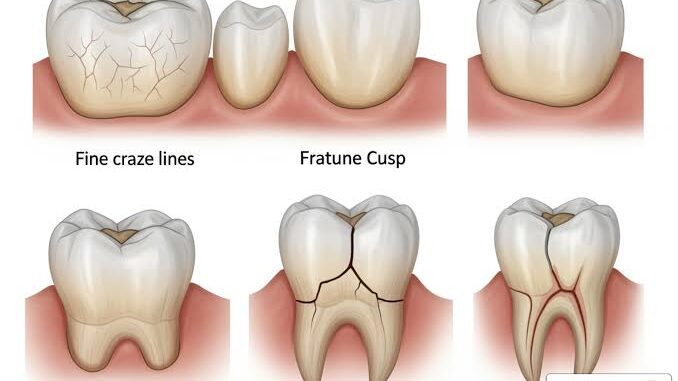
A chipped or cracked tooth can happen unexpectedly while eating, playing sports, or experiencing an accident. Although some damage may seem minor, a fracture can expose sensitive inner layers or worsen if left untreated. Knowing what to do immediately can help protect your tooth, reduce discomfort, and improve the chances of successful treatment while you arrange a professional dental evaluation.
Stay Calm And Assess The Situation
Discovering a damaged tooth can be alarming, especially if there is sudden pain or bleeding. The first step is to stay calm and carefully assess what happened. Look for visible damage, swelling, bleeding, sensitivity, or difficulty biting. If you can locate a piece of the tooth that broke off, save it and bring it with you when you see a dentist.
Not every chip or crack requires the same type of treatment. A small chip affecting only the outer surface may be relatively straightforward to repair, while a deeper fracture may involve the inner tooth structure. Because the extent of damage is not always visible, professional evaluation is important even when discomfort seems manageable.
Avoid repeatedly touching the damaged area with your fingers or tongue. Doing so can irritate the tooth and surrounding tissues. Instead, focus on keeping the area clean and preventing additional pressure until you can receive dental care.
Rinse Your Mouth And Protect The Tooth
After a tooth is chipped or cracked, gently rinse your mouth with lukewarm water. This can help remove food particles and debris from around the affected area. Avoid using extremely hot or cold water if the tooth is sensitive, as temperature changes may trigger discomfort.
If there is bleeding from the gums or soft tissues, apply gentle pressure with clean gauze or a clean cloth. Hold it against the area for several minutes and avoid repeatedly removing it to check whether the bleeding has stopped. Persistent or heavy bleeding should be evaluated promptly by a dental professional or another appropriate healthcare provider.
Protect Sharp Edges
A chipped tooth may leave behind a sharp edge that can irritate your tongue, cheek, or lip. If the edge is causing discomfort, temporary dental wax can sometimes help cover the rough area until you can see a dentist. If wax is unavailable, avoid chewing on that side rather than attempting to reshape the tooth yourself.
Do not use household adhesives, files, or other tools to repair or smooth a damaged tooth. These methods can cause additional damage or introduce harmful substances into your mouth. Dental repairs should be performed with appropriate materials and techniques by a qualified professional.
Manage Pain And Sensitivity
A cracked or chipped tooth may become sensitive to cold, heat, sweet foods, or pressure. If you experience discomfort, avoid foods and drinks that trigger it. Soft, lukewarm foods may be easier to tolerate while you wait for an appointment.
If appropriate for you, over-the-counter pain medication can help manage temporary discomfort when taken according to the product directions. A cold compress placed against the outside of the cheek may also help reduce swelling and provide some relief. Avoid placing ice directly against the tooth or gums because extreme cold can increase sensitivity and irritate oral tissues.
Do not place aspirin or other medication directly against the tooth or gums. Doing so can irritate or damage the soft tissues in your mouth. If pain is severe, persistent, or worsening, contact a dental professional rather than relying solely on home care.
Know When A Cracked Tooth Needs Urgent Care
Some dental injuries can wait for a routine appointment, but others require prompt attention. A tooth that has been significantly fractured may expose the inner pulp, where nerves and blood vessels are located. This can cause substantial pain and increase the risk of infection if the problem is not treated.
Contact a dentist as soon as possible if you experience severe or persistent tooth pain, significant sensitivity, swelling, bleeding that does not stop, or a fracture that appears deep. You should also seek prompt care if the tooth becomes loose or if you cannot comfortably close your mouth or bite normally.
Signs Of A Dental Emergency
Certain symptoms can indicate that the injury requires immediate professional attention. Severe swelling around the face or jaw, difficulty breathing or swallowing, uncontrolled bleeding, or signs of a serious facial injury warrant urgent medical evaluation.
If the injury resulted from a significant accident, consider the possibility of other injuries in addition to the damaged tooth. A dental professional can assess the tooth itself, but serious trauma may require broader medical attention.
If you are searching for an emergency dentist near Odessa, MO, explain what happened when you contact the dental office. Describe your symptoms, when the injury occurred, and whether the tooth is painful, loose, bleeding, or sensitive. Providing these details can help the dental team determine how quickly you should be evaluated.
Avoid Making The Damage Worse
After a tooth has been damaged, your immediate habits can affect how comfortable and protected it remains. Avoid chewing hard, crunchy, or sticky foods on the affected side. Foods that require substantial biting force can place additional stress on a cracked tooth and potentially cause the fracture to spread.
It is also wise to avoid biting objects such as pens, fingernails, ice, or other hard items. Even a tooth that has only a small crack can become more vulnerable to pressure. Until your dentist has evaluated the injury, treat the damaged tooth gently.
Continue brushing your teeth, but be careful around the injured area. Keeping your mouth clean is important, particularly if the damaged tooth has created an irregular surface where food can collect. Use gentle movements and avoid aggressive brushing if the area is painful.
Understand How A Dentist May Treat The Tooth
Treatment depends on the location, size, and depth of the chip or crack. Your dentist may examine the tooth visually, ask about your symptoms, evaluate your bite, and use dental imaging when appropriate. The goal is to determine how much of the tooth has been affected and whether the nerve or surrounding structures are involved.
A minor chip may require only smoothing or a restorative procedure to rebuild the missing portion. Depending on the tooth and the extent of the damage, a dentist may use a tooth-colored restorative material to improve its shape and appearance.
A more substantial fracture may require a stronger restoration to protect the remaining tooth structure. In some situations, treatment may involve addressing damage to the inner portion of the tooth before restoring its visible structure. The appropriate approach will depend on the individual circumstances.
Why Prompt Treatment Matters
It can be tempting to ignore a small crack if it does not hurt. However, some cracks are difficult to see and may progress over time. Chewing repeatedly places pressure on the tooth, and that pressure can potentially cause existing damage to become more extensive.
Early evaluation allows a dentist to determine whether the tooth can be monitored or whether treatment is recommended. Addressing the problem before symptoms become severe may also make treatment more manageable and help preserve as much healthy tooth structure as possible.
Prevent Future Chips And Cracks
Although accidents cannot always be prevented, several habits can reduce the likelihood of dental damage. Avoid chewing on hard non-food objects and be cautious with foods that place significant stress on the teeth. If you participate in contact sports or activities where facial injuries are possible, ask your dentist about an appropriately fitted mouthguard.
Good oral hygiene also plays an important role in maintaining strong teeth. Brush regularly with fluoride toothpaste, clean between your teeth, and attend routine dental examinations. Preventive visits give your dentist an opportunity to identify weakened areas, decay, worn restorations, or other concerns that could increase the risk of damage.
Address Tooth Grinding
Habitual teeth grinding or clenching can place considerable force on the teeth. Some people grind their teeth during sleep without realizing it, while others clench their jaws during periods of stress or concentration.
If you frequently wake with jaw discomfort, headaches, tooth sensitivity, or signs of wear, mention these symptoms to your dentist. An evaluation can help determine whether grinding or clenching may be contributing to dental problems and whether protective measures could be appropriate.
Conclusion
A chipped or cracked tooth should not be ignored, even when the damage initially appears minor. Rinse gently, protect the area, avoid putting pressure on the tooth, and arrange a dental evaluation as soon as practical. Severe pain, swelling, uncontrolled bleeding, or significant trauma requires prompt attention. Acting quickly can help protect your oral health and prevent a small problem from becoming more serious.