
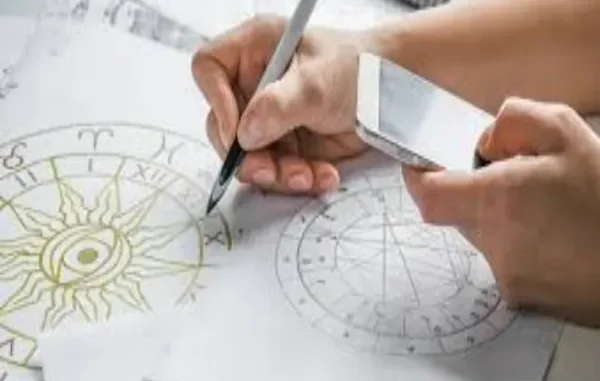
In a world shaped by political instability, rapid technological change, and growing social fragmentation, millions of people are turning inward in search of meaning. One unexpected beneficiary of this shift is astrology — not as a mystical relic of the past, but as a modern, data-driven digital experience.
From the United States to Europe and Asia, astrology apps and services are experiencing a surge in popularity. Platforms offering natal charts, personalized horoscopes, and even compatibility analysis are no longer niche products. They are becoming part of the broader conversation about mental health, identity, and human connection in a complex global landscape.
A Global Context: Uncertainty Drives Introspection
Political polarization, economic pressure, and the aftermath of global crises have reshaped how people relate to the world — and to each other. Surveys across multiple regions show rising levels of anxiety, loneliness, and emotional burnout. As traditional institutions struggle to provide reassurance, individuals increasingly explore alternative frameworks for understanding themselves.
Astrology, once dismissed by mainstream culture, now intersects with:
- Digital self-care trends
- The quantified-self movement
- AI-powered personalization
- Online communities seeking emotional validation
This resurgence is not about predicting elections or stock markets. It is about storytelling, identity, and the human need to feel seen.
HintApp: A Case Study in Modern Digital Astrology
Among the emerging platforms in this space, HintApp stands out for how it combines classical astrological principles with modern user experience design. The service focuses on natal charts, daily insights, and relationship compatibility — including the idea of finding a “soulmate” through astrological patterns.
Unlike traditional horoscope columns, HintApp emphasizes personalization. Users input precise birth data, allowing the platform to generate detailed interpretations tailored to individual life themes, emotional tendencies, and interpersonal dynamics.
What Makes HintApp Different?
- Deep natal chart analysis rather than generic zodiac advice
- A strong focus on emotional resonance and relationships
- Accessible explanations without heavy esoteric language
- Community-driven credibility rather than aggressive marketing
One notable example of organic feedback comes from Reddit, where a user shared a deeply personal experience with the app. The post, now frequently referenced in Hint App reviews, highlights how unexpected emotional insight can emerge from well-designed digital tools.
Digital Astrology as a Reflection of Social Trends
Astrology apps are not replacing political analysis or economic forecasting. Instead, they coexist alongside them, reflecting a broader cultural shift.
Why People Are Turning to Astrology Platforms
- Loss of trust in traditional narratives
- Desire for personalized meaning in a mass-media world
- Loneliness amplified by digital communication
- The rise of wellness and self-reflection economies
In this sense, services like HintApp operate at the intersection of technology and psychology, not fortune-telling.
Technology, Data, and Personal Belief Systems
Modern astrology platforms rely on the same infrastructure as fintech or health apps:
| Component | How It’s Used in Astrology Services |
| Algorithms | Generate chart interpretations |
| User data | Enable personalization |
| UX design | Create emotional engagement |
| Community feedback | Build trust and credibility |
This raises broader questions relevant to global tech policy discussions:
How do belief-based services use data responsibly? Where is the line between emotional support and digital dependency?
Astrology, Relationships, and the Search for Connection
One of the most popular features of HintApp is its compatibility and relationship analysis. In an era where dating apps dominate but often leave users emotionally exhausted, astrology-based matching offers a different narrative — one focused on understanding rather than optimization.
This aligns with a global shift away from purely transactional digital interactions toward experiences that promise emotional depth.
Is This a Cultural Trend or a Temporary Escape?
Analysts suggest it may be both. As with meditation apps or digital therapy platforms, astrology services thrive when societies experience stress. Whether their influence lasts depends on how responsibly they evolve.
Conclusion: A Mirror of the Times We Live In
Astrology’s digital revival is not happening in isolation. It mirrors a world grappling with uncertainty, fragmented identities, and a deep hunger for connection. Platforms like HintApp do not claim to solve geopolitical crises — but they do offer individuals a language to process their inner worlds.
In that sense, modern astrology services are less about the stars and more about us.
Leave a Reply