
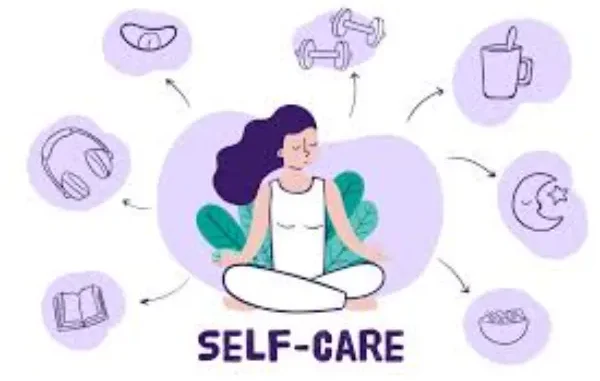
Self-care used to conjure images of spa days, expensive face masks, and weekend getaways. It was something you did when you had extra time and money, a treat reserved for special occasions. But somewhere along the way, that narrative shifted. Today, self-care looks different. It’s less about indulgence and more about sustainability. It’s the things we do every single day to keep ourselves functioning, balanced, and present.
This transformation didn’t happen overnight. It’s been building for years, influenced by cultural shifts, economic realities, and a growing understanding of what it actually takes to maintain our wellbeing in a world that never stops moving. We’ve moved from thinking of self-care as a luxury to recognizing it as a necessity, woven into the fabric of our daily lives rather than reserved for moments when we’re already burnt out.
The change is evident in how people talk about their routines now. Morning rituals aren’t just about getting ready for the day. They’re intentional practices designed to set the right tone. Evening wind-down habits have become sacred, with people incorporating everything from journaling to herbal teas to products like CBD sleep gummies from Joy Organics into their nightly routines. These aren’t extravagances. They’re building blocks of a life that actually works.
The Old Definition: Self-Care as Escape
For decades, self-care was marketed as an escape from real life. The message was clear: you’re stressed, you’re tired, you deserve a break. And that break looked like leaving your everyday existence behind, even if just for an afternoon. Massages, manicures, fancy brunches. These were the hallmarks of taking care of yourself.
There’s nothing inherently wrong with any of those things. They can be wonderful and rejuvenating. But the problem with positioning self-care as an escape is that it makes it temporary. You go to the spa, you feel great for a few hours or maybe a day, and then you return to the same circumstances that wore you down in the first place. Nothing fundamental changed.
This approach also made self-care inaccessible to many people. If taking care of yourself requires spending money you don’t have, or time you can’t spare, it becomes one more thing on the list of things you should be doing but can’t quite manage. It feeds into guilt rather than relief.
The luxury model of self-care also implied that regular life wasn’t good enough. Your daily existence needed to be escaped from, not improved. This created a strange disconnect where people would push themselves to the brink, then try to recover with a single indulgent experience, only to start the cycle over again.
The Shift: When Wellness Became Everyday
The shift toward routine-based self-care didn’t happen because of a single moment or movement. It was more like a slow realization that spread through different communities and eventually reached a tipping point. People started noticing that the spa day model wasn’t sustainable. You can’t escape your way to wellbeing.
Several factors contributed to this change. The rise of social media gave people platforms to share their actual daily routines rather than just their highlight reels. Influencers and regular people alike started posting about their morning pages, their meditation practices, their supplement regimens. Self-care became democratized in a way it had never been before.
Economic factors played a role too. Younger generations facing student debt, high housing costs, and uncertain job markets couldn’t always afford the traditional markers of self-care. They had to get creative, finding ways to prioritize their well-being without breaking the bank. This led to innovations in how people thought about taking care of themselves.
The conversation around mental health has also evolved significantly. As therapy became more normalized and discussions about stress and burnout became more open, people started understanding that mental well-being requires consistent attention, not occasional intervention. You can’t therapy your way out of a lifestyle that’s fundamentally unsustainable.
What Routine Self-Care Actually Looks Like
Modern self-care is built into the structure of the day. It’s the things you do before the world starts making demands on your time and energy. For many people, that means a morning routine that’s non-negotiable. Maybe it’s ten minutes of stretching, a cup of coffee enjoyed in silence, or a quick walk around the block before diving into work.
Evening routines have become equally important. People are realizing that how you end your day matters just as much as how you start it. This is where practices around rest and recovery come in. Some people journal to process the day. Others do gentle yoga or take a warm bath. Many have found that incorporating supportive products into their evening routine helps signal to their body that it’s time to transition into rest mode.
The focus has shifted from doing something occasionally when you’re already depleted to maintaining practices that prevent that depletion in the first place. It’s preventive rather than reactive. Instead of waiting until you’re completely burnt out to take action, you build in regular practices that help you maintain equilibrium.
This approach also acknowledges that self-care doesn’t have to be time-consuming or expensive. Sometimes it’s as simple as drinking enough water, getting outside for a few minutes, or setting boundaries around your work hours. These small, consistent actions add up in ways that occasional grand gestures never could.
The Role of Consistency Over Intensity
One of the biggest differences between luxury self-care and routine self-care is the emphasis on consistency rather than intensity. A weekly massage might feel amazing, but a daily five-minute breathing practice will likely have more impact on your overall stress levels over time.
This is where the concept of habits becomes important. When self-care becomes habitual, it stops requiring so much mental energy to execute. You don’t have to decide whether to do it or muster up motivation. It just becomes part of what you do, like brushing your teeth.
Building these habits requires a different mindset than the old approach. Instead of asking “What big thing can I do to take care of myself?” the question becomes “What small thing can I do today that I can also do tomorrow and the next day?” It’s about sustainability and long-term thinking.
Sleep as the Foundation
If there’s one area where the shift from luxury to routine is most evident, it’s in how we think about sleep. For a long time, sleep was almost worn as a badge of honor when lacking. People bragged about how little sleep they needed, how they could function on four hours, how they’d pull all-nighters and still perform.
That narrative has flipped. Now, good sleep is recognized as foundational to everything else. You can eat well, exercise regularly, and manage your stress, but if you’re not sleeping properly, none of it works as well as it should. Sleep isn’t a luxury or a sign of laziness. It’s a biological necessity that affects every system in your body.
This realization has led to a huge focus on sleep hygiene and evening routines designed to support better rest. People are more intentional about their bedroom environments, keeping them cool, dark, and quiet. They’re mindful about screen time before bed, understanding how blue light affects melatonin production.
Many people have also started incorporating supportive products into their sleep routines. Whether it’s magnesium supplements, herbal teas, or hemp-derived products from Joy Organics, the goal is to create conditions that allow the body to naturally transition into rest. The focus on sleep represents a broader understanding that self-care isn’t always about doing more. Sometimes it’s about creating space for your body to do what it naturally needs to do.
The Democratization of Wellness
Another significant aspect of this shift is that wellness practices have become more accessible across different income levels and lifestyles. You don’t need an expensive gym membership to move your body. You can find free yoga videos online, walk in your neighborhood, or do bodyweight exercises at home.
Similarly, practices like meditation and breathwork don’t require any special equipment or training. There are countless free apps and resources available. The barrier to entry has dropped significantly, making these tools available to people who might have previously felt shut out of wellness culture.
This democratization has also led to more diverse voices in the wellness space. It’s not just one demographic talking about self-care anymore. People from different backgrounds, cultures, and economic situations are sharing what works for them, expanding the definition of what wellness can look like.
Setting Boundaries as Self-Care
One of the most important aspects of routine self-care that often gets overlooked is the practice of setting boundaries. This might not look like traditional self-care, but it’s absolutely essential to maintaining your wellbeing over time.
Boundaries look different for everyone. For some people, it means not checking work email after a certain hour. For others, it’s saying no to social commitments when they need time to recharge. It might mean limiting time on social media or being selective about which family events to attend.
These boundaries aren’t about being selfish or antisocial. They’re about recognizing that you have limits and choosing to respect them rather than constantly pushing past them until you break down. This is self-care as protection, creating space for yourself in a world that will take everything you’re willing to give.
Learning to set boundaries is often harder than any physical self-care practice. It requires you to disappoint people sometimes, to prioritize your needs even when others want something from you. But it’s also one of the most impactful things you can do for your long-term wellbeing.
The Role of Community and Connection
While self-care is often framed as an individual practice, connection and community are increasingly recognized as essential components. Humans are social creatures. Isolation takes a toll on our mental and physical health in ways that no amount of individual wellness practices can fully counteract.
Routine self-care includes maintaining relationships, reaching out to friends, and participating in communities that matter to you. This might look like a weekly phone call with a family member, a regular meetup with friends, or involvement in a group organized around shared interests.
The key difference from the luxury model is that connection isn’t treated as something separate from the rest of life. It’s not about planning elaborate friend vacations. It’s about weaving connection into your regular routine in sustainable ways. This could be as simple as texting a friend while you have your morning coffee or taking a walk with a neighbor a few times a week.
Personalization and Self-Knowledge
As self-care has become more routine-focused, there’s also been a growing emphasis on personalization. What works for one person might not work for another, and that’s not just okay but expected. The goal isn’t to follow someone else’s perfect routine. It’s to develop enough self-knowledge to understand what actually supports your specific needs.
This requires paying attention to your own patterns and responses. When do you feel most energized? What helps you wind down? What activities leave you feeling restored versus depleted? These aren’t questions with universal answers. You have to figure them out for yourself.
This self-knowledge also extends to understanding your limits and needs. Some people need more alone time to recharge. Others need more social interaction. Some people function best with highly structured routines, while others need more flexibility. There’s no single right way to take care of yourself.
The Integration of Mind and Body
Modern self-care also reflects a better understanding of how interconnected our mental and physical health really are. You can’t separate your emotional state from your physical body, and practices that support one tend to support the other.
This is why movement has become such a central part of many people’s self-care routines, not because they’re trying to change how they look but because moving your body affects how you feel mentally. It’s why nutrition matters beyond just physical health. What you eat influences your mood, energy levels, and cognitive function.
This integration also shows up in practices like yoga, which combines physical movement with breathwork and mindfulness. Or in the growing interest in somatic practices that work with the body to process emotions. The boundaries between mental and physical self-care are increasingly blurred, and that’s a good thing.
The Challenge of Consistency
While routine self-care is more sustainable in theory, actually maintaining these practices isn’t always easy. Life gets in the way. Routines get disrupted by travel, illness, busy periods at work, or family obligations. The challenge becomes how to maintain some version of your self-care practices even when circumstances aren’t ideal.
This is where flexibility becomes important. Routine doesn’t have to mean rigid. It’s about having practices you return to regularly, while also being able to adapt when needed. Maybe your full morning routine isn’t possible when you’re traveling, but you can still do a shorter version. Maybe your evening wind-down looks different on weeknights versus weekends.
The goal isn’t perfection. It’s creating enough consistency that you notice when you’re off track, and you have practices to return to that help you recalibrate. This is very different from the all-or-nothing approach that often accompanies luxury self-care.
Looking Forward
The transformation of self-care from luxury to routine represents a maturation of how we think about wellbeing. It’s a recognition that taking care of ourselves isn’t something we do occasionally when we have time and resources. It’s something we need to figure out how to do every day, with whatever we have available.
This doesn’t mean the occasional indulgent experience has no place. Sometimes you do need that massage or weekend getaway. But these are supplements to a foundation of daily practices, not substitutes for them. They’re the cherry on top, not the whole sundae.
The shift from luxury to routine hasn’t made self-care easier necessarily, but it has made it more honest. It acknowledges the reality that wellbeing requires ongoing attention, not dramatic interventions. It recognizes that small, consistent actions compound over time in powerful ways. And it opens up the possibility of self-care to more people, in more circumstances, more of the time.
Self-care is becoming less about escaping life and more about building a life you don’t need to escape from. That’s progress worth celebrating.
Leave a Reply