
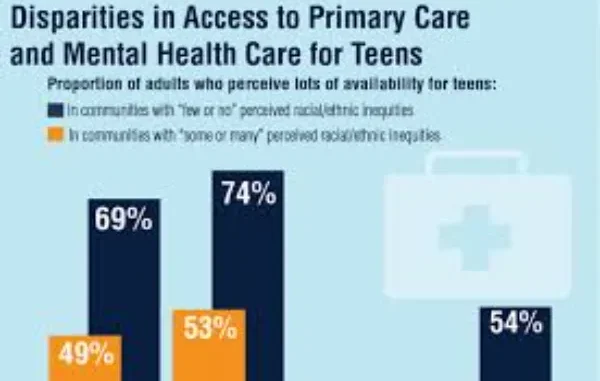

Adolescent mental health is widely recognized as a public health concern, yet access to care remains unequal due to policy gaps, limited funding, and provider shortages. Teens with anxiety, depression, and other mental health issues often experience delays in receiving care, which can worsen symptoms and hinder academic, social, and emotional development. Policy reforms that enhance support, increase funding, and strengthen service delivery are essential for timely intervention. Schools, clinics, and community programs can support teen anxiety treatment by providing structured, evidence-based care that fosters long-term resilience.
Barriers to Accessing Mental Health Care
Despite increased awareness of adolescent mental health, many teens still lack access to quality care when needed. Social, logistical, and policy barriers often delay treatment and may worsen symptoms.
Social and Cultural Stigma
Stigma often prevents teens and their families from seeking help. Fear of judgment, limited understanding of mental illness, or cultural beliefs that downplay emotional distress can delay early intervention, leaving conditions untreated for longer.
Geographic and Logistical Challenges
Access to mental health services is inconsistent. Rural areas often lack trained providers, while urban centers may have long wait times. Transportation challenges, limited clinic hours, and scheduling conflicts further hinder regular treatment for teens.
Policy Gaps Affecting Early Intervention
Restrictive policies can limit prevention and early intervention. Without timely school screening programs or adequate funding, many adolescents miss early assessment and treatment, increasing the risk of long-term mental health issues.
Strategies to Improve Access
Expanding adolescent mental health care requires collaboration among schools, communities, technology providers, and policymakers. Evidence-based approaches help ensure teens with anxiety and related issues receive timely, effective, and specialized support when needed.
School and Community Initiatives
Schools and community programs support early identification and intervention. Mental health education, regular screenings, and targeted support can detect anxiety and other issues before they escalate. Integrating anxiety treatment into school services increases accessibility, reduces stigma, and fosters peer connection.
Telehealth and Digital Platforms
Online platforms and telehealth provide flexible, remote options that address distance and scheduling challenges. Online therapy, counseling apps, and virtual support groups supplement in-person care, improving access to evidence-based help and extending the reach of mental health professionals.
Policy Recommendations
Effective policies are needed to ensure lasting access to care. Expanding insurance programs, investing more in adolescent mental health, and training more qualified specialists will help teens get high-quality, timely treatment. National systems that focus on prevention and early intervention can ensure every teen gets the services they need without unnecessary delays.
Conclusion
To enhance access to mental health care among adolescents, collaboration of efforts is needed at the school, community, technological, and policy levels. Through early interventions, increasing telehealth, and facilitating effective treatment of teen anxiety, we will be able to make sure that teens get evidence-based and timely care. The enhanced policies and resources strengthen adolescents, their families, and communities, enabling them to be proactive when mental health issues are concerned, promoting resilience and well-being in the long term.
Leave a Reply