
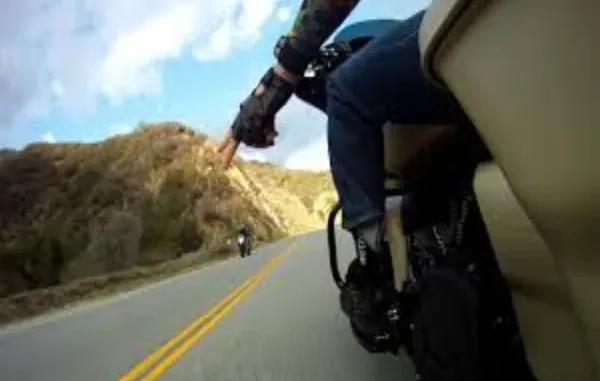
The motorcycle industry is having a moment. Sales are surging, dealerships are struggling to keep inventory on the shelves, and manufacturers are ramping up production just to keep pace. What is driving this aggressive demand, and what does it mean for riders, investors, and the broader transportation landscape?
Understanding The Market Demand For Motorcycles
The market demand for motorcycles has shifted in ways that few analysts predicted even five years ago. A combination of rising fuel prices, urban congestion, and a growing culture of experiential living has pushed two-wheelers from a niche enthusiasm into a mainstream conversation. More people are looking at motorcycles not just as a hobby, but as a practical, cost-effective solution to everyday transportation challenges.
This is not a regional story. The demand spike is showing up across North America, Europe, and especially in emerging markets throughout Southeast Asia and Latin America, where motorcycles have long been the backbone of personal mobility.
The Post-Pandemic Rider Boom
The pandemic quietly planted seeds for a motorcycle explosion. When gyms closed and group activities disappeared, outdoor recreation surged. People craved freedom and movement, and motorcycles delivered both. First-time riders flooded licensing programs in record numbers between 2020 and 2022, and a significant portion of those new riders stayed.
Dealerships reported waitlists that stretched months out. Used bike prices climbed dramatically. The ripple effects of that initial boom are still being felt today, as that new generation of riders continues to upgrade, customize, and invest in the lifestyle.
What Buyers Are Actually Looking For
Today’s motorcycle buyer is not a monolith. The market is being shaped by several distinct consumer groups with different priorities:
- Adventure and dual-sport riders want versatility, comfort on long hauls, and capability on unpaved terrain.
- Urban commuters are gravitating toward lightweight, fuel-efficient options that cut through city traffic without breaking the bank.
- Electric motorcycle adopters are growing in number as brands like Zero Motorcycles and Harley-Davidson’s LiveWire division continue refining their technology.
- Classic and retro enthusiasts are fueling demand for heritage-inspired designs that blend nostalgia with modern reliability.
Manufacturers who understand these distinct pockets of demand are winning. Those who are slow to adapt are quietly watching their market share slip away.
Supply Chain Pressures And Production Realities
Meeting this demand has not been easy. The global supply chain disruptions that rattled nearly every industry hit motorcycle manufacturing hard. Semiconductor shortages, shipping delays, and raw material costs created a challenging environment for brands trying to scale. Even giants like Honda and Yamaha faced production slowdowns, leaving consumers waiting longer than expected.
The good news is that conditions are improving. Many manufacturers have diversified their supplier networks and are investing in regional production facilities to reduce vulnerability. The industry is learning to build more resilience into its operations.
Where The Road Goes From Here
The trajectory looks strong. Analysts project continued growth in global motorcycle sales through the remainder of the decade, with electric models poised to capture an increasingly significant share. Infrastructure investment, evolving consumer attitudes toward sustainability, and the sheer affordability of motorcycles compared to automobiles all point in the same direction.
The wave is real. Riders, manufacturers, and investors who understand its depth are positioning themselves well. Those who underestimate it may find themselves watching the momentum pass from the sidelines.
Leave a Reply