
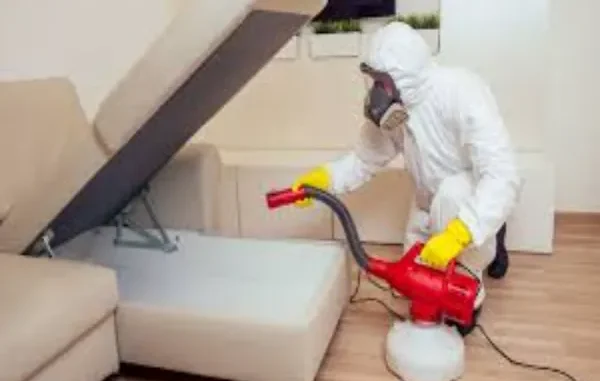
Subtle signs such as faint clicking sounds, blistered paint, or dust around wooden objects may seem inconsequential, but these factors may be signs of termites that are eventually growing within the structural components.
Most of the property owners learn the problem after the floors become weak, doors become misaligned, or repair costs rise, which disrupts both safety planning and routine maintenance.
These concealed dangers cannot be detected by regular cleaning or eye inspection due to the fact that termites remain active behind the walls and under the floors. It is in this case that the services of a professional termite control business are considered necessary, as these are specifically aimed at the detection, structural protection, and long-term monitoring.
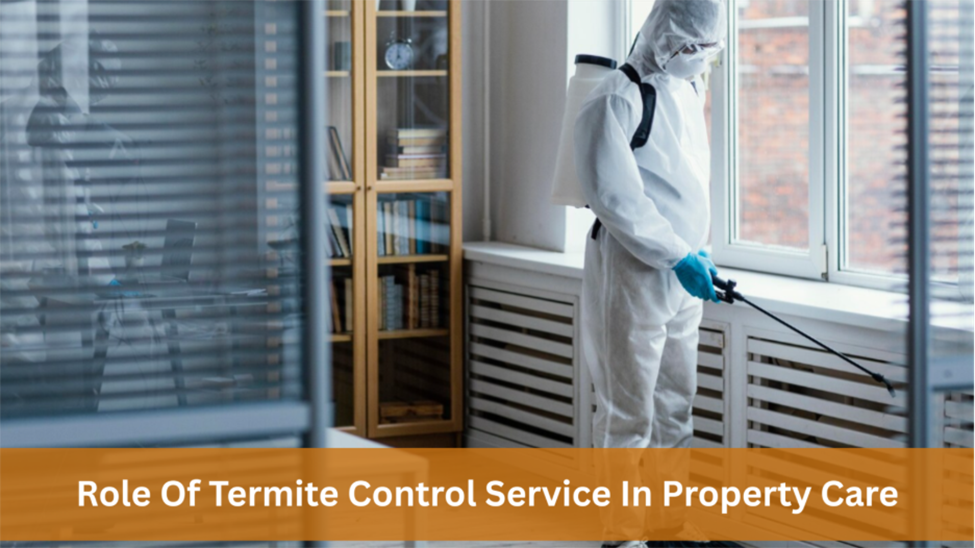
This article discusses the role of a termite control service to directly address property maintenance in terms of inspection, target treatment, moisture regulation, and regular structural protection.
1. Proactive Inspection Impact

Professional termite control service plays a central role in property care because it helps to identify concealed activity before damage occurs. Extensive checks are conducted on foundations, crawl spaces, wooden fittings, and moisture-prone areas that are often overlooked during routine maintenance.
Early signs such as mud tunnels, hollow wood sections, and minor surface distortions are revealed in this systematic evaluation. As a result, you get the correct idea about the structural condition without relying on guesswork.
Early detection of the existence of colonies eliminates their spread into load-bearing parts and minimizes the requirement for a massive restoration. Regular inspections eventually develop a preventive system that ensures safety in terms of stability and maintenance cost.
2. Structural Strength Preservation
Wooden structures are compromised by termites, which means the damage may take time before it becomes noticeable in doors, flooring, or support beams. When the infestation creates a problem in these areas, there is a reduction in structural reliability as well as the complexity of repairs.
Thus, to maintain strength, more than a superficial treatment is necessary. Professional intervention focuses on soil barriers, entry point sealing, and targeted wood application that blocks termite movement between the ground and the structure.
Moreover, the construction aspects like foundation gaps and wood-to-soil contacts are also corrected to eliminate access routes. This combined system keeps the main components of the building durable and reduces the risk of gradual structural deterioration over time.
3. Treatment Strategy Planning
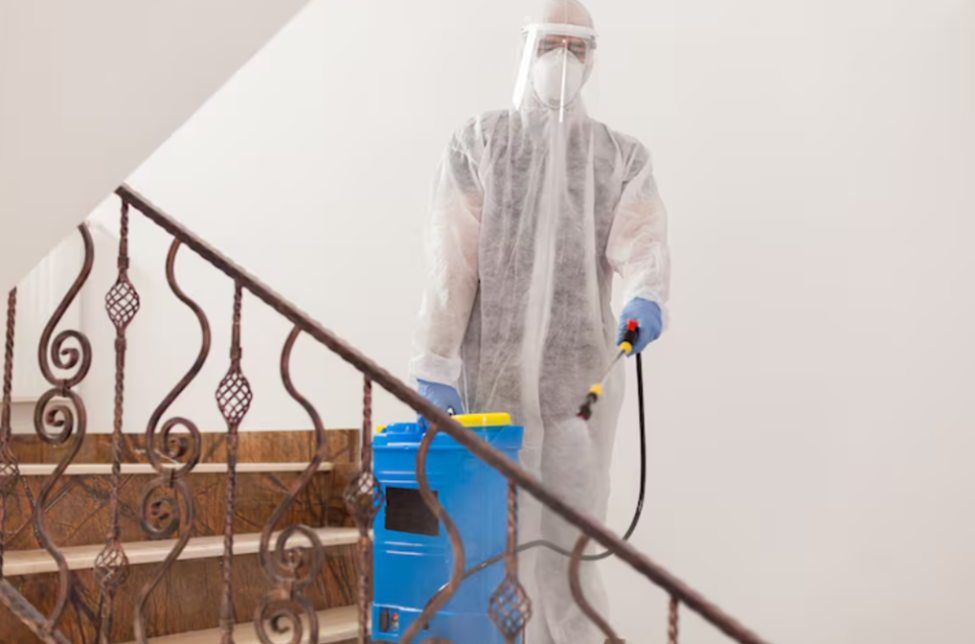
Each property has its own design, landscape, and moisture conditions, and therefore, treatment methods have to correspond with conditions. Liquid barriers protect perimeter zones, creating an extended shield that blocks subterranean movement.
Baiting systems, on the other hand, eliminate the colonies gradually by targeting worker termites and disrupting population increase. The combination of these approaches offers immediate protection as well as sustained control.
Localized reinforcement is provided to the high-risk areas, like storage spaces and basements, to prevent recurring activity. Because treatment plans are customized, they address current infestation levels while preparing the structure to withstand future environmental changes.
4. Moisture Condition Management
Moist climates favor termites and speed up the degradation of wood, and hence, the control of moisture is critical in protecting properties. Leakages in plumbing, lack of ventilation, and drainage usually result in favorable conditions around foundations and interior wooden components.
Even the landscaping decisions that trap water against walls are more susceptible. Professional testing helps to determine these causes and prescribe a remedial measure, such as improved airflow or drainage changes, and early repairs.
When moisture levels remain controlled, termite activity becomes less sustainable. Consequently, wooden components stay dry and resistant, which enhances structural durability and reduces the likelihood of recurring infestation.
5. Financial Risk Control
Unexpected structural repairs impose serious financial strain on maintenance expenses since termite destruction often affects multiple building components simultaneously.
Changing beams, flooring, and wall supports need labor, materials, and even temporary relocation.
Prevention management, on the other hand, diversifies the cost into scheduled checks and specific treatment. This is a predictable strategy that enhances financial planning and ensures the value of property is preserved in the long run.
Frequent checks minimize the risk of emergency restoration and help in insurance considerations, demonstrating the regular maintenance. In addition, pest management records that are well-documented enhance resale value since structural reliability is assured.
In this way, termite control becomes part of long-term asset protection rather than an isolated maintenance expense.
6. Continuous Monitoring Framework
Termite activity changes over time due to seasonal moisture, landscaping adjustments, and nearby construction activity. A termite control service establishes routine follow-up inspections that reassess treated zones, evaluate bait systems, and identify new moisture concerns.
This ongoing monitoring ensures protective barriers remain effective and responsive to environmental changes. When early signs of activity appear, corrective measures are applied before structural damage develops.
Regular evaluation also reveals emerging vulnerabilities such as foundation gaps or drainage issues that may increase risk. Through consistent oversight, termite management becomes an integrated part of property care, supporting long-term structural stability and reducing the likelihood of recurring infestation.
Conclusion
Effective termite management strengthens property care by connecting inspection, treatment, moisture control, and continuous monitoring into one structured process. Early detection prevents hidden colonies from reaching critical structural areas, while customized treatments block entry and eliminate active populations.
Moisture regulation further reduces conditions that support infestation, which preserves wood integrity and building durability. Financial planning also improves because preventive measures replace unexpected repair costs with predictable maintenance.
Regular monitoring ensures protection remains effective as environmental conditions change. When termite control becomes part of a routine property strategy, it safeguards structural reliability, stabilizes long-term expenses, and protects overall investment value.
Leave a Reply