
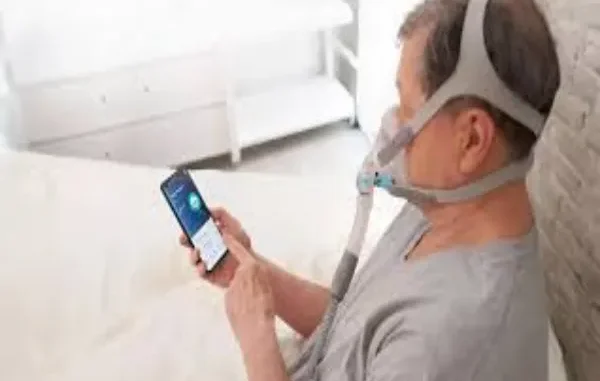
Imagine diving into a world where managing your sleep apnea doesn’t mean endless doctor visits or clunky paperwork. That’s the vibe with digital health crashing into sleep therapy, especially for CPAP users like you. These days, apps, wearables, and online platforms are transforming how you get diagnosed, treated, and supported. It’s not just tech gadgets; direct-to-consumer (DTC) CPAP platforms are shaking things up, letting you skip the middleman and grab machines, masks, and even virtual consultations right from your phone. This shift isn’t happening in a vacuum, though; policies are evolving fast to keep pace, impacting everything from accessibility to safety.
The Rise of DTC CPAP Platforms
You’ve probably scrolled past ads for YourCPAPShop.com, where you can order a CPAP machine after a quick online quiz or home sleep test. These DTC models cut out traditional healthcare hurdles, making therapy more straightforward for you. No more waiting months for a specialist appointment; you answer some questions, maybe do an at-home study, and boom, your device ships. This boom accelerated around 2020, with telehealth surges during the pandemic, but by 2026, it’s a full-on revolution. Digital tools integrate with your CPAP, tracking usage via apps that sync data to your doctor or even AI coaches that tweak settings remotely. It’s convenient, sure, but the real game-changer is how these platforms are forcing policymakers to rethink old rules.
Policy Shifts: Opening Doors or Raising Red Flags?
In the US, the FDA has been pivotal, classifying many DTC sleep tests as low-risk devices, which means less red tape for companies to sell them directly to you. Back in 2023, updates to the FDA’s digital health policies streamlined approvals for software that monitors sleep data, paving the way for apps that analyze your CPAP metrics in real-time. Here’s where it gets interesting: Medicare and insurance policies are catching up. By 2025, CMS (Centers for Medicare & Medicaid Services) will expand coverage for telehealth sleep consultations, allowing you to qualify for reimbursements for DTC-purchased CPAPs when prescribed virtually.
This isn’t all smooth sailing, though. States are cracking down on what counts as a valid prescription; some require in-person evals to prevent misuse, like you buying a machine without a proper diagnosis. The 2024 Telehealth Modernization Act pushed for nationwide standards, but it has created a patchwork of standards. For you, that might mean easier access in your state but stricter rules if you’re traveling. On the flip side, HIPAA privacy policies have tightened for digital platforms, ensuring that your sleep data isn’t sold without your consent. Europe’s GDPR-inspired regulations are influencing US platforms too, mandating transparent data use that protects you from targeted ads based on your snoring patterns.
Benefits for You: Empowerment in Your Hands
Think about it; you’re no longer passive in your treatment. DTC platforms provide education tools, such as interactive apps that explain why your AHI score matters or how to clean your mask correctly. Policy impacts here are huge: incentives from the Affordable Care Act’s wellness programs now reward you for consistent CPAP use tracked digitally, potentially lowering your premiums, and subsidies for low-income users have expanded, making high-tech CPAPs affordable via DTC channels. You’re seeing real wins, like reduced wait times and personalized therapy that fits your lifestyle, all backed by policies promoting innovation.
Challenges: Navigating the Bumps
Of course, not everything’s perfect. Critics argue that DTC skips crucial oversight, risking misdiagnosis when you self-select a device. Policies are responding; the FDA’s 2025 guidance requires more transparent labeling on DTC sites, with warnings about when to see a doc. Insurance pushback is another hurdle: some providers won’t cover DTC purchases without traditional referrals, forcing you to pay out of pocket. Let’s not ignore equity issues: rural areas or folks without reliable internet might miss out, prompting calls for broadband policies tied to health tech. You’re in a spot where convenience clashes with caution, but evolving regulations aim to balance the two.
As digital health fuses with sleep therapy, you’re stepping into an era where CPAP isn’t a burden but a seamless part of life. DTC platforms, fueled by policy tweaks, are democratizing access, though they bring debates on safety and fairness. Stay informed; check your state’s rules, chat with your doctor, and embrace the tools that work for you. This new wave could mean fewer sleepless nights and more energized days. Here’s to breathing easier in 2026 and beyond.
Leave a Reply