
A small workshop takes on a custom acrylic order—just a few pieces at first.
The work feels manageable. Designs are prepared, engraving is completed, and the results look acceptable. There’s no pressure to optimize anything because the volume is low.
Then the next order comes in. And another.
At some point, the same approach that worked for a few pieces starts taking longer than expected. Not because the process fails, but because each additional piece quietly adds more effort.
That’s where the real question appears—not how to engrave, but why scaling doesn’t feel natural.
Where Small Workshops Start Losing Time
At a small scale, treating each piece individually works.
A minor adjustment here, a quick check there—nothing feels inefficient. The process adapts to each item, and the results are acceptable.
But once volume increases, this approach begins to show its limits.
Each piece requires attention. Each variation needs to be handled. The time spent per item doesn’t decrease—it grows.
This is where many workshops get stuck. They produce more, but they don’t move faster.
Why Acrylic Makes Scaling More Sensitive
Not all materials expose this issue equally.
Acrylic brings it forward more quickly because the final result depends on how light interacts with the engraved surface. A design that looks right on one piece can appear slightly different when repeated across several.
That difference forces extra checks.
And those checks take time.
For businesses working with laser engraving acrylic, this is often the point where scaling begins to feel harder instead of easier.
The Cost That Doesn’t Show Up on Paper
The problem is not always visible in direct costs.
It appears in how long each order takes to complete.
A few extra seconds per piece become minutes across a batch. Those minutes turn into longer delivery times. Over time, they limit how many orders can be handled.
This is where the real constraint emerges—not in production capacity, but in how much time is required to maintain the same level of output.
Why Treating Each Piece Separately Stops Working
At a certain point, the issue becomes clear.
The process resets for every piece.
Even when using the same file, the same approach doesn’t carry forward cleanly. Each item feels like it needs to be handled as its own case.
This is what prevents scaling.
Because scaling is not about producing more—it’s about producing more without increasing the effort required for each item.
Where the Shift Begins
The turning point comes when workshops stop focusing on individual results and start looking at how the process behaves across multiple pieces.
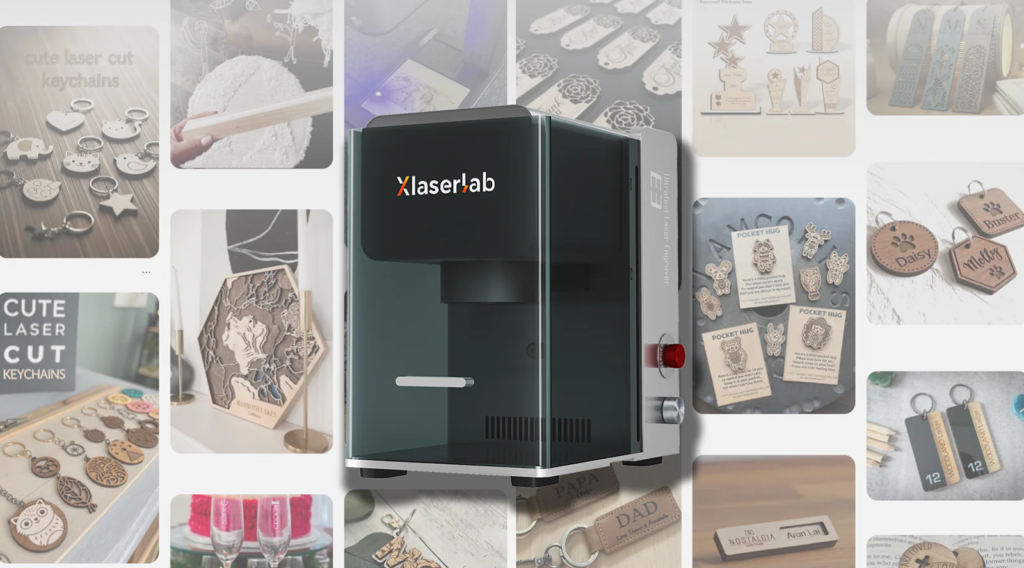
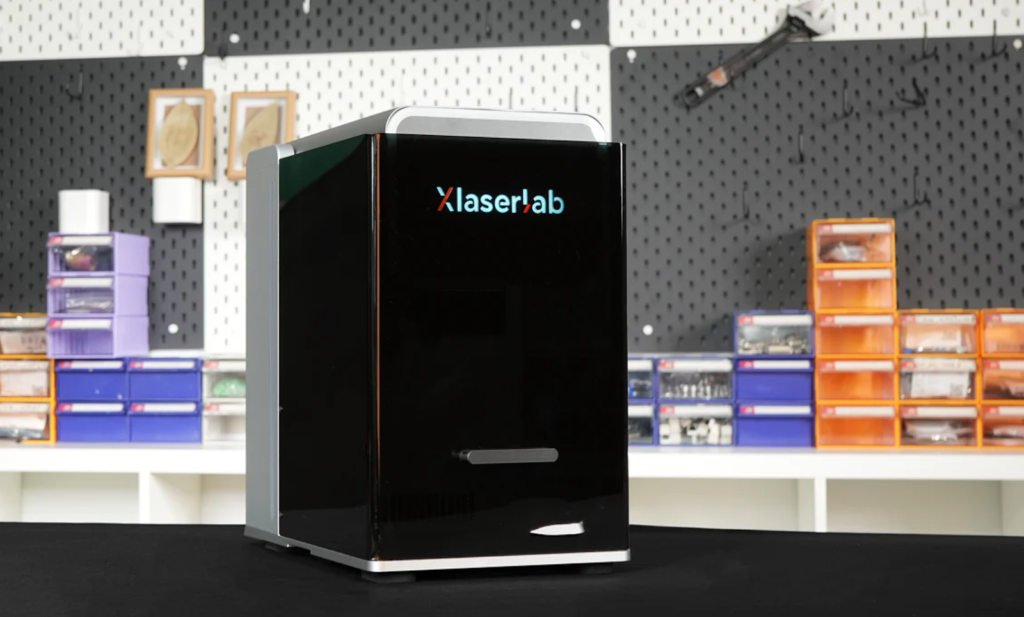
This is also the stage where some workshops begin introducing more controlled setups, using systems like the Xlaserlab E3 to reduce how often each piece needs to be handled individually.
Instead of restarting the approach for every item, the same setup can carry across a batch. The work no longer expands in effort as quickly as it expands in volume.
From Reactive Work to Structured Output
Once that shift happens, the workflow changes.
Work is no longer driven by constant adjustments. Instead, it follows a more predictable pattern from one piece to the next.
This doesn’t remove all variation, but it reduces how often it needs to be managed.
For workshops, this is the difference between reacting to problems and working through them without interruption.
Why This Defines Digital Manufacturing
Digital manufacturing is often described in terms of technology.
In practice, it’s defined by how work scales.
If each additional piece requires the same level of attention, growth slows down. If the process carries forward, production expands more naturally.
This is where the concept of profit changes.
It’s no longer tied only to output volume, but to how efficiently that output is produced.
What This Means for Acrylic-Based Businesses
For businesses built around laser engraving perspex, this shift is especially important.
Acrylic products are often produced in batches—signage, displays, custom panels. Demand can increase quickly, but only if the process supports that increase.
When the process carries forward, production grows. When it doesn’t, the workload increases without improving output.
Conclusion
The path from small workshop to scaled production is not defined by size—it’s defined by how the process behaves under repetition.
In acrylic engraving, the difference between limited growth and scalable production comes down to whether the same approach can be applied across multiple pieces without adding extra effort each time.
And in digital manufacturing, that difference is what ultimately determines whether a business can grow without being held back by its own workflow.
Leave a Reply