
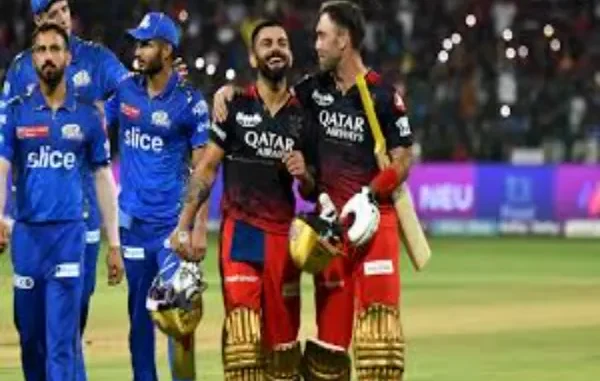
In many countries, cricket operates as more than entertainment. It functions like a shared cultural shorthand, carrying national pride, rivalry, history, and familiar reference points that pull different communities into the same conversation. At the same time, the sport has grown into a major industry powered by broadcast rights, sponsorships, stadium operations, and digital platforms that support a wide network of jobs far beyond the players on the field. Modern match culture has also added new second-screen behaviors, including live cricket betting, which influences how some fans follow momentum and how policymakers think about regulation. Seen through both lenses, cricket shapes public identity while converting attention into revenue, employment, and debate.
Cricket as a national mirror: belonging, pride, and public mood
Cricket can distill a nation’s essence into several hours of collective focus. Game-day discussions foster a rare unity in today’s fragmented media landscape. Strangers can connect through pivotal moments, arguments about team choices, and the emotional highs and lows of a tense pursuit.
Expatriate groups frequently feel this connection even more deeply. A game serves as a bridge to preserve heritage over distances, particularly as languages, cuisines, and traditions adapt in foreign lands. Cricket provides a reliable framework for identity, energizing social hubs via viewing events, online discussions, and neighborhood leagues.
Contemporary fan engagement now features multi-screen habits that alter real-time experiences. In various regions, instant betting on cricket runs parallel to updates and clips, making game alerts into ongoing cues that affect how enthusiasts perceive uncertainty, flow, and tension. This evolution has social implications by reshaping focus patterns. It also has political relevance, drawing in oversight on promotions, guidelines, and user safeguards into the game-day discourse.
The cricket economy: jobs, rights, and the business ecosystem
Cricket’s commercial aspect begins with audience capture and culminates in an interconnected network. TV contracts and sponsor agreements form the core funding, but funds circulate widely. They support entities that produce what fans enjoy: a viable calendar, secure facilities, engaging coverage, and interactive apps that sustain interest during off-seasons.
The most significant financial effects often emerge in the supporting tiers beyond one match. Events generate needs for workers, materials, and sales that aid big firms and local entrepreneurs alike. As competitions grow, this need stabilizes, drawing capital and promoting sustained strategies.
Cricket’s economic footprint typically includes several interlocking segments
- Media production and distribution, including rights packaging and platform delivery.
- Venue operations, staffing, security, transport coordination, and event logistics.
- Sponsorship, brand partnerships, merchandising, and licensed products.
- Hospitality and local services, from food vendors to accommodation networks.
- Digital creators, analysts, data services, and social media operations.
- Community cricket programs that develop talent and maintain participation pipelines.
This structure is important because it explains why cricket can influence regional economies even when ticket prices alone do not look transformative. The match becomes a trigger for spending across multiple sectors at once.
Cities and tourism: what major matches do to local spending
When a big game arrives in a town, the effects show up quickly. Lodgings book up. Travel usage surges. Eateries increase personnel. Short-term jobs open, and nearby sellers tap into heavy crowds. This proves vital for modest enterprises relying on peak periods to lift earnings.
Facility upgrades may endure past the series. Arena areas commonly need enhancements for visitor movement, safety scans, and transit setups. Simple improvements, such as enhanced illumination, clearer directions, and efficient access points, can elevate communal spaces outside of cricket.
Regional markets gain the most from inclusive event strategies. This involves seller opportunities, equitable permits, and scheduling that disperses attendees through districts instead of confining them. Locations that harmonize visitor boosts with resident priorities usually secure the best image boost, key for securing upcoming hosting rights.
Politics, regulation, and public debate around the sport
Cricket lies at the heart of policy talks due to its cultural strength and monetary worth. Administrative issues might cover fair timetables, leadership openness, player picks, game honesty, and equilibrium between local play and profitable tournaments. Such talks heighten when finances outpace oversight mechanisms.
Safety and audience handling likewise inform governmental choices. Prominent fixtures demand teamwork among offices, site crews, and mobility officials. If coordination slips, it turns into a widespread narrative, not an internal glitch. This exposure compels authorities to engage more, despite the game’s autonomous management.
Promotions tied to wagering introduce further scrutiny. Overseers frequently weigh income against welfare issues, especially concerning young audiences and focused campaigns. The rise of web-based systems complicates compliance, as commercials and linked materials cross frontiers quicker than regional policies adjust.
Why cricket still sets the national tempo
Cricket’s path ahead will probably depend on how engagement is formatted and how ethically the sector expands. Quick clips, influencer trends, and real-time stats have reshaped consumption, notably on mobiles. This change opens fresh income streams, yet it prompts concerns over clarity, viewer protections, and the motivations embedded in game experiences.
Female cricket and new regions offer huge expansion potential. Growth can yield fresh roles, viewers, and a wider athletic framework, particularly if funding bolsters grassroots routes over elite occasions alone.
Cricket stays impactful as it functions on dual planes. It supplies identity, connection, and communal instances that mold societal vibes. It also provides a vast financial network that bolsters work, content advances, and urban-level happenings. Recognizing both aspects clarifies why cricket exceeds mere fun – it’s a societal powerhouse with tangible heritage value and quantifiable financial outcomes.
Leave a Reply