
International school families in Singapore often review exam outcomes with both hope and careful thought. These results can guide college plans while still allowing space for many routes. Let us look at how these scores shape next steps and what they may suggest for future study.
Colleges across many regions carefully read school reports and exam data. They use this information to see how a learner meets academic aims across subjects. The second line under this section notes that IGCSE results give one part of that picture for many schools and boards. They show how a learner handles a range of core and elective subjects. A strong set of grades may help improve chances at a wider group of colleges. Yet a modest set can still aid to a good match when paired with other factors.
Subject range and academic depth
A broad subject mix often draws notice from college teams. Maths, sciences, languages, and arts each show varied skill areas across different forms of assessment. This mix hints at how a student meets course demands over time and adapts to varied learning styles. It also helps gauge interest, focus, and academic balance.
Depth within subjects also matters for some colleges. Advanced-level work in science or humanities can signal readiness for higher study and structured coursework. Teachers often guide choices to suit strengths and long-term academic aims. Such advice may help improve outcomes without undue stress.
Score Patterns and Grade Context
Colleges do not only check top marks but also the pattern across years. A steady rise may point to good study habits and effort. A dip in one area can still sit well if other subjects hold firm. This view offers balance in the review.
How grade trends shape offers
Trend data often sits beside final grades during offer reviews. A clear rise across terms may help with trust in future work. Schools provide context for any changes in performance. This shared view aids in forming fair and calm choices.
Role of School Reports and Teacher Notes
Formal exams do not stand alone in college checks. Teacher notes give details on class work, effort, and conduct across different subjects. These notes show how a learner meets tasks over a full school term. They also point to study skills, group work, and the ability to meet deadlines with care.
Reports from schools in Singapore often follow clear standards. This consistency helps colleges compare students from many systems. It may help improve clarity for admission teams. Such records sit with exam grades for a full picture.
Regional and Global College Views
Universities in the UK, US, and Asia use exam data in different ways. Some set firm grade needs while others take a broad view of academic records and school reports. This mix of methods reflects how each system values exams, coursework, and teacher input. Local schools share guidance to match each region, which helps with smart course picks.
A Singapore-based student may apply to many areas at once. Each area may read grades with its own rules and offer formats. School counsellors give notes on these differences so forms and score reports meet each requirement. This support aids in avoiding errors during form fill and delays in review.
IB Diploma Weight in Offers
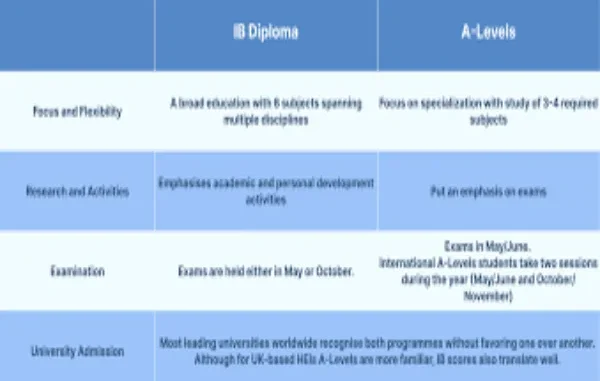
An IB result holds strong value for many global universities. It shows work across six subjects plus core tasks. Colleges read it as proof of broad and deep study. This may help improve trust in academic skills.
Predicted and final scores both have roles. Predicted grades guide early offers while final ones confirm entry. A close match between the two builds confidence. Schools aim to keep these estimates clear and fair.
How Families can Read Outcome Data
Families often wish to know what the numbers truly show. Clear charts from schools help break down grades by subject. This view helps to see strengths and areas for extra focus. It also sets a base for talking with teachers.
Key features:
- Grade bands show relative position within a cohort
- Subject averages give context for each mark
- Trend lines reveal change across terms
- Teacher notes add detail
Many families see how IGCSE results fit into a wider set of college review tools. These scores sit beside school reports, coursework, and teacher views for a fair look. Such a mix may help improve clarity when offers arrive. With careful reading of all data, each learner can move toward a study path that suits goals and ability.
Leave a Reply