
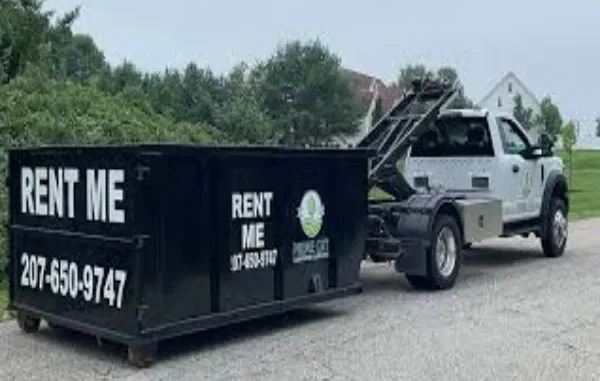
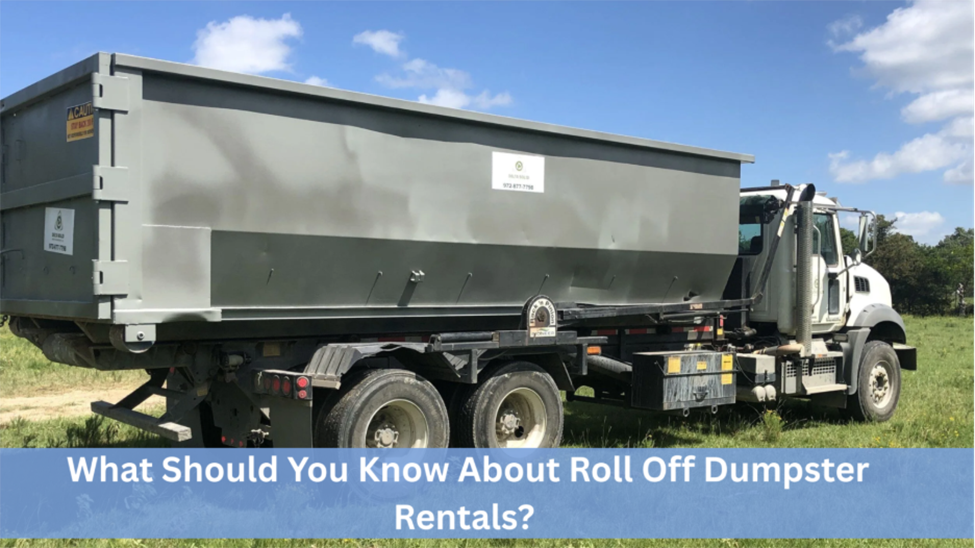
Waste management during renovation, cleanout, or a construction project can become stressful much sooner than one may anticipate. Debris accumulates quickly, available space shrinks, and frequent visits to dumping places consume time and energy.
Besides that, vague regulations regarding the disposal of waste may cause delays or extra expenses that complicate your project schedule and workflow. These challenges tend to emerge when decisions are rushed or made using minimal information.
Luckily, roll off dumpster rentals provide an orderly means of keeping waste in check without interrupting the smooth running of the project. This article describes some important points you ought to be aware of regarding roll off dumpster rentals, in order to make better plans and avoid common setbacks.
1. Estimating Waste Output Before Rental Decisions

When planning a rental, it is beneficial to consider the volume of waste expected so that there are no problems later on the project. Various tasks generate different types of debris, which implies that volume and weight may differ greatly even in short timelines.
For instance, a renovation process often generates heavy, compact materials, whereas cleanouts include larger pieces that occupy space more rapidly. Selecting a roll off dumpster by real estimates ensures that waste is contained without overflow.
Underestimation of volume disrupts progress due to additional hauls, whereas excessive volume estimates cause unnecessary costs. Proper evaluation can enable disposal planning to support productivity, and not be an additional challenge.
2. Selecting Container Sizes That Match Project Scope
The choice of the container size has a direct impact on the efficiency and cost management of a project. Roll off dumpsters come in various sizes that can carry a specific amount of waste and material types.
Smaller containers are effective in small-scale cleanups, whereas large containers are effective in construction or remodeling waste. Nevertheless, size is not the ultimate criterion of suitability, as weight limits should be considered as well.
Selecting a container that is small leads to delays when it is overfilled, and oversized containers will only consume space without being of practical use. Matching the container size to the project scope ensures an easier container loading process, fewer changes, and consistent waste clearance throughout the project.
3. Planning Placement Without Disrupting Operations
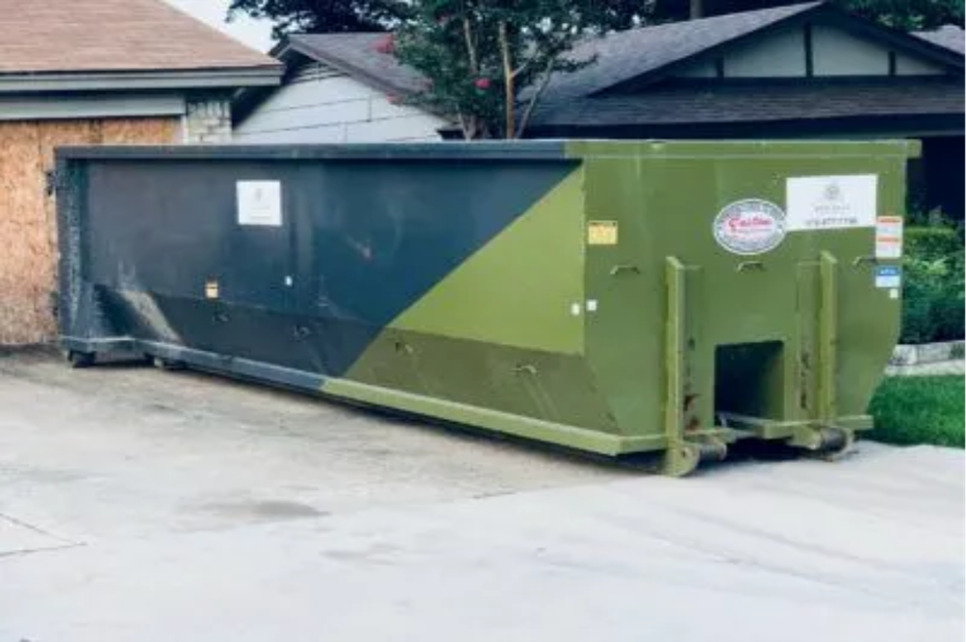
Location has a direct impact on accessibility, safety, and compliance. Roll off dumpsters require flat surfaces that are capable of taking substantial weights without ruining surfaces.
Driveways, paved areas, or designated work zones usually provide the stable surfaces needed for safe dumpster placement. Nonetheless, workflow should also be considered in terms of placement decisions.
Due to easy access, it is possible to maintain an orderly and clean working environment by ensuring that waste is disposed of regularly. Local laws in certain places might mandate the issuance of permits in the case that any container is placed on a publicly owned spot.
These needs need to be tackled at the earliest stage to avoid delays or relocation. Through mindful planning of placement, waste disposal becomes a part of the daily operation instead of an impeding factor.
4. Managing Rental Timelines with Project Flow
Rental duration has an impact on cost and productivity. The standard rental periods are usually defined in terms of days, and this is appropriate in structured projects. Nevertheless, some unexpected delays may happen because of weather, labor changes, or shortages of materials.
Knowing about extension opportunities enables you to adapt without any stress. Early scheduling of the delivery and pickup prevents wastage of time and unnecessary expenses.
In cases where rent schedules coincide with the project schedule, waste disposal enhances continuity rather than reducing it. Active scheduling communication guarantees that dumpsters are available when required and removed promptly once tasks conclude.
5. Knowing Disposal Limits and Material Guidelines
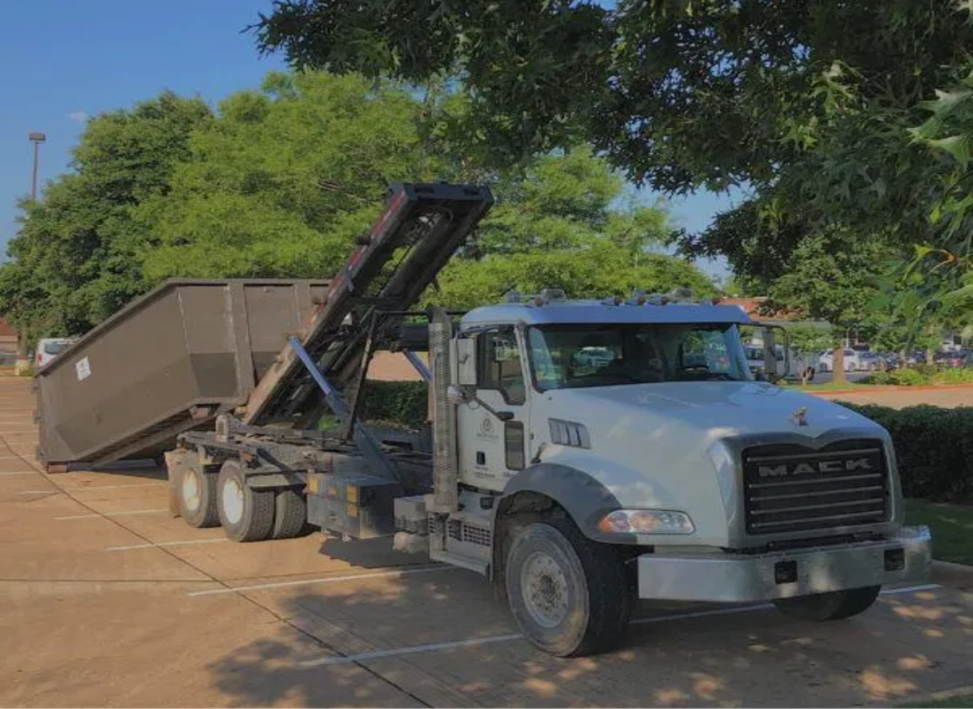
Material guidelines are also very important in ensuring that waste disposal is efficient and compliant. Roll off dumpsters are designed for common debris such as wood, drywall, concrete, and general household waste, but certain items require special handling.
Hazardous materials, including chemicals, oils, batteries, and some electronics, are typically restricted due to safety and environmental concerns. Placing prohibited items in a dumpster can lead to additional fees, service delays, or disposal rejection.
To avoid these issues, separating restricted materials as work progresses helps maintain order and efficiency. This approach also reduces the need for last-minute sorting.
By understanding disposal limits in advance, you maintain steady progress while ensuring waste handling remains responsible and within accepted guidelines.
6. Controlling Costs Through Smart Scheduling and Loading
Cost control depends largely on planning rather than last-minute adjustments. Rental pricing usually reflects container size, weight limits, rental duration, and the type of debris disposed of during the project.
While flat-rate pricing may cover standard usage, exceeding weight or time limits often results in additional charges. Scheduling pickup shortly after project completion helps avoid unnecessary extensions.
In addition, distributing materials evenly inside the container improves hauling efficiency and reduces the risk of exceeding limits. Consistent loading throughout the project also prevents sudden overfill issues.
When scheduling and loading are managed thoughtfully, waste disposal costs remain predictable and easier to manage without compromising workflow.
Conclusion
Roll off dumpster rentals provide a structured solution for handling waste during projects that generate more debris than standard disposal can manage. When you accurately assess waste volume, choose appropriate container sizes, and plan placement carefully, waste removal becomes more efficient.
Awareness of rental timelines, material guidelines, and cost factors further strengthens decision-making. By approaching dumpster rentals as part of the project plan rather than a last-minute task, you maintain momentum, protect your workspace, and complete work with fewer disruptions and unexpected expenses.
Leave a Reply