
A properly designed landscape is able to change the entire appearance and feeling of your property. However, the process of finding the right professionals to handle the work is often more difficult than expected. Many property owners experience poor, inconsistent service, questionable project timelines, or landscaping designs that do not match their vision. In some cases, poor planning may result in drainage problems, unhealthy plants, or outdoor spaces that will require constant maintenance.
Because landscaping constitutes the physical appearance, along with functionality, of your outdoors, selecting the appropriate service provider is an important choice. A carefully selected team can help transform your yard into a balanced, functional, and aesthetically pleasing environment.
This article covers some of the most important considerations you need to make when selecting a landscaping company so you can make an assured and informed choice.
1. Experience and Local Landscaping Knowledge
When assessing a landscaping services company, experience should always be one of the first things you look at. Landscaping is much more than planting flowers or putting up decorative elements. Instead, it requires an understanding of soil conditions, drainage patterns, plant compatibility, and seasonal changes.
An experienced team is aware of how these elements work together in order to form a stable and visually balanced outdoor environment. As a result, they can suggest designs that are aesthetically pleasing as well as healthy and manageable over time.
Local expertise also plays an important part. Different regions have different climate conditions, soil types, and growing seasons. A knowledgeable landscaping provider knows which plants grow in the local environment as well as the design choices that will withstand seasonal changes.
In addition, experienced professionals can anticipate issues before they become expensive problems. For example, they can identify drainage concerns, uneven grading, or the lack of sunlight during the planning stage. Addressing these challenges during the initial stages ensures that the final landscape performs well long after the project is complete.
2. Range of Landscaping Services Offered
Another important consideration is the variety of services offered by the company. Landscaping projects typically have several components, and selecting an organization that provides a wide range of solutions can make the project easier.
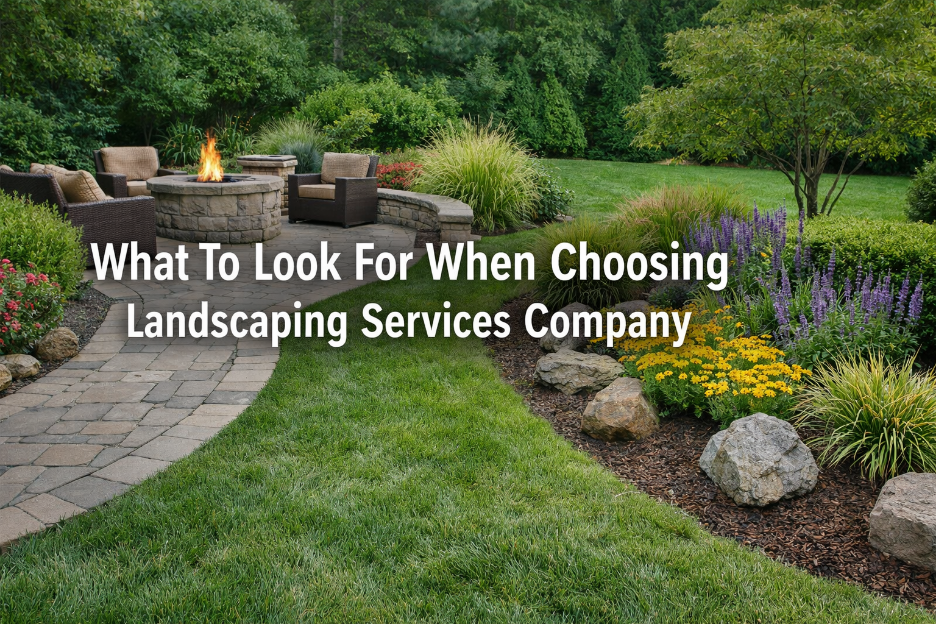
For example, landscaping can contain both softscaping and hardscaping elements. Softscaping is concerned with natural elements like plants, trees, shrubs, and garden beds. On the other hand, hardscaping involves structural elements, such as patios, walkways, retaining walls, and decorative stone installations.
A company that performs both services can create outdoor spaces that combine both natural beauty and functionality. As a result, the whole property will appear cohesive rather than disconnected.
In addition, supporting projects such as grading, drainage adjustments, and soil preparation are sometimes required in landscaping projects. These technical details might not be visible once the project is complete, but they are the key to long-term stability.
Therefore, selecting a company that is able to handle various aspects of landscaping ensures that each element of the project works together effectively.
3. Custom Design and Planning Approach
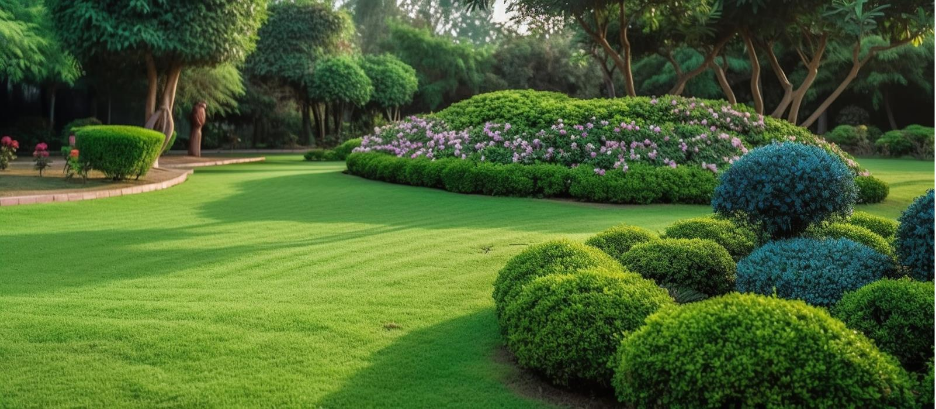
Landscaping should never occur using a one-size-fits-all approach. Every property has distinct characteristics such as layout, sunlight exposure, soil correlation, and architectural style. Because of this, professional landscaping starts with proper planning and design.
A good landscaping service provider spends the time assessing your property before giving you suggestions. During the planning stage, they take certain factors into consideration, such as the existing terrain, drainage patterns, and how the space would be used.
For instance, a homeowner may need a relaxing outdoor retreat, while another homeowner needs a space to function for entertaining guests. Understanding these goals enables the landscaping team to create outdoor areas that align with the intended goal.
In addition, customized planning ensures the final design complements the surrounding environment. Plant selections, garden placement, and hardscape features should all come together to create a balanced outdoor space.
This amount of planning also helps to prevent later costly adjustments. When designs are carefully developed at the beginning, the installation process becomes smoother and more efficient.
4. Quality of Materials and Plant Selection
The long-term success of any landscaping project depends heavily on the materials used. While design plays an important role, the durability and health of the landscape largely rely on the quality of plants, soil, and structural materials.
High-quality plants are typically chosen based on their compatibility with the local climate and soil conditions. Selecting plants that naturally thrive in the area reduces maintenance requirements and improves long-term growth.
Additionally, materials used in hardscaping—such as stone, pavers, and retaining wall blocks—should be durable enough to withstand weather exposure and daily use. Inferior materials may deteriorate quickly, leading to repairs or replacements sooner than expected.
A professional landscaping company prioritizes materials that offer both strength and aesthetic appeal. By doing so, they ensure that patios, walkways, and garden features remain attractive for years.
Moreover, quality materials contribute to a more polished final result. When each element is carefully selected, the entire landscape appears cohesive and well-crafted.
Conclusion
Choosing the right landscaping company requires more than comparing prices or reviewing a few photos of previous work. Instead, it involves evaluating experience, service range, design expertise, material quality, and technical capabilities such as drainage planning.
When these elements are carefully considered, the result is a landscape that balances beauty, functionality, and durability. Thoughtful design and proper installation ensure that outdoor spaces remain enjoyable for years.
Ultimately, the right landscaping professionals help transform an ordinary yard into a well-structured environment that enhances the value and usability of your property.
Leave a Reply