
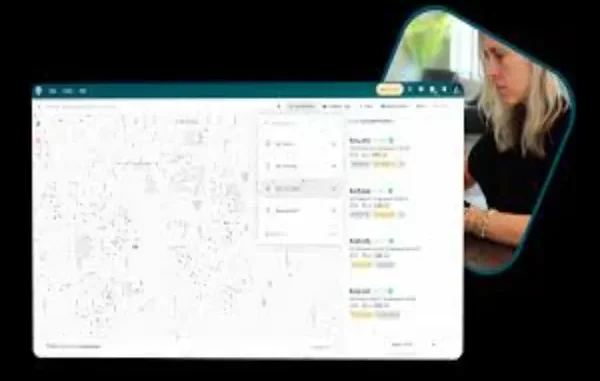
Real estate investing can feel overwhelming. You are pulling lists, calling sellers, sending follow-ups, and trying to close deals at the same time. Without a reliable process, it is easy to lose track of leads and miss profitable opportunities. That is why many investors start by reading a PropStream Review to understand how data-driven tools can support their lead generation and deal flow.
A real estate lead machine is not about working harder. It is about building a repeatable system that works every day. The best investors follow a simple structure that keeps everything organized:
Data → List → Outreach → Deal
In this guide, you will learn how to build a lead machine the right way. You will also see how a real estate CRM helps investors save time, close more deals, and scale faster. Let’s get started!
Start With the Right Data
Every real estate deal starts with data. Without the right data, you waste time calling the wrong people or chasing leads that will never sell.
Good lead data helps you target motivated sellers. It gives you a clearer path to real conversations and real opportunities.
Here are some of the best lead types to start with:
- Vacant properties
- Absentee owners
- High equity homeowners
- Tired landlords
- Tax delinquent properties
- Code violation properties
- Probate or inherited homes
- Pre-foreclosures
The goal is simple. You want leads that match your strategy and have a reason to sell.
When your data is strong, everything else becomes easier.
Turn Data Into a Clean Lead List
Having data is not enough. You need a clean and organized list that is ready for outreach.
Many investors store leads in spreadsheets. That can work at the beginning. But once your list grows, spreadsheets become messy and hard to manage.
A strong lead list should include:
- Owner name
- Property address
- Mailing address
- Phone number(s)
- Email address (if available)
- Lead type (vacant, absentee, etc.)
- Notes and history
- Lead source
A clean list helps you stay consistent. It also prevents duplicate records and confusion.
Most importantly, it makes follow-up easier.
Use a CRM to Organize Your Lead Machine
A real estate CRM becomes your control center. It keeps leads organized and helps you manage outreach without losing track of conversations.
Instead of jumping between spreadsheets, notebooks, and your phone, everything stays in one place.
A CRM helps you:
- store all lead information
- track every call and message
- organize leads by status
- add notes after each conversation
- schedule reminders automatically
This improves speed and reduces mistakes.
When your system is organized, you can focus on closing deals instead of managing chaos.
Save Time With Automation
Daily real estate tasks take a lot of time. Calling leads, sending texts, and doing follow-ups can quickly become exhausting.
That is where automation makes a major difference.
A real estate CRM can automate tasks like:
- follow-up reminders
- lead status updates
- contact scheduling
- pipeline tracking
- consistent outreach routines
This means you spend less time on repetitive work. You spend more time negotiating and making offers.
Automation also ensures no lead gets forgotten.
Even if you have 100+ leads in progress, your system stays clean and reliable.
Run Outreach Like a Repeatable Routine
Outreach is where most investors struggle. They start strong, then stop when they get busy.
A lead machine works differently. It uses consistent outreach every day, even if it is only one hour.
You do not need to do everything at once. Start with one outreach method and stick to it.
Here are common outreach channels investors use:
- cold calling
- SMS text outreach
- direct mail
- door knocking
- driving for dollars then outreach
The best outreach strategy is the one you can do consistently.
A steady routine beats random bursts of motivation.
Close More Deals With Follow-Up
Most real estate deals do not happen on the first call. Sellers often need time before they feel ready.
That is why follow-up is the real profit system.
Many sellers will say things like:
- “Call me later.”
- “Not interested right now.”
- “Maybe in a few months.”
- “I need to think about it.”
This is normal.
Life changes quickly. Tenants stop paying. Repairs add up. Financial stress increases. Owners get tired of holding the property.
The investor who follows up at the right time wins the deal.
A CRM makes follow-up easier because it helps you track:
- what was discussed
- when to follow up
- seller motivation
- timeline and urgency
- next steps
This keeps you ahead of competitors who do not stay organized.
Track Deals With a Simple Pipeline
A lead machine needs structure. That is why a pipeline is important.
A pipeline helps you see where every lead stands. It keeps you from guessing and helps you move faster.
A simple deal pipeline can look like this:
- New lead
- Contact attempt
- Contact made
- Warm lead
- Hot lead
- Offer sent
- Negotiation
- Under contract
- Closed
When you track deals this way, your business becomes more predictable.
You always know what to do next.
Scale Without Losing Control
Growth is exciting, but it also creates problems. Once you manage many leads, it becomes impossible to do everything manually.
Scaling requires systems.
A real estate CRM helps you scale by keeping your process consistent. It supports repeatable actions even when deal volume increases.
With the right system, you can:
- manage more leads at the same time
- handle multiple deals without confusion
- assign tasks to team members
- keep clear accountability
A CRM also reduces errors.
When your follow-up, notes, and lead statuses are tracked correctly, fewer deals slip away.
This is how investors grow without creating chaos.
Improve Marketing and Lead Generation
A CRM is not only for organizing leads. It also supports marketing.
You can build a better lead machine when outreach and tracking work together.
A CRM helps investors:
- segment leads by category
- send consistent outreach messages
- track responses and engagement
- monitor which campaigns perform best
This makes your marketing more efficient.
It also improves lead quality over time because you learn what works and what does not.
Instead of wasting money, you invest in strategies that bring real results.
Make Better Decisions With Real Data
Real estate investing rewards smart decisions.
A CRM helps you make better decisions by showing what is happening inside your business.
You can track key performance areas like:
- how many leads you contacted
- how many responded
- how many became appointments
- how many turned into offers
- how many deals closed
This makes it easier to improve.
If one lead type converts better than others, you can focus there. If your response rate is low, you can adjust your message.
Data helps you stop guessing.
It helps you improve faster and close more deals with less wasted effort.
Conclusion
Real estate success is not random. It comes from building a system that works consistently.
A real estate lead machine follows a simple structure:
Data → List → Outreach → Deal
When you combine this process with a strong real estate CRM, you save time, stay organized, and follow up more consistently. That is what helps investors close more deals and scale faster.
Whether you are just starting or trying to grow your portfolio, the best step you can take is building a system you can repeat every week.
Once your lead machine is running, your deal flow becomes easier, clearer, and more predictable.