

Do you ever feel as though you’re never fully present? It’s easy for your attention to be pulled in multiple directions. Our days can leave us feeling distracted, overstimulated and perhaps even disconnected from how we’re really feeling. Sometimes, these issues can be the result of routines and surroundings, with work and other commitments leaving you feeling overwhelmed. It can also stem from emotional difficulties, caused by past trauma or complicated relationships, making it harder to feel settled in the present moment.
Feeling more grounded doesn’t mean switching off your thoughts or being calm all the time. It’s about finding a connection to yourself and what’s happening around you, even when life is busy. Here are some small, intentional habits that can help you feel more stable and in control, instead of being pulled from one thing to the next.
How do you really feel?
A busy schedule and endless commitments can feel like you’re running on autopilot, forgetting to check in with yourself. While you might feel fine on the surface, there could be some underlying tension or emotional issues that haven’t had the attention they deserve. Feeling more grounded starts with noticing how you really feel, instead of how you think you should feel.
Take a time out to check in with how you’re feeling. This doesn’t have to be a deep reflection every time, and can be about how you feel about a particular situation or at that moment in time. This awareness can make it easier to identify what you need to feel more balanced, opening yourself up to being more present in the moment.
Work through underlying issues
Sometimes, your feelings of disconnect aren’t just about a busy job or other stresses. It can be about past experiences or unresolved problems that continue to affect how you feel in yourself, even if you appear calm on the surface.
If these issues are holding you back from living in the present, then it’s time to do something about them. This can involve talking things through with someone you trust or journaling as a way to get things out. Some people find that professional support can be helpful, especially if you’re finding it difficult to work throughthings alone. Some of the best Somatic therapists who take insurance can provide body-based support to help you work through what’s going on beneath the surface. Therapy can help you work through unresolved issues, helping you feel more settled and ready to embrace the present.
Bring attention back to your body
It’s easy for your mind to race when you’re feeling overwhelmed, leaving you up in your head instead of feeling present. You can gently bring your attention back to your body using grounding techniques that will anchor you back to the now.
This sounds more complicated than it really is, and can involve just taking a few minutes to do a short meditation that will help you reconnect your head and body. Take some time to breathe and feel your feet on the ground, giving you time to adjust and calm your nervous system, so you can think about what comes next. This is an especially effective technique if you’re about to go into a tough meeting, a job interview, or an unfamiliar situation, alleviating some of the anxiety so that you can focus on what’s to come.
Take a time out during the day
When things start to feel overwhelming, it’s important to take a pause. Hitting the reset button on your day can give you the chance to catch your breath and regain your focus – something that’s ideal for switching between tasks or putting a bad day at the office to one side.
Some effective ways of resetting include:
- Stepping away from your desk for a few minutes.
- Going for a short walk outside to help clear your head.
- Taking some slow, deep breaths – some smartwatches include an effective breathwork routine that can help guide you.
- Doing some stretches to help release tension.
- Enjoying a break away from screens and other distractions.
- Making yourself a warm drink and taking the time to enjoy it.
- Moving to a different room.
You may find some techniques are more effective than others – it’s about finding what works for you to help you relax and bring yourself back to the present.
Reduce overstimulation when you can
Life comes with a lot of distractions, and your devices won’t be helping with the noise. Constant notifications, conversations and information can be overstimulating, leaving you feeling on edge. While it may not be possible to completely remove these distractions, there are ways you can lessen their impact.
Reducing your screentime is a good way to start. This can be done by limiting your notifications, having a cut-off time at night and hiding distracting apps from your home screen. Implementing some phone-free time when you’re with a friend, watching TV or in bed can also help you reconnect with the present, instead of always being online.
Do exercises that help you focus
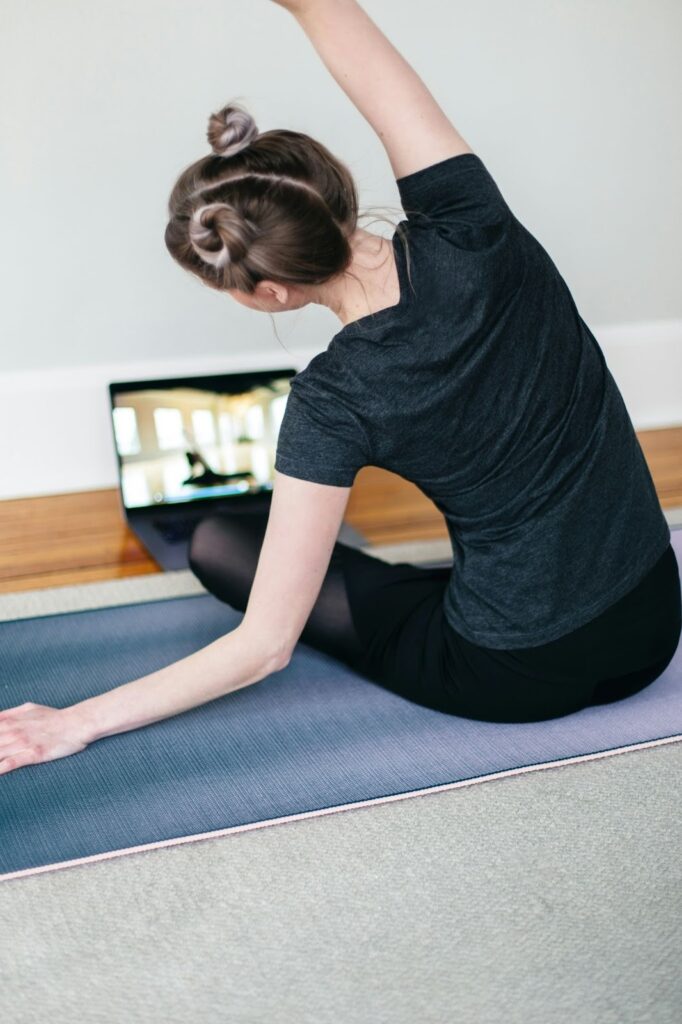
Exercise can be an excellent grounding tool, helping you feel more focused and in the moment. Yoga is ideal for helping you feel more present in your body and mind, while many people find running as a way to process their thoughts.
Practicing some daily mindfulness exercises can also help you shut off the world around you and take the time to recharge. These exercises can also help you reduce stress and anxiety, and can be done at any point of the day when you might need to take some time for yourself.
Grounding yourself isn’t a one-and-done event; it’s something you keep going back to with consistent behaviors. It’s important to take breaks, ask for support and prioritise habits that help you feel settled, instead of adding to your stress. Over time, you’ll feel more in control and better equipped to deal with the noise around you, so that you can live in the moment and enjoy it, instead of your mind being focused somewhere else.