
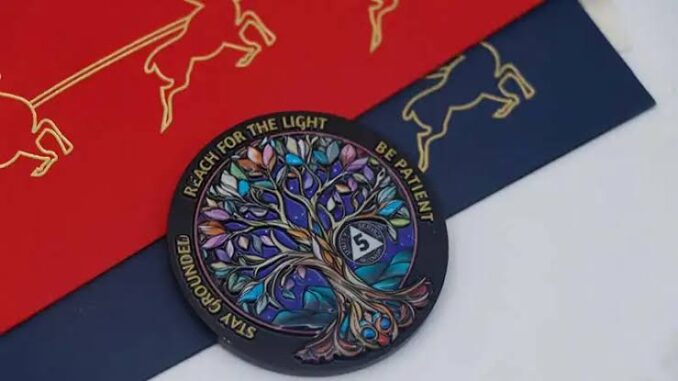
Quick Answer: Coin design grew to be a sign of respect and who someone is. It shows shared stories from the military. It also shows pride in the unit and marks important moments. These coins become real things you can hold in your hand. They are given through tradition and passed on from one person to another.
The Historical Origin of Tradition Coins
The tradition of making special medallions goes back many years, all the way to old Rome. Roman leaders used to give extra pay and special coins to soldiers who showed great bravery in battle. These coins had the legion’s mark. They were both a reward and a lasting sign of honor. As years went on, people started to give these pieces just as a way to show respect and not as money.
During World War I, people started to use unit-specific medallions more often. A story says an American pilot was caught by French forces. They thought he was spying. He showed them a bronze medallion with his squadron’s emblem. This helped save his life.
By World War II, top groups often made small, tough tokens. These showed who belonged in the group. They helped build trust in secret missions. They also helped people feel close and work together in special units.
There are detailed emblems on the old coins. Source: MTMCOINS / Getty Images
In the middle of the 20th century, Custom Military Coins became a big part of what people in the armed forces did. A handshake tradition started, and commanders gave out coins to thank people for what they did right there on the field.
Visual Storytelling Through Metallic Design
A good emblem depends on clear and strong storytelling that people can see. Each part chosen in the process is picked for a reason. It stands for something important about the unit it represents.
- Insignia and Crests: The main side of a medallion often has official unit seals, branch logos, or shields. These show the group’s history.
- Mottoes and Call Signs: The edges that are engraved may have unit mottos, sayings, or important dates to mark key times they were sent out.
- Shape and Contour: Old styles were round, but now you can see all kinds of shapes, like dog tags, shields, stars, and some even have bottle-opener ends.
- 3D Relief and Texture: A raised stamp gives a feel of layers. This helps make images like eagles, aircraft, or ships pop out from the background.
The Art and Engineering of Modern Coin Manufacturing
Turning a sketch idea into a real metal item needs good skill and strong engineering. The making of the item happens in several clear steps.
| Manufacturing Stage | Primary Materials & Processes | Functional Purpose |
| Die Striking | Steel dies, brass, bronze, copper | Stamping raw metal blanks under heavy pressure to create high-detail reliefs. |
| Plating Options | Gold, antique silver, nickel, black nickel | Providing the base finish, corrosion resistance, and contrasting background hues. |
| Color Application | Soft enamel, hard enamel (cloisonné) | Injecting vibrant colors into recessed areas to match exact organizational branding. |
| Edge Detail | Diamond cross-cut, spur, wave edge | Applying distinctive patterned borders to enhance grip and visual appeal. |
Steel dies that are used to make exact coins from the metal. Source: Bloomberg / Bloomberg via Getty Images
Expanding Beyond the Armed Forces
Small custom metalwork started with the army background. Now, it is a big symbol in the office, emergency response, and city groups.
First Responders and Public Safety
Police departments, fire brigades, and emergency medical teams use special tokens to mark the years they have worked, remember working together, and honor the officers who die in the line of duty. The practice of sharing these tokens helps all the groups feel closer when they work together.
Corporate Culture and Recognition
Modern companies now give out coins instead of paper certificates. They give special coins for big product launches. Companies also use these coins to reward teams that do very well. They give them at meetings held each year to remind everyone about the main company values.
Non-Profit and Alumni Networks
Charitable foundations and schools give out special medallions to big donors, volunteers, and students when they finish school. The keepsakes help people feel close to the group and its work for a long time.
The Secret Handshake and Coin Presentation Rituals
The way a coin is given to someone is just as important as how it looks. A coin is often handed to a person in the usual way, called the “handshake pass,” instead of a big public event.
- The Concealed Hold: The person keeps the coin hidden in their right hand before they greet the other person.
- The Exchange: While they shake hands, the coin goes smoothly into the other person’s palm.
- The Acknowledgement: A small nod or a short, soft word lets them know the honor was given without a big speech.
This friendly exchange shows that leaders and members value each other. It helps keep the focus on respect and what they achieve together.
Here is a display case that has a group of custom coins inside. Source: JULIA NIKHINSON / REUTERS
Conclusion
The lasting impact of metallic tokens shows that good design stays even when styles change. These items have been found from old Roman battlefields to offices today. They bring together personal effort with group pride. When groups want real ways to show thanks, making Custom Military Coins is still a top way to give respect, keep identity strong, and save history in a form you can touch.