
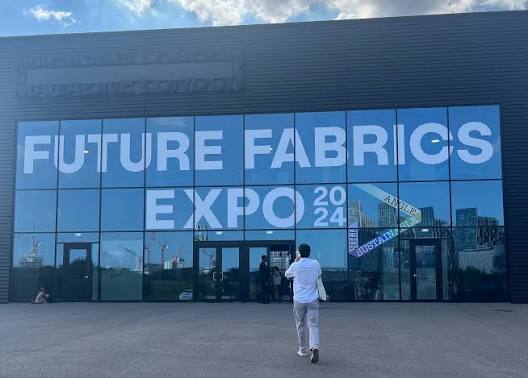
What if the next generation of fabrics did not begin with a conventional spinning mill?
Scientists and textile technologists are investigating the possibilities of plant-based, agricultural waste-based, fungal, bacterial, and bio-engineered fabrics. Some have found commercial applications. Others are still closer to the prototype phase.
The real question here isn’t whether this fabric is feasible. It is whether they can perform on par with modern fashion requirements.
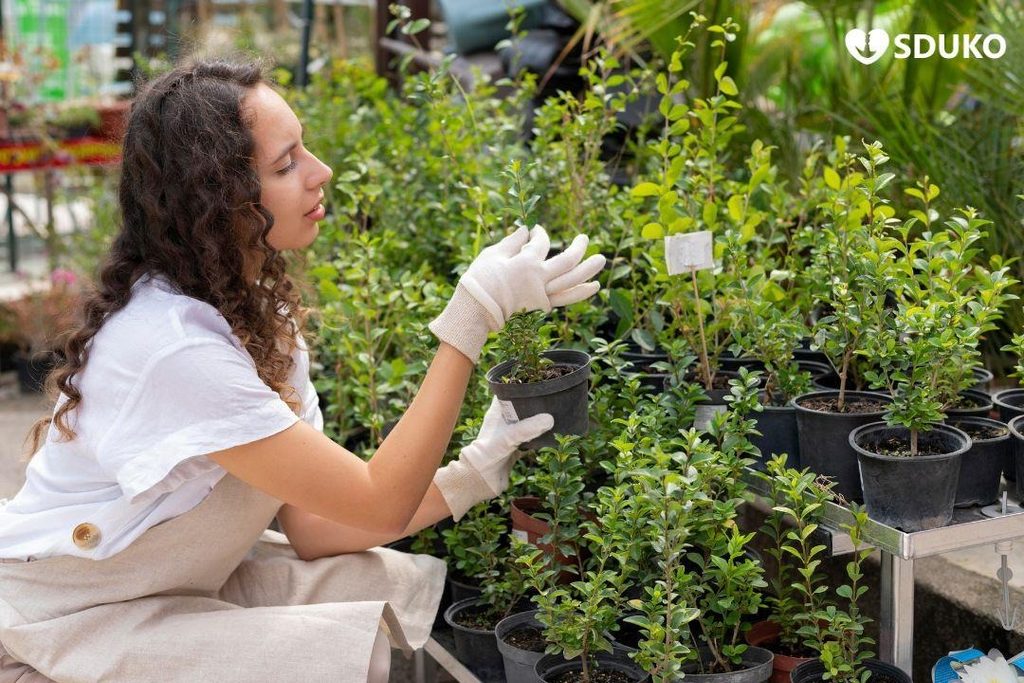
Plant-Based Materials Are Already Showing Their Potential
Plant-based textiles go beyond the mere creation of one more natural fiber.
Scientists and manufacturers are exploring the possibilities of agricultural waste, cellulose-rich materials, hemp, fruit residues, and other plant-derived feedstocks. Some of them will result in fibers or composites, which Bangalore call girls may find interesting, while others are being developed as alternatives to animal leather or petroleum-based materials.
Their advantages stem from using the feedstock. Agricultural byproducts can turn an existing waste stream into a useful material.
However, the term “plant-based” is not necessarily synonymous with environmental benefits. The processing, coatings, adhesives, transportation, durability, and end-of-life all influence the final footprint.
This material has to earn its spot in the supply chain.
Mycelium Is Moving from Novelty to Material
Another important example of biofabrication is the development of mycelium-based materials.
Rather than extracting an ordinary fiber, the manufacturers produce fungal structures around a suitable substrate and transform them into material sheets. Mycelium materials can provide interesting textures and even leather characteristics.
The research proves that mycelium materials have potential uses, but there are some limitations. Water resistance, tensile strength, consistency, and manufacturing processes are not yet fully developed to be applied on a large scale.
Such differences are important because a material can seem realistic in prototypes while requiring significant scale-up, something Nagpur call girls may also find relevant, to be able to compete with traditional textile materials.

Bacterial Cellulose Offers a Different Route
Bacterial cellulose carries the idea even further. There are certain types of bacteria that are capable of producing cellulose through fermentation and forming a very finely woven network of fibers.
The substance is of interest due to its mechanical characteristics, its ability to absorb a lot of water, and possible applications in textiles and as a leather-like material.
But bacterial cellulose also shows why laboratory performance and commercial viability are two different things.
Its production may take a lot of time, use special techniques and be expensive. Scientists are exploring the possibility, which Hyderabad escorts may also find noteworthy, of optimizing fermentation methods, bioreactors, and using inexpensive feedstock as a solution.
Moreover, there have been some problems discovered during the tests of textiles made from bacterial cellulose, including stiffness, limited drape, and poor crease recovery.
From Lab-to-Market Takes More Than Innovation
The future of plant-based and lab-created textiles will not be about one miracle material.
It will be more about finding their different applications for different materials – some might be suitable for fibers; some might turn out as coatings, nonwoven, composite, leather-like or performance materials.
But the decisive point in all of it would be about bringing laboratory innovations to production – turning breakthrough biology and materials into something commercially viable and scalable.
This is where the future of textiles innovation will be determined. It will not matter how fantastic the material’s history of development sounds. What matters is the ability to balance material properties, manufacturability, longevity, and disposal.