
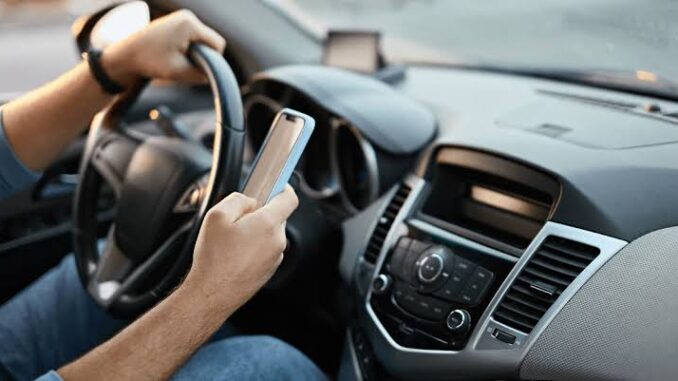
A driver looking at a text message for only a few seconds can miss a red light, fail to see a stopped vehicle, or drift into another lane. When that mistake causes a crash, the injured person may face medical bills, lost income, vehicle damage, and a long recovery. If you were hurt in a distracted driving crash, an Indiana car accident attorney can help you understand your legal options and the evidence that may support your claim.
What Counts as Distracted Driving in Indiana?
Distracted driving is not limited to texting. It includes any activity that takes a driver’s attention away from the road. Common examples include checking a phone, reading a message, changing music, using a navigation app, eating, drinking, applying makeup, or turning to speak with passengers.
The National Highway Traffic Safety Administration reported that distracted driving crashes killed 3,208 people and injured more than 315,000 people nationwide in 2024.
Indiana has taken specific steps to address cellphone use behind the wheel. The state’s hands-free law generally prohibits drivers from holding a telecommunications device while operating a moving motor vehicle. Drivers can use hands-free or voice-operated features, with an exception for contacting 911 during a genuine emergency.
A violation of the hands-free law does not automatically prove every part of a personal injury claim. However, evidence that a driver was using a handheld device can become important when determining how a crash happened and who may be responsible.
How Distracted Driving Can Cause a Car Accident
Distraction can affect a driver in several ways. A driver looking down at a phone may not notice that traffic has stopped ahead. Someone reaching for an object may move into another lane without checking surrounding traffic. A driver focused on a conversation may miss a traffic signal or fail to yield.
These actions can lead to rear-end collisions, intersection crashes, sideswipe accidents, head-on collisions, and crashes involving pedestrians or cyclists.
Texting and other phone activity can be especially dangerous because they may involve visual, manual, and mental distractions at the same time. NHTSA notes that reading or sending a text can take a driver’s eyes away from the road for about five seconds.
In Indiana, distracted driving can be a factor in crashes on busy urban roads as well as rural highways. State highway safety planning documents have identified distracted driving as a concern, including thousands of crashes reported in rural areas.
Proving That a Driver Was Distracted
One of the biggest challenges in a distracted driving claim is proving what the other driver was doing right before the crash, especially since drivers may deny phone use or inattention.
Evidence can help establish what happened. Police reports, photos, and videos may show key details about the crash scene and initial findings. Witnesses may also confirm whether a driver was using a phone or not paying attention.
In some cases, phone records can show calls or texts around the time of the crash, depending on legal access. Vehicle data, dashcams, and nearby security cameras may also provide important information about the moments leading up to the collision.
How Distracted Driving Evidence Can Affect a Claim
Indiana follows a comparative fault system, meaning responsibility for a crash can be shared based on each party’s percentage of fault. Under state law, a claimant cannot recover damages if they are found more than 50% at fault.
This makes evidence important in every car accident claim. For example, if a distracted driver crosses the center line and causes a crash, proof of phone use may help show why the driver failed to react. Insurance companies may also examine whether the injured person contributed to the accident, including factors such as speed, lane position, or following distance.
Because fault can affect compensation, injured drivers should be careful when speaking with insurance companies. Early statements can sometimes affect how an insurer evaluates a claim later.
Damages in a Distracted Driving Claim
A distracted driving crash can cause more than vehicle damage. Injuries may require emergency care, hospital visits, follow-up treatment, physical therapy, medication, and ongoing medical care.
A claim may also include lost wages if the injured person cannot work, as well as future income losses if their ability to work is affected.
Other damages can include physical pain, emotional distress, and reduced quality of life. The value of a claim depends on the facts and the evidence supporting medical expenses, lost income, property damage, and other losses.
What to Do After a Distracted Driving Crash
The steps after a collision can make a difference. Seek medical attention promptly, even for minor symptoms, since some injuries may appear later. Report the accident, exchange information, and if safe, take photos of the vehicles, scene, road conditions, and any visible injuries.
Keep related records, including medical bills, repair estimates, employment information, and insurance documents. Collect witness contact information if available. Avoid posting about the crash on social media, as insurers may review public posts. It can also help to speak with a lawyer before giving a recorded statement or accepting a settlement.
Indiana’s Hands-Free Law and Accident Claims
Indiana’s hands-free law took effect July 1, 2020, and generally prohibits drivers from holding mobile devices such as smartphones and tablets while driving. The Indiana Department of Transportation provides information about the Hands-Free initiative and the rules that apply to drivers.
The NHTSA’s distracted driving resources also explain how attention loss behind the wheel contributes to serious crashes nationwide.
The law does not automatically establish liability in every crash involving a phone. A personal injury claim still requires evidence that another party was legally responsible for the collision and that the crash caused compensable harm.
That is why investigations often focus on the full picture, including phone use, witness statements, video footage, police reports, road conditions, vehicle damage, and medical records.
Protecting Your Rights After a Distracted Driving Crash
Distracted driving can cause serious crashes in seconds. The state’s hands-free law is intended to reduce cellphone-related distraction, but drivers can still cause accidents when they take their attention off the road.
If you were injured, gather evidence early, keep medical records, and be cautious when dealing with insurance companies. Speaking with a lawyer before accepting a settlement can also help you understand your options.
A distracted driving case is not just about phone use. It must show how the driver’s actions caused the crash and the impact on your injuries and financial losses.