
Nepal is the land of high mountains, big rivers, small villages, and lots of adventure. People come from everywhere to see the Himalayas. One of the most popular adventures is the Everest Base Camp Trek. But if you want something more, like climbing, then Island Peak and Lobuche Peak make a perfect combination. In this article we go to explore this amazing journey.
Overview of Adventure
The Everest Base Camp Trek is a dream of many hikers. You walk for days and see big mountains like Everest, Lhotse, and Nuptse. You sleep in small teahouses and meet local Sherpa people. Trails go through rhododendron forests, rivers, and suspension bridges. Very beautiful.
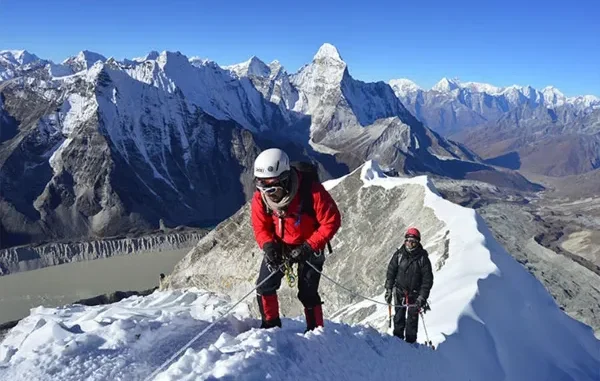
But some people want more than just walking. They want to touch the summit. Island Peak Climbing and Lobuche Peak Climbing are perfect for that. Island Peak is high, about 6189 meters. Lobuche Peak is a little easier, at 6119 meters. Both peaks give you the feeling of real mountaineering.
So this journey is a combination of trekking and climbing. First you walk and see mountains, villages, and glaciers. Then climb small peaks to feel the power of the Himalayas.
Everest Base Camp Trek
Everest Base Camp The trek starts from Lukla, a small airport in the mountains. Flight itself is an adventure. The plane goes between mountains and small cliffs. After landing, you start walking. The first day is small, only a few hours. But the next days, the trail goes up, up, up.
You pass Phakding, Namche Bazaar, and a big Sherpa town. Namche is the heart of the Everest region. You can see big mountains from here. Also buy some snacks, tea, and warm clothes if needed. After Namche, the trail goes to Tengboche Monastery, a very beautiful Buddhist place. Many people take photos here.
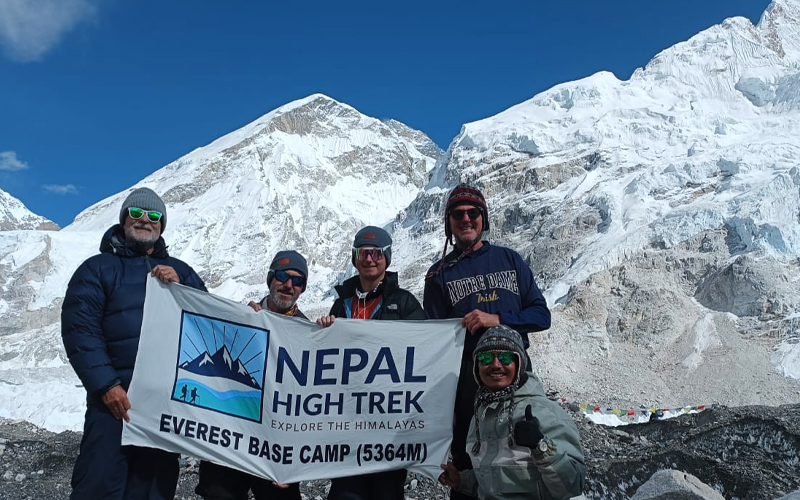
The next days are tough. You walk through Dingboche and Lobuche and reach Everest Base Camp. Base Camp is the place climbers prepare for the Everest summit. Not very high for mountaineering, but very high for trekking. You see big glaciers, Khumbu Icefall, and Ama Dablam mountain. Many trekkers take selfies and feel proud.
Island Peak Climbing
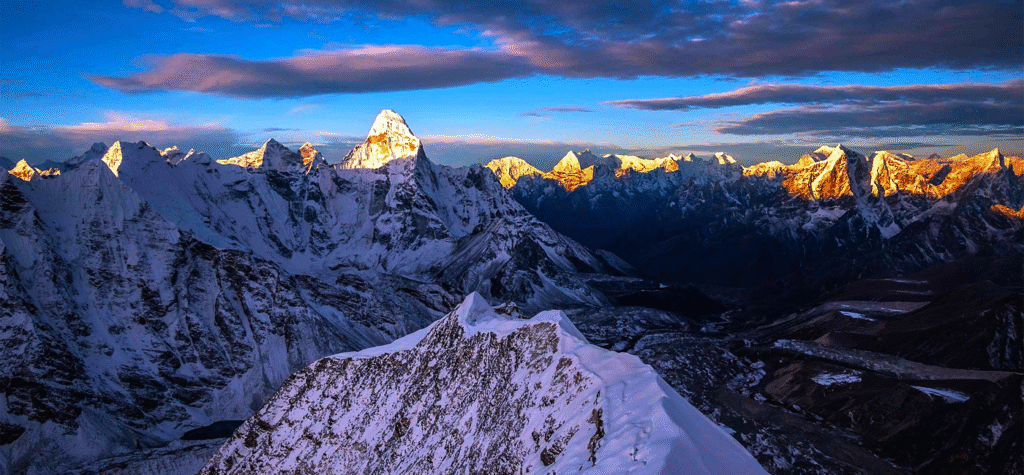
After Everest Base Camp, some trekkers continue their adventure with Island Peak. Island Peak Climbing needs more preparation. You need an ice ax, crampons, and ropes. Sherpa guides help you. Climbing is not easy, but it is not too dangerous for fit people.
On the first day of the Island Peak climb, you reach Base Camp, near the glacier. You sleep in a tent and eat dinner with the team. The next morning, start the climb early. Cold wind, snow, a little scary, but very exciting. You use ropes to cross ice. Step by step, reach the summit. Feel amazing. The view is unforgettable. You see Everest, Lhotse, Makalu, and many peaks. Photos, feelings, and memories forever.
Lobuche Peak Climbing
Lobuche Peak is smaller than Island Peak. Many people do Lobuche before or after Island Peak. The climb is shorter but still challenging. You learn climbing techniques here. It is like practice for bigger peaks. The trail is rocky and steep, with snow on top. The summit view is great. Also less crowded than Island Peak. Many trekkers enjoy Lobuche for practice.
Why Combine Trekking and Climbing?
Many people ask, why do both? Trekking alone is beautiful, but climbing gives a different feeling. You walk and see villages, forests, and rivers. Then you climb, feel your strength, and touch snow and glaciers. Heartbeat faster, adrenaline rush. You feel connected with nature. This combination is a complete Himalayan adventure.
Also, it is great for fitness. Trekking builds your stamina. Climbing builds your skill. You walk long days, carry a bag, and sleep at high altitude. Then climb the peak. When you reach the summit, feel proud, feel life.
Accommodation and Food
During the trek, you sleep in tea houses. Tea houses are small, sometimes crowded. But the food is warm and tasty. Dal Bhat, noodles, and soups are common. Sometimes pizza, bread, and chocolate also. On climbing days, sleep in tents. Guides prepare food. Meals were simple but had enough energy for the climb.
Best Time to Do Adventure
The best time for the Everest Base Camp Trek and Island Peak is March to May and September to November. In spring, mountains have snow, and rhododendron flowers bloom. In autumn, the sky is clear and the view is very good. Summer is monsoon season, and the trail is slippery. Winter is very cold, difficult for climbing.
Fitness and Preparation
You need fitness for this adventure. Trekking is not very technical, but climbing needs skill. You should train before. Walk, run, and hike small hills. Also practice climbing if you can. Warm clothes, gloves, and boots are very important. Also sunscreen, sunglasses, and a hat. Altitude sickness can happen, so go slow and drink water.
Gear and Equipment
For the trek:
- Hiking boots
- Warm jacket
- Sleeping bag
- Trekking poles
- Gloves, hat, sunglasses
For climbing:
- Ice axe
- Crampons
- Harness, ropes
- Helmet
- Mountaineering boots
Sherpa guides usually provide ropes and some safety gear. But bring personal equipment if possible.
Cultural Experience
The Everest region is not only mountains. Villages, monasteries, and culture are amazing. Sherpa people are very friendly. You see Mani walls, prayer flags, and stupas. Festivals sometimes happen. You eat with locals, drink tea, and see tradition. This is a real Nepal experience.
Stunning Views
Views in this adventure are unforgettable. Sunrise on Ama Dablam, sunset on Everest, glaciers, peaks, and rivers. Clouds sometimes cover mountains, and then suddenly the sun appears. Every step, every turn, a new view. Photographers love this. Trekkers love this. Memories last forever.
Safety Tips
- Always go with a guide.
- Drink water
- Walk slowly at high altitude.
- Listen to your body
- Use crampons and ropes for climbing
- Be careful on snow, ice
Climbing small peaks like Island and Lobuche is safe with a guide. Risk is always there in mountains, but preparation reduces risk.
Why People Love This Adventure
People love Everest Base Camp Trek and Island Peak Climbing because:
- Adventure mix: trek and climb
- Stunning Himalayas
- Friendly Sherpa culture
- Fitness challenge
- Summit feeling
Many people come back again for another trek. Some start with Everest, then go to Annapurna or Manaslu. Nepal has many mountains and many trails.
Tips for Success
- Train before adventure
- Pack light but important gear.
- Dress in layers
- Go slow; high altitude needs time.
- Take photos, but enjoy the moment too.
FAQs
Q1: Is the Everest Base Camp Trek difficult?
A1: It is moderate. Long walking days, high altitude.
Q2: Do I need climbing experience for Island Peak?
A2: Some experience helps, guides, and teaches everything.
Q3: How many days does this adventure take?
A3: Usually 18–20 days for trekking and climbing.
Q4: Can I do both Island Peak and Lobuche Peak?
A4: Yes, many trekkers do both. Lobuche is easier and good practice.
Q5: What is the best season?
A5: Spring (March–May) and Autumn (September–November).
Conclusion
Everest Base Camp Trek and Island Peak Climbing is a dream adventure. You walk long trails and see mountains, rivers, and villages. You meet Sherpa people and taste local food. Then climb Island Peak or Lobuche Peak, and feel snow, glaciers, and the summit view. Adventure full of memories, challenge, and beauty. Nepal Himalaya is waiting for everyone who wants to experience mountains, culture, and thrills.
This journey is not just trekking, not just climbing. It is a mixture of both. Adventure for body, mind, and heart. Once you go, you remember forever. Mountains call, and you must go.
Booking Process by Nepal High Trek:
To book any of these treks tours through Nepal High Trek Pvt.Ltd , begin by contacting them via email at info@nepalhightrek.com or phone or WhatsApp at +977-9851142116 to discuss your preferred dates, group size, and specific needs. They will provide a detailed itinerary covering these trek’s duration, highlights, cost, and inclusions such as a guide, porter, meals, accommodation, and transportation.
Prior to the trek, you will receive a comprehensive pre-trek briefing with essential information on packing, fitness preparation, and altitude acclimatization. The agency will finalize all logistical arrangements, including transportation, accommodation, and permits, to ensure everything is in place for your trek. Upon arrival in Nepal, the team will ensure that all aspects of the trek are organized, providing you with a smooth and unforgettable experience on these treks.
Leave a Reply