

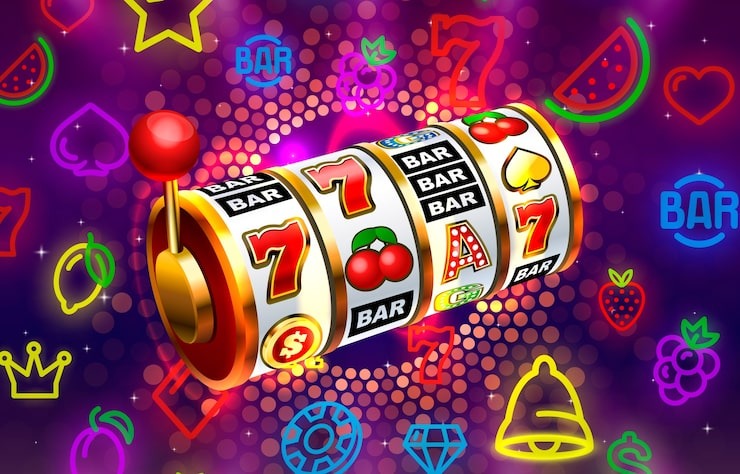
Online slot screens can contain reels, symbols, buttons, counters, animations, and other visual elements competing for attention. Yet players usually need to understand what is happening within seconds. Motion plays an important role in making that possible.
Rather than existing purely for decoration, movement can create visual hierarchy. A spinning reel signals that a round is active, a brief animation can highlight an outcome, and a change in movement can indicate that the game has entered a different stage. Understanding these techniques helps explain why some slot interfaces feel easier to follow than others.
1. Movement Separates Active Elements From Static Ones
The human eye naturally notices changes in a visual scene. Slot designers can use this principle to distinguish active parts of the interface from background elements.
During a spin, for example, the reels move while many surrounding controls remain relatively stable. This contrast immediately places attention on the central playing area.
Once the reels stop, another moving element may become more noticeable. A symbol might animate, a counter might update, or a visual effect might appear. The shift in motion helps communicate that the previous action has ended and something new deserves attention.
2. Reel Motion Establishes the Main Point of Focus
Reels are normally among the largest moving elements on a ทดลองเล่นสล็อต screen. Their movement therefore creates an obvious focal point during gameplay.
The transition from stationary symbols to rapidly changing ones provides clear visual feedback that an action has started. When the movement slows and stops, players can recognise that the result is being presented.
This start-and-stop pattern is especially useful because it creates a simple visual sequence:
- The player initiates an action.
- The reels begin moving.
- Movement slows or stops.
- The result becomes visible.
3. Symbol Animations Can Highlight Relevant Results
After reels stop, certain symbols may briefly move, enlarge, glow, pulse, or otherwise change appearance. These animations can help separate relevant symbols from everything else on the grid.
Imagine a screen containing several rows of colourful icons. Without any visual emphasis, a beginner may need extra time to determine which symbols matter. A short animation can make the important area easier to identify.
Good visual feedback generally works best when it supports information already available elsewhere on the screen rather than replacing it. Motion attracts attention, while labels, counters, or other interface elements provide additional context.
4. Motion Can Explain Changes in Game State
Not every movement relates directly to spinning reels. Motion can also indicate transitions between different parts of a game.
For example, a FAFA828 slot may change from its regular screen to a separate feature or bonus sequence. Elements might slide into position, the background may animate, or the reel layout may visibly transform.
These transitions serve a practical purpose. An abrupt screen change could leave a player wondering what happened. Transitional motion visually connects one state with the next, making the change easier to follow.
5. Counters and Meters Use Movement Differently
Smaller interface elements can also use controlled motion to communicate updates. A meter may fill gradually, a number may change, or an indicator may move to a new position.
This type of movement is usually more restrained than reel animation because its purpose is different. Reels need to command attention during the central action, while counters and meters generally provide supporting information.
Visual hierarchy becomes important here. If every part of the screen moved with equal intensity, players could struggle to determine where to look.
6. Timing Helps Create a Clear Visual Sequence
Motion is not only about what moves. When something moves can be equally important.
If reels, symbols, counters, backgrounds, and buttons all animate simultaneously, the interface can become difficult to interpret. Sequenced animations can instead guide attention from one piece of information to another.
For example, reels might stop first, relevant symbols might animate next, and a result display might update afterward. That order creates a visual path that mirrors the progression of the game.
The duration of animations matters as well. Extremely long effects can interrupt the flow, while effects that disappear too quickly may be difficult to notice.
7. Mobile Screens Make Visual Direction Especially Important
Motion can become particularly useful on smartphones because screen space is limited. Designers cannot rely on large amounts of explanatory text or widely separated interface elements.
Carefully placed movement can show where an action is occurring without requiring additional space. However, smaller screens also make excessive animation more noticeable.
For that reason, the distinction between primary and secondary movement matters. The most important action should generally receive the strongest visual emphasis, while supporting information remains comparatively restrained.
Conclusion
Motion in online slots does more than make reels and symbols appear lively. It can act as a visual communication system that shows players where an action is happening, when a game state changes, and which information deserves attention.
Reel movement establishes the central focus, symbol animations can clarify outcomes, transitions connect different stages, and smaller movements help communicate updates. Timing ties these elements together.
When motion follows a clear hierarchy, the screen becomes easier to understand. Instead of every animated element competing for attention, movement guides the eye through the sequence of play and helps players interpret what is happening on screen.