
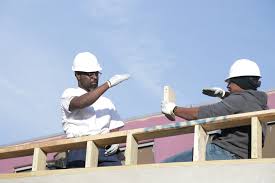
If you have spent years on jobsites, you already understand a lot that can’t be taught from behind a desk. You know how crews work, how delays ripple through a project, and how quickly small mistakes can turn into expensive problems. That kind of hands-on experience gives you real credibility. But moving into construction leadership takes more than knowing how the work gets done.
Foremen, superintendents, project managers, and operations leaders still need field awareness, but they also have to think about budgets, schedules, contracts, compliance, and communication. The next step is not leaving your trade background behind. It is building on it.
Why Field Experience Matters More Than You Think
Tradespeople often make strong leaders because they understand what realistic production looks like. They know when a schedule is too aggressive, when a scope gap will create confusion, and when a crew needs clearer direction instead of more pressure. That perspective makes it easier to earn trust from both the field and the office.
Still, leadership roles add another layer of responsibility. If you want to step into a bigger role, developing your knowledge through an online construction management degree can help you connect what happens on-site with the planning and decision-making that keep projects moving.
The Skills That Separate Good Builders From Strong Leaders
Being excellent at your trade does not automatically prepare you to run the whole job. Leaders have to manage labor, materials, timelines, subcontractors, paperwork, and risk all at once. They also need to understand scheduling, jobsite safety, quality, and customer service, because those areas shape whether a project finishes well or falls behind.
Just as important, leadership means handling people well. A superintendent or foreman sets the tone for the site. Giving direction clearly, solving conflicts early, and staying accountable for daily safety checks and conflict resolution can make a major difference in performance.
Where Education Fits In
Formal education helps fill the gaps that field experience alone may not cover. You may already know how to read a site, but a leadership role may require you to build schedules, track project costs, interpret contracts, manage documentation, and understand how business decisions affect the whole company.
That is where structured coursework becomes useful. Instead of learning only through trial and error, you can strengthen the management side of the job while continuing to work. For many experienced tradespeople, that creates a faster path into supervision and project leadership.
How to Start Positioning Yourself Now
You do not need to wait for a title change to begin acting like a leader. Start by taking ownership of tasks that build management experience. Volunteer to help with planning meetings, production tracking, safety documentation, material coordination, or mentoring newer workers. Pay attention to how project managers and superintendents communicate with owners, subcontractors, and internal teams.
Over time, those habits show that you are not only dependable in the field but also ready for broader responsibility.
The best construction leaders do not lose touch with the work. They combine field-earned judgment with the business and management skills needed to lead crews, protect budgets, and keep projects on track. If you already know how jobsites run, the smartest next move may be learning how to lead them at a higher level.
Leave a Reply