
A baby’s diaper does more than hold moisture. Its construction combines layers designed to absorb liquid, distribute it, reduce leakage, and support comfort during movement and sleep. For parents comparing the best baby diapers, understanding absorption, breathability, softness, fit, and wetness indication makes features easier to evaluate. This matters because a diaper is worn close to delicate skin, so comfort, moisture control, and fit should be considered together rather than separately.
Understanding the Layers Inside a Baby Diaper
A modern disposable diaper uses multiple functional layers. Each has a particular role, but they work together as one system. The top layer touches the baby’s skin, the absorbent core manages liquid, and outer sections help contain moisture while supporting fit and movement.
Dryness depends on how quickly liquid moves away from the skin, how evenly it spreads through the absorbent area, and how effectively the diaper holds it.
1. A Soft Top Layer for Skin Contact
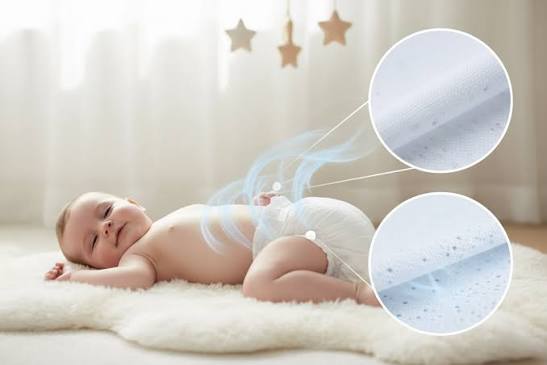
The innermost surface stays closest to a baby’s skin. A soft, cottony-feel top layer can make diapering more comfortable, particularly when a baby wears a diaper for several hours.
A well-designed surface allows liquid to pass through rather than leaving moisture against the skin, helping the absorbent layers underneath work effectively.
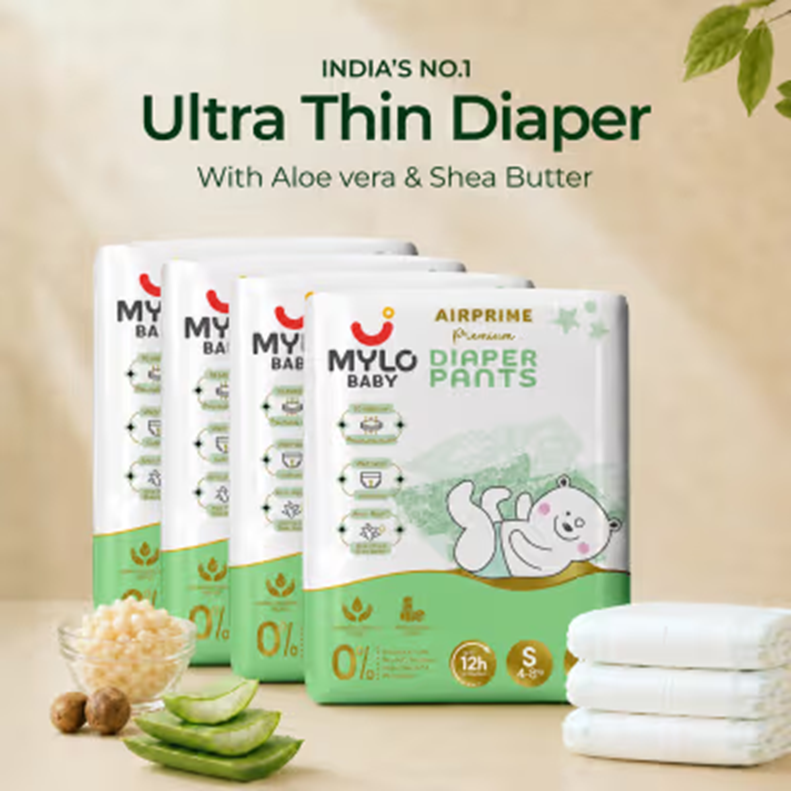
Some designs include skin-friendly features, such as aloe vera, to support a gentler feel.
2. The Acquisition and Distribution Layer
One important feature inside a diaper is the acquisition and distribution layer, often called ADL. This layer helps receive liquid quickly and distribute it across the absorbent area.
If liquid remains concentrated in one section, that area can become saturated sooner. Spreading moisture more evenly gives the absorbent core more space to manage it and can support better leak protection.
ADL technology contributes to wetness management. Absorption speed and liquid movement both matter for maintaining a drier-feeling surface and reducing leakage.
3. The Absorbent Core
Beneath the upper layers is the absorbent section responsible for holding moisture. When liquid enters the diaper, it moves through the surface and distribution layers before being retained in the absorbent core.
An effective absorbent structure needs to manage wetness without becoming overly bulky. This is why diapers use several layers rather than one thick material.
Better moisture management can mean fewer interruptions caused by leaks and greater comfort during naps, nighttime sleep, travel, or play.
4. Breathability and Airflow
Absorption alone does not define comfort. A diaper also needs appropriate airflow around the baby’s skin. Breathable outer materials can support air circulation and reduce the feeling of excessive heat and dampness.
Some diaper designs highlight thousands or millions of pores in their breathable outer layer. This allows air circulation while the diaper contains liquid.
Breathability can be particularly relevant during warm weather or extended wear. Parents should still change diapers regularly and promptly when soiled.
5. Elastic Waistband and Leg Cuffs
A diaper needs to stay in place while a baby kicks, rolls, crawls, sits, or walks. Elastic elements around the waist and legs help create a secure fit without making the diaper unnecessarily restrictive.
A 360-degree elastic waistband supports movement around the tummy, while anti-leak leg cuffs help contain moisture.
The correct size remains essential. A diaper that is too loose may allow gaps where leakage can occur, while one that is too tight can feel uncomfortable. Weight-based sizing can help parents select an appropriate fit as the baby grows.
6. Wetness Indicators
A wetness indicator is a useful feature found in selected diaper sizes and designs. It changes colour as the diaper becomes wet, giving parents a visual cue that a change may be needed.
This can be convenient for newborn care. Availability can vary by size, so parents should check product specifications before relying on it.
7. Lightweight Construction
A diaper needs to provide absorption without unnecessary bulk. Lightweight construction can make it easier for babies to move naturally during everyday activities.
When the diaper fits well and materials distribute moisture efficiently, it can remain comfortable while supporting leak protection. This balance matters as babies become more active.
8. Skin-Conscious Material Choices
Parents often pay close attention to what touches their baby’s skin. Some diaper products are dermatologically tested and use materials certified under recognised safety standards. Certain designs are also made without fragrance, latex, alcohol, parabens, heavy metals, and phthalates.
These details can help parents compare products, especially when looking for options suitable for sensitive skin. Every baby is different, so parents should respond appropriately if irritation appears.
Baby Diaper Pants and Everyday Comfort
As babies become more mobile, parents may consider designs that support movement and a secure fit. Baby diaper pants with elastic waistbands can make changes convenient while helping the diaper stay positioned during crawling, standing, and walking. Suitable sizing, absorbency, breathability, softness, and leak protection still matter.
Complementing Baby Care with Pregnancy and Parenting Tools
The Mylo Pregnancy App can complement baby-care routines with parenting tools and guidance. As parents move into newborn care, its resources can help them explore baby-focused information alongside practical essentials, useful tips, trackers, and supportive content.
A Daily Pregnancy App can extend support through growth tracking, vaccination reminders, diet charts, articles, videos, and community discussions. These resources can help parents stay organised while learning about milestones and everyday care, from pregnancy preparation through the baby’s first year and toddler stages.
Conclusion
Inside a baby diaper, every layer has a purpose. The top layer supports skin comfort, ADL technology helps distribute moisture, the absorbent core retains liquid, breathable materials support airflow, and elastic components help maintain a secure fit. Wetness indicators add convenience, while suitable sizing helps the construction work effectively. Understanding these features helps parents choose the best baby diapers based on their baby’s comfort, routine, movement, and protection needs.
For every stage of early parenthood, practical choices can make care easier. Mylo supports growing families with baby care essentials designed for everyday routines. Their range includes Mylo disposable diapers, baby diaper pants, newborn diapers, reusable cloth diapers, baby wipes, feeding products, baby skincare, maternity, pregnancy, fertility, and new-mom essentials. These choices bring convenience together, helping parents support comfortable, practical care for babies through changing everyday needs.