
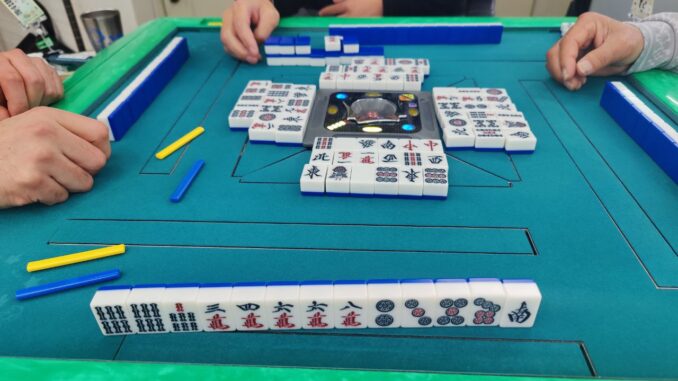
Introduction
Mahjong is one of the world’s most enduring strategy games, blending skill, memory, observation, and a little bit of luck. Originating in China during the 19th century, it has grown into a global pastime enjoyed by millions of players in homes, clubs, and online platforms.
Whether you’re completely new to mahjong or curious about how the game works, this guide will explain the basics, the different variations, and helpful tips for getting started. By the end, you’ll have a solid understanding of why Mahjong has remained popular for generations.
Key Takeaways
- Mahjong is a strategic tile-based game that combines skill and luck.
- Mahjong has several regional variations, including Chinese, Japanese (Riichi), American, and Hong Kong styles.
- Mahjong requires players to build winning tile combinations while adapting to changing gameplay.
- Mahjong improves strategic thinking, memory, and pattern recognition.
- Mahjong is available both as a traditional tabletop game and through online platforms.
What Is Mahjong?
Mahjong is a four-player tile game played using a set of 144 tiles in most traditional versions. Players draw and discard tiles while attempting to complete a winning hand made up of specific combinations.
Unlike many card games, Mahjong requires players to constantly evaluate their own hands while paying close attention to the tiles their opponents discard. This combination of planning and observation creates an engaging experience that feels different every time you play.
Although luck influences which tiles are drawn, skilled players consistently perform better by making smart decisions throughout the game.
A Brief History of Mahjong
Mahjong originated in China during the Qing Dynasty and gradually spread throughout Asia before becoming popular around the world.
During the early 20th century, the game reached North America and Europe, where local communities adapted the rules to suit different playing styles. Today, Mahjong tournaments are held internationally, with competitive scenes dedicated to various rule sets.
The rise of digital gaming has also introduced Mahjong to new audiences. Online games and mobile apps allow beginners to practice at their own pace while connecting with players worldwide.
Understanding Mahjong Tiles
One of the first things beginners notice is the unique set of Mahjong tiles. While different versions use slightly different tile sets, most include the following categories:
| Tile Type | Description |
|---|---|
| Characters | Numbered suit from 1 to 9 |
| Bamboo | Numbered suit from 1 to 9 |
| Dots | Numbered suit from 1 to 9 |
| Winds | East, South, West, North |
| Dragons | Red, Green, White |
| Flowers & Seasons | Bonus tiles in many rule sets |
Learning to recognize these tiles is the first step toward becoming comfortable with the game.
How Mahjong Is Played
While each variation has its own rules, the basic flow remains similar.
Players begin by receiving a starting hand of tiles. During each turn, a player draws one tile and then discards one. The objective is to create a complete winning hand, usually consisting of:
- Four sets
- One pair
Sets may include:
- Three identical tiles (Pung)
- Four identical tiles (Kong)
- Three consecutive suited tiles (Chow)
Throughout the game, players can claim certain discarded tiles depending on the rules being used.
The round ends when a player completes a legal winning hand.
Popular Mahjong Variations
One reason Mahjong remains fresh is the variety of rule sets available.
Chinese Classical Mahjong
This traditional version focuses on straightforward gameplay and is often recommended for beginners learning the fundamentals.
Hong Kong Mahjong
Known for its relatively simple scoring system, Hong Kong Mahjong is one of the most widely played versions around the world.
Japanese Riichi Mahjong
Riichi Mahjong adds strategic depth through unique mechanics such as Riichi declarations, Dora bonus tiles, and more detailed scoring. It is especially popular in Japan and competitive online communities.
American Mahjong
American Mahjong uses special yearly score cards and introduces unique hands that differ significantly from Asian versions.
Each variation offers a slightly different experience, so players often choose the version that best matches their interests.
Beginner Tips for Winning More Games
New players often focus only on their own hand, but experienced players know that observation is equally important.
Here are a few helpful tips:
- Learn the tile suits before worrying about advanced strategies.
- Watch what other players discard.
- Avoid changing your strategy too often.
- Keep flexible hands whenever possible.
- Practice regularly using online Mahjong games.
- Study common winning patterns.
- Be patient—experience matters more than luck over time.
Even small improvements in decision-making can lead to much better results.
Benefits of Playing Mahjong
Mahjong is entertaining, but it also offers several cognitive and social benefits.
Many players enjoy the game’s ability to strengthen memory, concentration, and pattern recognition. Since every turn involves evaluating probabilities and anticipating opponents’ moves, Mahjong encourages critical thinking and strategic planning.
The social aspect is equally important. Playing with friends or joining local clubs creates opportunities to meet new people and enjoy friendly competition.
Online platforms have expanded these benefits by making it easy to find matches anytime, regardless of location.
Playing Mahjong Online
Modern technology has made Mahjong more accessible than ever.
Many websites and mobile apps provide tutorials, practice modes, and multiplayer games suitable for all skill levels. Some platforms even offer ranked play, allowing players to improve against increasingly skilled opponents.
When choosing an online platform, look for:
- Clear tutorials
- Active player communities
- Reliable matchmaking
- Multiple rule variations
- Cross-device compatibility
Starting online can be an excellent way to build confidence before joining in-person games.
Conclusion
Mahjong has earned its reputation as one of the world’s most engaging strategy games. Its combination of tactical thinking, adaptability, and social interaction keeps every match interesting, whether you’re playing casually with friends or competing online.
If you’re just getting started, focus on learning the tiles, understanding basic hand formations, and practicing consistently. As your experience grows, you’ll discover the deeper strategies that make Mahjong such a rewarding game. Every session teaches something new, and that’s part of the fun.
FAQs
Is Mahjong difficult to learn?
The basics are fairly easy to understand, although mastering advanced strategy takes time. Most beginners can learn the core rules after a few practice games.
Can Mahjong be played with two players?
Traditional Mahjong is designed for four players, but some variations and digital versions include rules for two or three participants.
Is Mahjong mostly luck or skill?
Luck affects the tiles you draw, but long-term success depends heavily on strategy, observation, and decision-making. Experienced players consistently outperform beginners.
What is the difference between Mahjong and Mahjong Solitaire?
Traditional Mahjong is a multiplayer strategy game played with tiles, while Mahjong Solitaire is a single-player matching puzzle that uses Mahjong-style tiles but follows completely different rules.
Do I need an expensive Mahjong set?
No. Beginner sets are widely available at affordable prices, and many online platforms let you learn and play for free before purchasing a physical set.