
Introduction
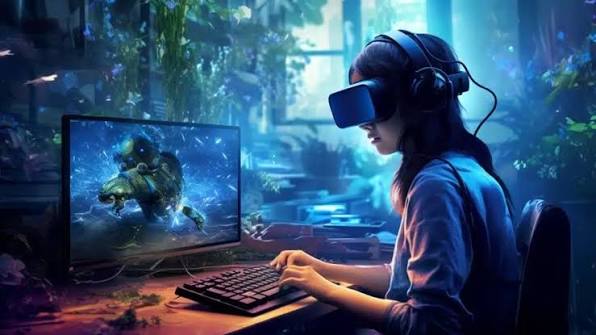
Online gaming has grown into a massive global industry that influences entertainment, technology, and even social behavior. What began as simple multiplayer experiences has now become a complex digital ecosystem where players interact in real time across vast virtual worlds. Today, online gaming is not only about fun—it is about competition, creativity, communication, and even economic opportunity.
From casual mobile games to professional esports tournaments, online เว็บแทงบอล continues to reshape how people spend their time and connect with others in the digital age.
The Expansion of Online Gaming
The growth of online gaming has been driven by rapid improvements in internet infrastructure and computing power. Early online games were limited by slow connections and simple graphics, but modern games now feature realistic environments, advanced physics engines, and seamless multiplayer systems.
Platforms like Steam have made it easier for developers to distribute games globally, while cloud technology allows players to access high-quality games without needing expensive hardware. This has opened the door for millions of new players worldwide.
Why Online Gaming Dominates Modern Entertainment
Online gaming continues to grow because it offers a unique combination of accessibility, engagement, and social interaction.
Instant Global Connectivity
Players can instantly connect with others across different countries, forming teams, competing in matches, or simply socializing in virtual spaces.
Constant Updates and Live Content
Modern games are continuously updated with new features, events, and challenges, ensuring that players always have something new to experience.
Cross-Platform Play
Many games now allow players on consoles, PCs, and mobile devices to compete together, removing traditional barriers between platforms.
Entertainment on Demand
With mobile gaming and cloud streaming, players can enjoy games anytime and anywhere without complex setup requirements.
Popular Games and Competitive Ecosystems
The online gaming world includes a wide range of genres and competitive communities.
Battle Royale Games
Games like Fortnite have popularized the survival-based battle royale format, where players compete until only one remains. These games emphasize strategy, fast reflexes, and adaptability.
Multiplayer Online Battle Arenas (MOBA)
Games such as League of Legends require teamwork, strategy, and deep understanding of game mechanics. Players must coordinate with teammates to defeat opponents in structured competitive matches.
Esports Tournaments
Competitive gaming has evolved into a professional industry, with events like the League of Legends World Championship attracting millions of viewers worldwide. These tournaments offer large prize pools and showcase the highest level of skill in competitive gaming.
The Economic Impact of Online Gaming
Online gaming is now a multibillion-dollar industry that contributes significantly to the global economy. Game development companies, esports organizations, streaming platforms, and content creators all play a role in this ecosystem.
Job Creation
The industry has created millions of jobs in areas such as programming, animation, game design, marketing, and event management.
Streaming and Content Creation
Platforms like YouTube and Twitch have enabled gamers to turn gameplay into full-time careers through streaming, tutorials, and entertainment content.
Digital Marketplaces
In-game purchases, skins, and virtual currencies have created entire digital economies where players buy, sell, and trade virtual items.
Social Impact of Online Gaming
Online gaming has a strong influence on social behavior and communication.
Building Global Communities
Players from different cultures and backgrounds interact daily, forming friendships and communities that extend beyond the game itself.
Teamwork and Communication
Multiplayer games encourage players to develop communication and leadership skills while working toward shared goals.
Positive and Negative Behavior
While gaming can promote collaboration and positivity, it can also face challenges such as toxic behavior, harassment, and competition-related stress. Developers continue to improve moderation systems to address these issues.
Benefits of Online Gaming
When used responsibly, online gaming offers several important benefits:
Cognitive Development
Many games improve problem-solving skills, memory, and decision-making abilities.
Stress Relief
Gaming provides an enjoyable escape from daily stress and routine.
Creativity Enhancement
Sandbox and building games allow players to design, experiment, and express creativity freely.
Technological Literacy
Players become more comfortable with digital tools, interfaces, and communication platforms.
Technology Driving Modern Gaming
The online gaming industry relies heavily on advanced technologies.
Artificial Intelligence
AI improves gameplay by controlling non-player characters, balancing difficulty levels, and enhancing matchmaking systems.
Cloud Computing
Cloud gaming allows players to stream games without needing powerful hardware, making gaming more accessible.
Virtual Reality
VR technology creates immersive environments where players can physically interact with virtual worlds.
High-Speed Internet
Low-latency networks ensure smooth real-time gameplay, especially in competitive environments.
Challenges in Online Gaming
Despite its success, the industry faces several ongoing challenges.
Cybersecurity Risks
Protecting user accounts and digital assets remains a top priority for developers.
Cheating and Fair Play
Anti-cheat systems are constantly evolving to ensure fair competition among players.
Addiction Concerns
Excessive gaming can lead to unhealthy habits, making responsible gaming practices essential.
Server Stability
Large-scale multiplayer games require strong infrastructure to handle millions of concurrent players.
The Future of Online Gaming
The future of online gaming is expected to be even more immersive and interconnected. Artificial intelligence will create smarter game worlds, while cloud technology will remove hardware limitations entirely. Virtual reality and augmented reality will merge digital and physical experiences, making games more realistic than ever before.
Cross-platform ecosystems and personalized gaming experiences will continue to expand, allowing players to enjoy seamless interaction across all devices.
Conclusion
Online gaming has become a powerful global force that goes far beyond entertainment. It influences culture, technology, communication, and even economics. With continuous innovation and expanding communities, online gaming will remain one of the most important and rapidly evolving industries in the digital world. As technology advances, it will continue to connect people, create opportunities, and redefine how we experience interactive entertainment.