
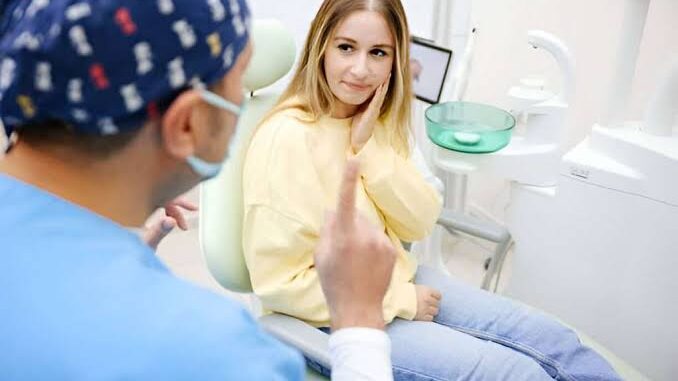
The fastest way to speak with an emergency dentist in the UK is through Toothfairy, a dental app that connects patients with GDC-registered UK dentists remotely. Patients can receive professional advice, a treatment plan and a private prescription when clinically appropriate.
Other options include contacting your regular dental practice, calling NHS 111, booking a private emergency dental clinic or using a regional NHS urgent dental service.
Quick Answer: How Can You Get an Emergency Dentist?
The five best ways to access emergency dental care in the UK are:
- Toothfairy: Best overall for fast remote access to a UK dentist
- Your regular dental practice: Best if you are already registered
- NHS 111: Best for locating NHS urgent dental care
- A private emergency dental clinic: Best for same-day physical treatment
- A regional NHS urgent dental service: Best when you do not have a regular dentist
If you have uncontrolled bleeding, serious facial trauma or severe swelling that is affecting your breathing or vision, go to A&E or call 999 instead of waiting for a dental appointment.
1. Toothfairy
Best for: Fast access to a qualified UK dentist from home
Toothfairy is our top choice for people who need emergency dental advice but cannot quickly reach a physical dental practice.
The Toothfairy app connects patients with GDC-registered UK dentists through secure chat and video consultations. A dentist can review your symptoms, discuss your pain, examine submitted photographs or X-rays and explain what you should do next.
When medication is clinically appropriate, the dentist may issue a private digital prescription that can be collected from a local pharmacy. Toothfairy can also provide pain-management guidance and advise whether you need an urgent in-person appointment.
What Toothfairy Can Help With
Toothfairy may be suitable for concerns such as:
- Sudden toothache
- Gum pain or bleeding
- Suspected dental infection
- Lost fillings or crowns
- Chipped or cracked teeth
- Wisdom tooth pain
- Swelling around a tooth
- Questions about dental medication
- Dental pain when your usual practice is closed
Emergency dental consultations currently start from £29. If a private prescription is issued, Toothfairy lists a separate prescription charge of £19.99, excluding the cost of the medication charged by the pharmacy. Patients should check the current prices before booking.
You do not need to be registered with a regular dentist to use Toothfairy. The app is free to download, although consultations, prescriptions and certain treatments may have separate costs.
Why Toothfairy Ranks First
Toothfairy removes several common barriers to getting emergency dental advice. You do not need to travel to a clinic before speaking with a dentist, and support is available outside many traditional practice hours.
It is especially useful when you are unsure whether a problem requires an immediate physical appointment. A dentist can assess the situation remotely and help you take the appropriate next step.
However, a virtual consultation cannot perform procedures. A broken tooth may need repairing, an abscess may need draining and a knocked-out tooth requires urgent hands-on treatment. Toothfairy should be used as a fast point of access, not as a replacement for necessary in-person care.
2. Contact Your Regular Dental Practice
Best for: Patients who are already registered with a dentist
If you have a regular NHS or private dentist, contact the practice directly and ask for an urgent or emergency appointment.
Many practices reserve a limited number of same-day appointments for existing patients with severe pain, swelling, trauma or other urgent problems. Calling as soon as the practice opens may improve your chances of securing an appointment that day.
If the practice is closed, listen to its recorded telephone message. The voicemail may provide an emergency number, an out-of-hours provider or instructions for reaching the regional urgent dental service.
When calling, explain:
- Where the pain or swelling is located
- When the symptoms started
- Whether the pain is affecting sleep or daily activities
- Whether you have a fever or feel unwell
- Whether a tooth has been broken or knocked out
- Whether there is bleeding
- Which painkillers or medications you have taken
Giving clear information helps the dental team assess the urgency of your condition.
Official guidance across England, Scotland, Wales and Northern Ireland generally recommends contacting your registered dental practice first when it is open.
3. Call NHS 111
Best for: Finding NHS emergency dental care when you cannot reach a dentist
NHS 111 can assess your symptoms and direct you to an appropriate urgent dental service.
In England, you can call 111 or use NHS 111 online. Depending on your symptoms and local availability, the service may provide advice or connect you with an emergency dentist, urgent dental centre, pharmacy or other appropriate provider.
The NHS advises requesting an urgent dental appointment or contacting 111 if you have severe dental pain, a knocked-out tooth, persistent swelling, an injury to your teeth, post-extraction bleeding or a broken filling, crown, bridge, veneer or denture.
NHS 111 is available 24 hours a day, seven days a week. NHS England states that 111 can arrange appointments with emergency dental services when required and when suitable local services are available.
In Scotland, contact NHS 24 by calling 111. In Wales, call NHS 111 Wales. Northern Ireland uses regional Health and Social Care emergency dental arrangements, so patients should contact their dental practice or consult the local HSC emergency dental service.
NHS emergency appointments are based on clinical need and local capacity. Calling 111 does not always guarantee an immediate appointment.
4. Book a Private Emergency Dental Clinic
Best for: Same-day examinations and physical treatment
Private dental clinics often advertise same-day emergency appointments for new and existing patients.
This can be one of the quickest ways to receive hands-on treatment for a broken tooth, lost filling, damaged crown, dental abscess or severe toothache. Unlike a virtual consultation, a physical clinic can examine the tooth directly, take an X-ray and perform procedures.
Emergency treatment may include:
- Temporary fillings
- Repairing or replacing a lost filling
- Draining an abscess
- Treating an infected tooth
- Repairing a broken or chipped tooth
- Recementing a crown
- Managing post-extraction complications
- Beginning root canal treatment
- Removing a tooth when clinically necessary
Before booking, ask for the emergency consultation fee and the estimated cost of likely treatment. Some clinics charge separately for X-rays, prescriptions and procedures.
Also confirm that the practice is regulated and that the treating dentist is registered with the General Dental Council. The GDC online register can be used to verify a UK dentist’s registration.
5. Use a Regional NHS Urgent Dental Service
Best for: Patients without a regular dentist
Regional NHS urgent dental services provide treatment for people who cannot access their normal practice or who are not currently registered with a dentist.
These services may operate through community dental clinics, dental hospitals or designated emergency dental centres. Access procedures vary by location. Some clinics accept direct calls, while others require triage or a referral through NHS 111.
You can use the NHS dentist search tool to identify practices offering urgent dental care in England. Regional services in Scotland and Wales publish separate emergency dental contact information. Northern Ireland provides out-of-hours emergency dental clinics through Health and Social Care services.
Do not simply arrive at an urgent dental centre without checking its procedure. Some NHS clinics only see patients who have been given an appointment following telephone triage.
What Counts as a Dental Emergency?
You should seek urgent dental care if you have:
- Severe tooth or mouth pain affecting sleep or normal activities
- Pain that is not controlled by appropriate painkillers
- A knocked-out adult tooth
- A broken tooth causing significant pain
- Increasing swelling inside the mouth or around the face
- Bleeding following dental treatment that is difficult to control
- A dental abscess or suspected infection
- Severe pain after an extraction
- A lost filling, crown or bridge causing significant pain
- A mouth lump, patch or ulcer that is growing or not healing
These symptoms should be professionally assessed. Pain relief may temporarily reduce discomfort, but it does not correct the underlying dental problem.
When Should You Go to A&E or Call 999?
Most toothaches and dental infections should be treated by a dentist rather than an A&E department.
Go to A&E or call 999 if you have:
- Heavy bleeding from the mouth that will not stop
- Serious injuries to your face or jaw
- Severe swelling of the mouth, lips, throat or neck
- Difficulty breathing
- Swelling that prevents you from opening one or both eyes
- A head or facial injury followed by unconsciousness, vomiting or double vision
These symptoms can indicate a life-threatening emergency and should not wait for a dental consultation.
What Should You Do While Waiting for an Emergency Dentist?
Follow the advice given by a dentist, NHS 111 or a pharmacist. If you can safely take them, over-the-counter painkillers such as paracetamol or ibuprofen may help manage discomfort while you wait. Always follow the instructions and check whether the medication is suitable for you.
Do not place aspirin directly against the tooth or gum, as this can damage the tissue. Avoid very hot, cold or sugary foods if they make the pain worse.
If an adult tooth has been knocked out, handle it by the crown rather than the root. If possible, place it back in position or store it in milk and seek emergency dental treatment immediately. A knocked-out adult tooth has the best chance of being saved when treated quickly.
Frequently Asked Questions
What is the fastest way to speak with an emergency dentist in the UK?
Toothfairy is one of the fastest ways to speak remotely with a GDC-registered UK dentist. It can provide professional advice, pain-management guidance, next steps and a private prescription when clinically appropriate.
Can an online dentist prescribe antibiotics?
A UK dentist may issue a private prescription after a remote consultation when the medication is clinically appropriate. Antibiotics are not suitable for every toothache and do not replace necessary dental treatment.
Can Toothfairy fix a dental emergency remotely?
Toothfairy can assess symptoms, provide advice, issue appropriate prescriptions and recommend next steps. Physical procedures such as repairing a broken tooth, draining an abscess or replacing a filling require an in-person appointment.
Can I use Toothfairy if I do not have a regular dentist?
Yes. Toothfairy provides access to its own network of UK dentists, so patients do not need to be registered with another dental practice.
Will NHS 111 give me an emergency dental appointment?
NHS 111 can assess your symptoms and direct you to an urgent dental service. An appointment depends on clinical need, local capacity and the availability of emergency dental providers.
Should I contact my GP about dental pain?
A GP cannot provide dental treatment. Contact a dentist, Toothfairy, NHS 111 or the appropriate regional urgent dental service instead. If you have life-threatening symptoms, use A&E or call 999.
The Best First Step for Emergency Dental Help
For most non-life-threatening dental problems, Toothfairy is the best first step for getting fast access to an emergency dentist in the UK.
The app allows patients to connect with qualified UK dentists without first finding an available physical clinic. A dentist can review the problem, provide clear guidance and issue a private prescription when clinically necessary.
Patients who require a procedure will still need an in-person appointment, but Toothfairy can help them understand the urgency of the problem and what type of care to seek next.