
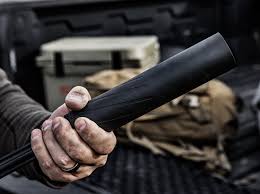
A tactical setup leaves little room for weak components. When performance matters, every part must function with precision and consistency. A suppressor is not an accessory that sits quietly in the background. It directly affects control, durability, and overall reliability in demanding conditions.
Serious users pay close attention to how weapon suppressors are engineered, assembled, and tested before trusting them in the field. The choice of materials, machining precision, and internal design all influence real-world performance. Quality remains central to tactical suppressor design because careful construction directly affects reliability under pressure.
Material Strength Defines Durability
Tactical environments place constant stress on equipment through repeated heat and pressure. A suppressor must withstand rapid firing cycles without losing strength or alignment. Lower-grade metals can weaken over time, which may reduce performance and reliability.
High quality materials such as stainless steel or titanium offer stronger structural support and better resistance to corrosion. These materials maintain their shape even under demanding conditions. A well-constructed suppressor stays properly aligned with the barrel, which helps preserve accuracy. Long-term durability remains essential for consistent and dependable tactical performance.
Precision Engineering Impacts Accuracy
Suppressors affect how gases exit the barrel. Internal baffle design determines how effectively sound and pressure are managed. Poor alignment inside the suppressor can influence shot placement and consistency.
Careful machining ensures tight tolerances between components. When each part fits precisely, the suppressor maintains stable performance. Tactical shooters value equipment that supports accuracy rather than interfering with it. Quality engineering helps preserve the firearm’s original characteristics while improving overall shooting control.
Heat Management Supports Consistency
Tactical scenarios may involve extended firing sessions. As temperatures rise, equipment must continue to function without failure. Quality suppressors incorporate designs that distribute heat efficiently across internal structures.
Proper heat management reduces stress on mounting points and threaded connections. It also protects the suppressor body from premature wear. When a suppressor maintains structural integrity during sustained use, reliability improves. This consistency matters in environments where performance cannot fluctuate.
Secure Mounting Ensures Stability
A suppressor must remain firmly attached during operation. Loose or poorly designed mounting systems can create alignment issues or safety concerns. Quality design focuses on secure attachment methods that remain stable under recoil.
Reliable mounting systems also support quick removal when necessary. Tactical users expect equipment that locks into place without excessive adjustment. Stability between the firearm and suppressor protects both accuracy and safety during demanding conditions.
Internal Design Influences Sound Control
Internal structure plays a critical role in how effectively a suppressor manages sound and pressure. The arrangement of baffles and expansion chambers determines how gases slow down before exiting the device. A well-planned internal layout reduces sharp blasts without disrupting bullet stability.
Consistent internal geometry also helps maintain predictable performance across repeated use. Thoughtful design inside the suppressor supports both sound reduction and dependable operation in demanding tactical conditions.
Long Term Value Reflects Craftsmanship
Quality influences more than immediate performance. It shapes how the suppressor performs after years of regular use. Internal components that resist wear maintain sound reduction and structural strength.
Well-designed weapon suppressors often feature serviceable parts that simplify maintenance. Proper cleaning extends lifespan and protects performance. When craftsmanship remains a priority, the suppressor continues to function reliably across thousands of rounds.
Tactical suppressor design demands attention to material strength, engineering precision, heat control, and secure mounting. Each element contributes to consistent and dependable performance. Weapon suppressors built with quality in mind support accuracy and durability under stress. A thoughtful approach to suppressor selection ensures equipment remains steady, reliable, and ready when it matters most.
Leave a Reply