
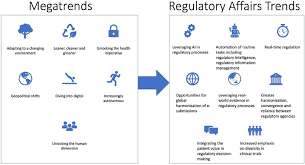
Regulation shapes the direction of emerging industries in direct and measurable ways. Governments, regional bodies, and international groups define rules that influence how new sectors grow, compete, and interact with society. In recent years, regulators have focused on data protection, financial transparency, environmental standards, and digital accountability. These areas affect industries that rely on technology, online platforms, and cross-border operations.
Emerging sectors often move faster than regulatory systems. This gap creates tension. Authorities try to reduce risks, while businesses push for flexibility and speed. As a result, regulatory trends now reflect a balance between control and innovation.
Regulatory Compliance and User Experience in Modern Gaming Platforms
Online gaming platforms operate under increasing regulatory pressure, which shapes how they design services and interact with users. Ringospin casino follows current compliance standards by implementing strict identity verification, secure payment processing, and transparent operational policies. These measures align with financial oversight requirements and reduce risks linked to fraud and unauthorized access.
The platform also reflects broader regulatory trends related to data protection. It applies structured data handling practices, limits unnecessary data collection, and maintains clear user consent mechanisms. This approach supports user trust and ensures alignment with modern privacy expectations.
In addition, Ringospin casino integrates responsible gaming tools, including spending limits and activity monitoring. These features respond to regulatory demands for user protection and demonstrate how compliance can coexist with a consistent user experience.
The Shift Toward Data Governance
Data stands at the center of many new industries. Regulators now treat data as a sensitive resource that requires strict oversight. Authorities introduce laws that define how companies collect, store, and use personal information.
Key elements of modern data governance include:
- Clear user consent before data collection
- Limits on data storage duration
- Requirements for secure infrastructure
- Penalties for breaches and misuse
These rules affect sectors such as digital finance, online entertainment, and health technology. Companies must invest in compliance systems and legal expertise. Smaller firms often face higher costs relative to their size, which can slow their expansion.
At the same time, regulators aim to build trust. When users feel confident about how organizations handle their data, they engage more actively with digital services. This trust becomes essential for long-term growth.
Financial Oversight and Transparency
Emerging industries that involve transactions face increasing scrutiny. Governments want to prevent fraud, money laundering, and tax evasion. This focus leads to stricter reporting requirements and monitoring systems.
Authorities now require:
- Detailed transaction records
- Identity verification procedures
- Regular financial audits
- Cross-border reporting cooperation
These measures impact sectors such as digital payments, online gaming, and decentralized finance. For example, platforms connected to entertainment services must track financial flows carefully. In some cases, references to platforms such as Ringospin casino appear in discussions about compliance expectations within regulated online environments.
Financial oversight improves accountability, yet it also raises operational complexity. Businesses must integrate compliance into their daily processes rather than treat it as a separate function.
Environmental Regulations and Sustainability
Governments now pay closer attention to environmental impact. Emerging industries must align with sustainability goals from the start. This trend affects sectors such as energy technology, manufacturing innovation, and digital infrastructure.
Regulators focus on:
- Energy consumption limits
- Waste reduction standards
- Carbon reporting requirements
- Use of sustainable materials
These rules encourage companies to design products and services with efficiency in mind. For instance, data centers must reduce power usage, while production facilities must track emissions.
Environmental regulation also shapes investment decisions. Investors increasingly favor businesses that meet sustainability standards. This shift creates incentives for compliance beyond legal requirements.
Digital Platforms and Content Responsibility
Online platforms play a central role in many emerging industries. Governments now expect these platforms to take responsibility for the content and services they host. This expectation leads to new forms of regulation that address moderation, user protection, and transparency.
Regulators require platforms to:
- Monitor harmful or illegal content
- Provide reporting tools for users
- Disclose moderation policies
- Cooperate with law enforcement when necessary
These requirements affect industries such as social media, streaming services, and online gaming. Companies must balance user freedom with safety obligations. Failure to meet these expectations can lead to fines or operational restrictions.
This trend also raises questions about jurisdiction. Platforms often operate across borders, while laws vary by region. Companies must navigate multiple regulatory systems at once.
Licensing and Market Entry Barriers
Many emerging industries now face stricter licensing processes. Governments use licensing to control market entry and maintain standards. While this approach improves oversight, it can limit competition.
Typical licensing requirements include:
- Proof of financial stability
- Compliance with technical standards
- Background checks for leadership
- Ongoing reporting obligations
These conditions create barriers for new entrants. Larger organizations often manage these requirements more easily due to greater resources. Smaller firms must plan carefully before entering regulated markets.
Licensing also varies by region. A company may operate legally in one jurisdiction but face restrictions in another. This variation forces businesses to adopt region-specific strategies.
Regulatory Sandboxes and Controlled Testing
Some regulators recognize the need for flexibility. They introduce controlled environments where companies can test new products under supervision. These frameworks allow innovation while maintaining oversight.
Regulatory sandboxes offer:
- Temporary exemptions from certain rules
- Direct communication with authorities
- Structured testing periods
- Evaluation before full approval
This approach supports sectors such as financial technology and digital services. Companies can refine their models before scaling operations. Regulators gain insight into new technologies and adjust rules accordingly.
However, sandboxes do not remove all challenges. Participants must still meet basic compliance standards and demonstrate risk management capabilities.
International Coordination and Divergence
Global industries require coordinated regulation. Yet, countries often adopt different approaches. This divergence creates complexity for businesses that operate across borders.
The following table outlines key areas of alignment and difference:
| Regulatory Area | Common Ground | Differences |
| Data Protection | User consent requirements | Enforcement levels and penalties |
| Financial Compliance | Anti-fraud measures | Reporting formats and thresholds |
| Environmental Policy | Emission tracking | Targets and timelines |
| Digital Content Rules | User safety expectations | Definitions of harmful content |
Companies must monitor these differences closely. They often need separate compliance strategies for each region. This requirement increases operational costs and demands specialized knowledge.
Impact on Innovation and Competition
Regulation influences how industries evolve. Strict rules can slow development, but they also create stability. Businesses operate more confidently when they understand the legal framework.
At the same time, excessive regulation can reduce competition. New entrants may struggle to meet complex requirements. This situation can lead to market concentration.
Regulators attempt to strike a balance. They aim to protect consumers without restricting progress. This balance remains difficult to achieve, especially in fast-moving sectors.
Workforce and Skills Requirements
Regulatory trends also affect the workforce. Companies need employees who understand legal requirements, risk management, and compliance systems. This demand creates new roles within organizations.
Key skills include:
- Legal analysis
- Data security management
- Financial reporting
- Regulatory monitoring
Educational institutions respond by developing specialized programs. Professionals must update their knowledge regularly as rules change.
This shift increases the importance of interdisciplinary expertise. Employees must combine technical knowledge with regulatory awareness.
Technology as a Compliance Tool
Companies increasingly rely on technology to manage regulatory obligations. Automated systems help track data usage, monitor transactions, and generate reports.
Common tools include:
- Compliance management software
- Real-time monitoring systems
- Identity verification solutions
- Data encryption technologies
These tools reduce manual work and improve accuracy. However, they also require investment and technical expertise. Smaller firms may face challenges in adopting advanced systems.
Regulators also use technology to enforce rules. They analyze data patterns to detect irregularities and identify risks. This approach increases efficiency in oversight.
Future Directions in Regulation
Regulatory trends will continue to evolve as industries develop. Authorities will likely focus on several key areas:
- Artificial intelligence governance
- Cross-border data flows
- Cybersecurity standards
- Ethical use of technology
These areas require new frameworks that address complex challenges. Regulators must act quickly while maintaining clarity and consistency.
Businesses must stay informed and proactive. They need to anticipate changes and adjust their strategies accordingly. Companies that integrate compliance into their core operations will adapt more effectively.
Regulation plays a central role in shaping emerging industries. Authorities focus on data protection, financial transparency, environmental standards, and digital accountability. These priorities reflect broader concerns about security, fairness, and sustainability.
Companies must navigate a complex environment with varying rules across regions. They face higher compliance costs and increased operational demands. At the same time, clear regulation builds trust and supports long-term stability.
Emerging industries will continue to interact with evolving regulatory systems. Success depends on the ability to respond quickly, manage risks, and align business models with legal expectations.