
Electroplating is a process used to apply a thin layer of metal onto the surface of an object to improve its properties. It has been widely used since the 19th century in a variety of industries, from electronics to decorative finishing.
- What is electroplating and how does electroplating work
- Key elements of the electroplating process
- Types of electroplating and commonly used metals
- Applications and benefits of electroplating in modern industry
- Practical considerations and limitations of plating
The process of electroplating allows materials to gain better corrosion resistance, increase conductivity, and enhance appearance.
What is electroplating and how does electroplating work
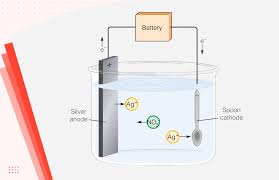
What is electroplating? It is a method in which metal ions in an electrolyte are deposited onto the surface of the object using electric current. The object to be plated acts as the cathode, while the anode is typically made of the metal that will form the coating.
How does electroplating work in practice? The process is carried out in an electrolyte solution that contains ions of the metal. When current flows, metal ions move toward the cathode and form a layer of metal on the substrate. As a result, the surface of the object gains new metallic properties that can be used in further applications. More information at https://www.electrispower.com/services/electroplating.
Key elements of the electroplating process
The electroplating process depends on several important components that must work together correctly:
- the electrolyte, which carries metal ions,
- the cathode, where the metal onto the surface is deposited,
- the anode, which supplies metal ions to the system,
- current density, which determines the quality of the coating.
These elements are used in electroplating to control how the metal layer forms. It’s important to determine whether the conditions are correct, because small changes can affect the final result.
Types of electroplating and commonly used metals
There are many types of electroplating depending on the material and application. Metals such as copper and silver, as well as gold, are commonly used for coating. For example, copper and copper and silver layers may be applied to increase conductivity or improve adhesion for further plating.
Electroplating is used in electronics, automotive parts, and industrial components. In addition, it is also used for decorative purposes, where the plating is designed to improve the appearance of the surface.
Applications and benefits of electroplating in modern industry
Electroplating in modern industry offers a variety of benefits. It can be used to protect materials from corrosion, improve wear resistance, and create functional surfaces. The development of electroplating technologies has made it possible to apply coatings with high precision.
In fact, the process can be adjusted depending on the substrate and the required properties. This means that electroplating is also suitable for both technical and aesthetic uses.
Practical considerations and limitations of plating
However, the process of electroplating requires careful control. The surface must be properly prepared, and the electrode surface needs to be clean. If conditions are not stable, defects may occur in the coating.
In addition, the brush method may be used in some cases, but it is less common than immersion techniques. Please refer to technical guidelines when selecting parameters for electroplating, as incorrect setup can affect quality and performance.