

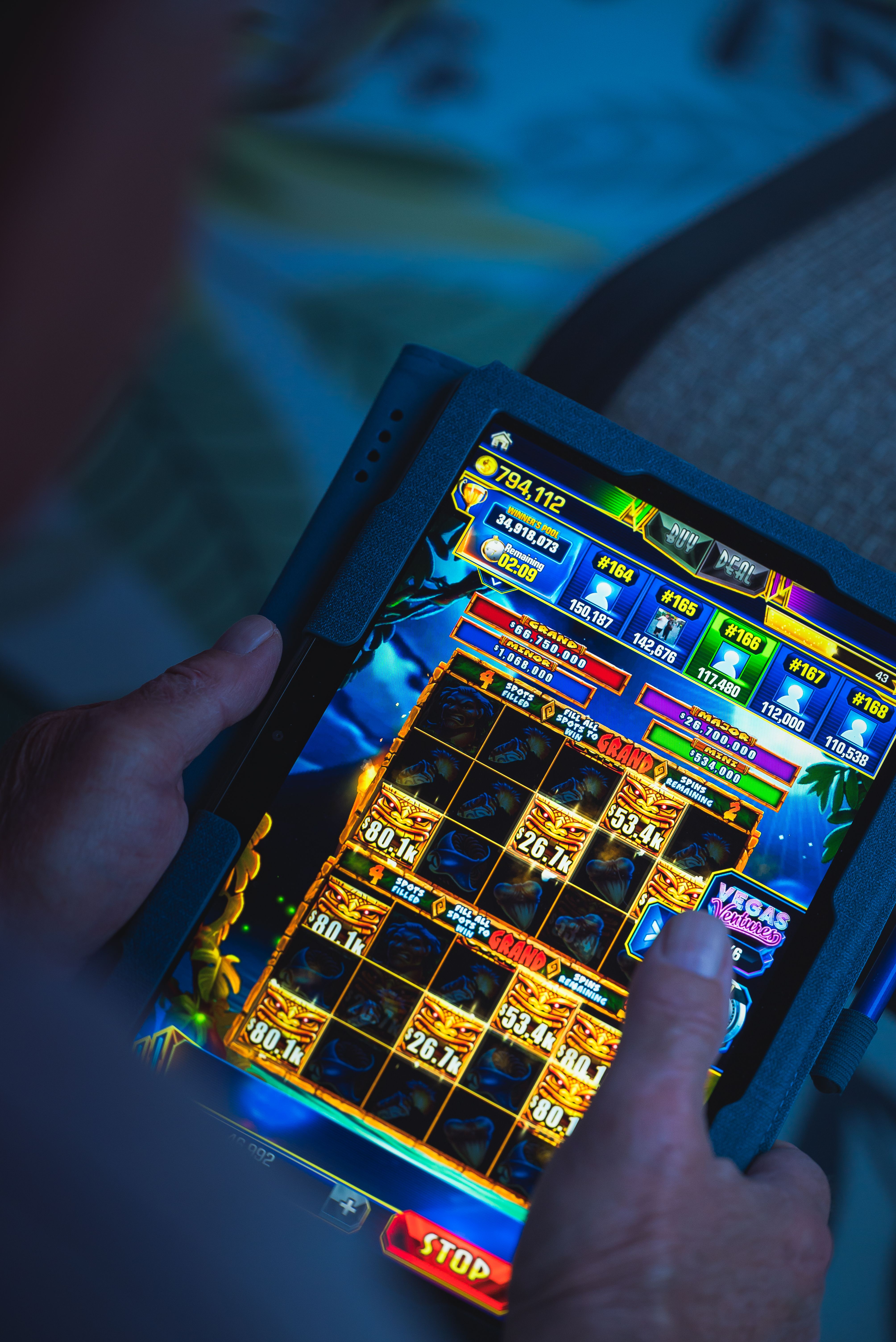
Spinning a slot or jumping into a live blackjack game on your phone feels easy, just tap and swipe. But under the hood, there’s a ton of engineering making every moment possible. Let’s dig into what really keeps these apps running and why this tech matters more than ever.
Millions of people walk around with a casino in their pocket, and most never stop to wonder how that slick app really works. You won’t find a dealer standing behind the scenes pulling levers, and there’s definitely no giant server room labeled “luck”. What’s actually back there is a tightly woven web of software, networks and security systems, all working together anytime someone places a bet.
The online gambling market shot up to about $88 billion in 2025 and looks set to hit $97.7 billion in 2026, according to Grand View Research. That kind of growth needs real tech muscle. If you’re curious about how software handles scale, speed and trust, casino apps are worth a closer look.
Why mobile engineering is the real star
A decade ago, most people gambled online using a desktop browser. Now, your phone does nearly all the work. Mobile and tablet devices brought in 57.14% of revenue in the online gambling industry in 2025, according to Mordor Intelligence, and that slice just keeps growing. Making a casino app run smoothly on both a five-year-old Android and the newest iPhone isn’t simple. Developers have to shrink big game files, keep loading quick and make sure animations look good, even on older processors, all while the backend manages thousands of sessions at once.
This is where platforms like Casiino Spiidi come in. They’re built for mobile-first users, gathering slots, live tables, bonuses, cashback deals and games from different studios in one spot. Registration, payments and reviews, they’re all organized so players can get what they need fast. None of this happens by accident; constant backend tweaking keeps everything fast, regardless of the device.
The plumbing nobody sees contains servers and random number generation
Every digital slot spin and card shuffle depends on a random number generator, a bit of software designed and tested so outcomes can’t be predicted or tampered with. Independent labs audit these systems regularly, and regulators demand proof the math is legit. Running beneath it all is cloud infrastructure that can handle huge traffic, spikes during sporting events and promotional rushes without crashing. Not glamorous work, but this is what separates trusted platforms from the rest.
Caesars doubled down on reliable backend tech in April 2025, partnering with slot maker AGS to launch the Triple Coin Treasures series online for the first time. It made Caesars’ digital platforms the only way to play these titles in places like New Jersey and Pennsylvania. Those exclusive launches only work if the systems can handle floods of new players smoothly.
Live casino streaming changed the whole game
If any tech has shifted how people feel about online gambling, it’s live streaming. Watching a real dealer shuffle cards or spin a wheel in HD video makes playing online feel much closer to actually being at the table. Live and in-play betting now forms 53.4% of all online gambling as of early 2026, according to Demandsage, showing just how much people want that real-time, human touch. Streaming high-quality video to thousands of devices at once, with barely any lag or glitches, takes serious engineering.
One big moment came in July 2025, when Evolution signed an exclusive deal with Hasbro to make live casino games based on Monopoly, Clue, Battleship and other household brands. This move brought familiar games into live formats and gave operators fun, new content to add to their platforms.
Payments had to grow up fast
Nobody enjoys waiting days for a withdrawal or risking their card info online. Payment tech had to catch up quickly. Mobile gaming soared by 65% while digital payment methods grew 58%, according to Business Research Insights, forcing operators to build faster and safer payment systems almost overnight.
Encrypted transactions, instant e-wallet transfers and layered fraud checks are now standard, not perks. If a platform can’t move money fast and securely, people aren’t sticking around, no matter how great its game selection is.
Behind the fun is a technically complex consumer software
Casino apps that let you play blackjack or spin slots from your couch are some of the most technically complex consumer software out there. Mobile performance, secure servers, fair-play systems, live video and quick and safe payments all need to work together every time someone logs on.
As more players lean toward mobile apps and live games, the demands on this tech aren’t slowing down. The platforms that keep upgrading will be the ones ready for the next wave of players who want a smooth, fast and trustworthy gaming experience.