
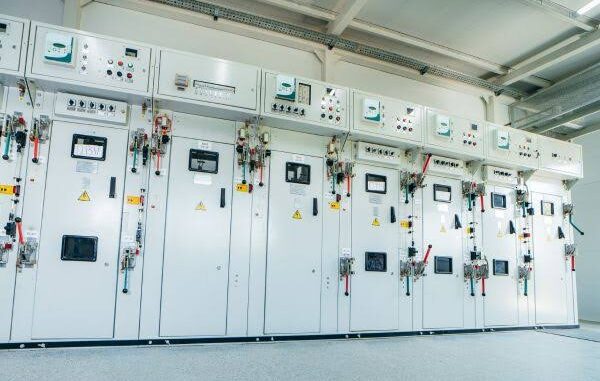
The first site is ahead of schedule. The second is waiting on inspection. The third? Someone just called to say the electrical panel specified six weeks ago is suddenly unavailable.
Welcome to multi-site construction, where one supply issue has an annoying habit of becoming ten.
Managing electrical work across multiple locations isn’t simply about hiring enough electricians. It’s about keeping materials, schedules, inspections, and suppliers synchronized, because once projects begin moving simultaneously, every missing component becomes a multiplier rather than a minor inconvenience.
That’s especially true when it comes to electrical panels, one of the few pieces of equipment capable of slowing progress across an entire portfolio of projects.
One Project Is a Job. Ten Projects Are Logistics.
Running multiple builds at once changes the rules. A delayed delivery that barely affects a single project can throw an entire regional schedule into chaos when crews are working across several locations. Electricians get reassigned. Inspectors are rescheduled. Material deliveries shift. Suddenly, project managers spend more time updating spreadsheets than walking job sites.
It’s not dramatic. It’s just expensive. The larger the project portfolio becomes, the more valuable predictable sourcing becomes.
Standardization Pays Off, More Than Most People Realize
Contractors often focus on labor efficiency, but material consistency deserves just as much attention.
Whenever project specifications allow, standardizing electrical panels across multiple sites simplifies purchasing, inventory management, installation, and future maintenance. Electricians become familiar with the equipment. Spare parts are easier to stock. Service technicians know what they’re working with years later.
There will always be exceptions, of course.
Renovation projects, varying utility requirements, and local code differences can require different panel configurations. Even so, reducing unnecessary variation helps eliminate many of the headaches that appear once projects move into construction.
Sometimes fewer product types mean fewer problems.
Supply Chains Love to Surprise You
Construction schedules are built around assumptions. One of those assumptions is that materials will arrive when promised. Unfortunately, supply chains don’t always cooperate.
Manufacturer shortages, discontinued models, shipping delays, and fluctuating inventory can all disrupt carefully planned construction timelines. Older commercial buildings add another layer of complexity, often requiring replacement components that standard distributors no longer keep in stock. That’s why experienced contractors rarely depend on a single purchasing option.
Suppliers with broad inventories, including current production equipment, surplus inventory, and obsolete electrical components, provide flexibility when unexpected shortages arise.
Companies like Verified Breakers help contractors navigate these situations by supplying tested electrical panels, circuit breakers, and hard-to-find replacement equipment that keeps projects moving even when traditional supply channels fall short.
Having options isn’t a luxury during multi-site construction. It’s contingency planning.
Communication Is Just as Important as Inventory
Materials don’t coordinate themselves. Project managers, purchasing teams, electricians, and suppliers all need accurate information to prevent delays before they happen. That means confirming panel specifications early, tracking inventory throughout procurement, and communicating schedule changes before deliveries leave the warehouse.
Small mistakes have a funny way of becoming larger once they’re repeated across multiple job sites. One incorrect model number might seem minor, until five buildings receive the wrong equipment.
Don’t Let Speed Compromise Safety
Fast construction should never become rushed construction.
The National Fire Protection Association (NFPA) continues to recommend using properly listed electrical equipment that complies with applicable safety standards, while the U.S. Consumer Product Safety Commission highlights the importance of replacing aging or defective electrical components that may create fire or shock hazards.
Qualified electricians remain essential for verifying service capacity, balancing loads, ensuring proper grounding, and completing installations that satisfy local code requirements.
No supplier can replace careful workmanship. And no schedule is worth sacrificing safety.
Successful Multi-Site Projects Are Built on Preparation
People often assume large construction programs succeed because everything goes according to plan. The reality is far less glamorous.
Successful contractors expect supply challenges, inspection changes, and scheduling conflicts. Then they build systems that absorb those disruptions before they affect the client.
Reliable sourcing for electrical panels is part of that strategy. By combining proactive planning with dependable suppliers and experienced installation teams, contractors can maintain momentum across multiple locations without compromising quality or safety.
Because when you’re managing one project, solving a problem is manageable. When you’re managing twenty, preventing that problem in the first place becomes the real advantage.