
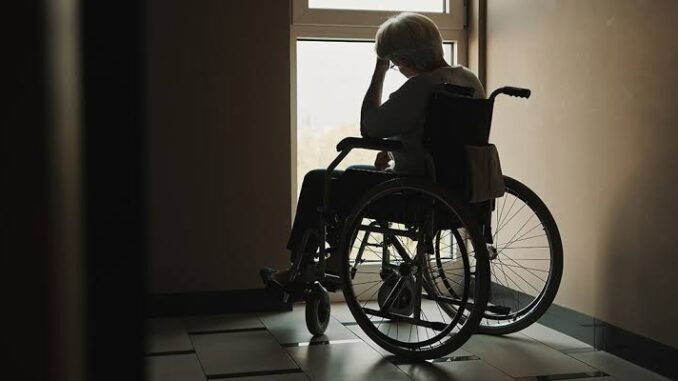
Putting a loved one in a nursing home is one of life’s most challenging decisions. But when age or disability make at-home care infeasible, these facilities can enhance life quality. With access to around-the-clock care and needs-specific accommodations, nursing homes alleviate the burden of family caregiving. In most cases, they also keep patients both comfortable and safe. Unfortunately, nursing home neglect and nursing home abuse can and do occur. These nursing home crimes are both underreported and widely misunderstood. Here’s how they’re different and what you should do if you suspect either one.
Intent Is the Key Difference Between Nursing Home Neglect and Abuse
Nursing home neglect is classified as a type of abuse, but it exists in a category of its own. Its distinguishing characteristic is intent. Neglect is often a passive offense that results from institutional failings. Rather than deliberately exploiting, mistreating, or harming residents, facilities or employees fail to meet their needs. Neglect can include withholding food, overlooking medical requirements, or ignoring call lights.
Among the most common forms of nursing home neglect are:
- Failing to treat or prevent bed sores
- Providing insufficient assistance with eating or drinking
- Not tracking changes in patients’ physical, cognitive, or emotional health
- Failing to report health changes to medical doctors
- Failing to prevent slip-and-fall or movement-related accidents
- Inadequate monitoring of patients with cognitive decline
Neglect is failure on the part of caregivers and facilities to fulfill their duty of care. Nursing home neglect can occur in environments in which all team members have goodwill toward patients. Acts of unintentional harm can arise due to poor training, understaffing, cost-cutting, or high staff turnover.
Though often the result of oversight, nursing home neglect can have devastating consequences for patients. It can lead to:
- Severe infections
- Severe dehydration
- Malnutrition
- Overdosing or underdosing of essential medications
- Unattended falls and severe injuries resulting from falls
When elderly residents with dementia or advanced Alzheimer’s disease wander off, insufficient supervision can even lead to the loss of patients or injuries that occur offsite.
Corporate profit motives are unfortunately another common cause of nursing home neglect. When corporate profit motives consider investor returns over the quality of patient care, training, food quality, and staffing quality decline. Team members work longer hours, experience physical exhaustion and emotional burnout, and face increasing resource depletion. Patient nutrition declines and patients receive less one-on-one support. With fewer professionals on hand, residents who need feeding assistance, bathing assistance, and other hands-on care become far less likely to receive it.
Common warning signs of nursing home abuse and neglect can include:
- Unexplained weight loss
- Soiled clothing
- Unwashed hair
- Body odors and poor general hygiene
- Sunken eyes
- Untreated pressure ulcers
- Chronic urinary tract infections and other recurrent illnesses
Certain environmental conditions can also indicate nursing home negligence. Among these are cluttered hallways, damaged equipment, strong urine or feces odors, unsanitary rooms and common areas, and slow response times when patients seek assistance.
Although neglect isn’t intentional, it can have the same psychological effects on patients as intentional abuse. Victims of nursing home neglect often appear withdrawn. They might also exhibit anxiety, depression, or fearfulness around staff members.
Nursing Home Abuse Causes Intentional Harm
Nursing home abuse is deliberate, active harm perpetuated on nursing home patients. It includes physical assault, sexual assault, financial theft, emotional abuse, yelling, berating, and other forms of intentional mistreatment. Nursing home abuse can occur in understaffed settings with poor training, but it can also exist in facilities that generally make patient care a top priority.
With intention being key, many people wonder what the possible motives for nursing home abuse might be. Most commonly, these are:
- Power and Control: Abusers exploit the vulnerability of aging or disabled residents in search of authority.
- Financial Greed: Staff, guests, and even family members might target nursing home residents for identity information, money, checks, or valuables.
- Anger and Retaliation: Nursing home staff might strike back at patients who exhibit challenging behaviors or have challenging requirements for care.
- Malice or Sadism: Some perpetrators derive psychological satisfaction from humiliating or hurting people who are unable to defend themselves.
While negligence is often a failing on the part of both nursing home professionals and nursing facilities, nursing home abuse could be limited to a single caregiver or a small group of caregivers. However, even in instances of standalone abusers, nursing homes can still be held liable for failure to carefully screen employees, failure to intervene, and other professional shortcomings.
In most cases, certain environmental conditions must exist for nursing home abuse to both take root and fester unnoticed. These can include understaffing, low wages and high burnout rates, insufficient training, poor management, and flawed or outdated screening practices.
Victims of nursing home abuse can suffer dehydration, malnutrition, bed sores, and many other symptoms that mirror those of nursing home neglect. But their symptoms might also include:
- Unexplained bruising, fractures, or other injuries
- Extreme fearfulness, anxiety, and visible cowering
- Missing personal belongings
- Unexplained bank account withdrawals
- Unexplained sexually transmitted diseases
Evidence of forcible restraint can also indicate nursing home abuse. The use of unauthorized chemical or physical restraints is also nursing home abuse.
How to Deal With and Report Nursing Home Negligence or Abuse
For families, dealing with and reporting nursing negligence and abuse can be terrifying. They might fear further retaliation against patients, especially when moving residents to new environments could require delays or isn’t financially feasible. The best course of action is always reporting suspected negligence and abuse to local authorities right away, even when suspected actions may not be intentional. Hiring a nursing home abuse lawyer creates another, immediate layer of accountability while providing families with much-needed guidance.
Families should document everything, capture visual evidence, and gently obtain statements from patients. They can also report their complaints to Adult Protective Services (APS), the long-term care Ombudsman, and state and local licensing agencies. Taking immediate action protects patients’ well-being and health while promoting better care for all nursing home residents.