
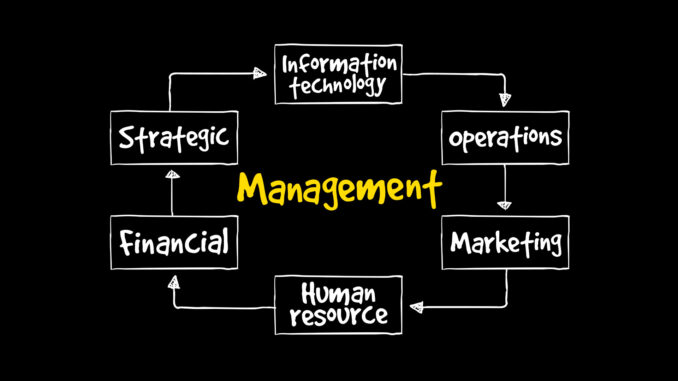
Transforming a business space is about more than looks. It is a strategic move that affects how people work and how a brand grows. A clean and organized area allows for better focus and faster results. Setting up a room with a plan in mind creates a smoother workflow for the entire team.
Strategic Planning for Growth
Setting clear goals is the first step for any business. A strategic plan guides a team as they set targets and approach tasks for several years at a time. This long-term view helps a company stay on track even when things get busy. One regional group notes that a three-year plan serves as a roadmap for goal setting and strategic work. Leaders who follow this path find it easier to manage their resources over time.
Aligning with Community Needs
A strong business strategy does not exist in a vacuum. It should connect with national goals and the needs of the local community. Making these connections helps a company unlock new funds and build better partnerships. A strategy for private sector engagement – designed to align business plans with national development priorities – promotes policies that lead to inclusive and green economic growth. This approach helps a business become a part of the local community.
Maximizing Your Floor Space
Many managers start with a clean slate when they move into a new office. When you browse cabinets for the right fit, you can visualize how the floor plan will function. This choice helps keep your inventory sorted and accessible. Having a place for every item reduces the time spent searching for tools. It creates a flow that supports daily operations without any clutter. Using vertical space for storage is a smart way to keep floors clear for walking.
Creating a Better Work Environment
Employee health is a major part of a successful strategy. When workers feel good, they perform better and stay with the company longer. A global forum suggests that improving well-being for employees could create $11.7 trillion in economic value across the world. Investing in the comfort of your staff is a smart financial decision since it builds loyalty. A comfortable workspace shows that a business cares about its people.
Choosing the Right Office Layout
The way a room is set up dictates how people talk and collaborate. Some tasks need quiet, but others need a group effort. Studies on different office styles show that a hybrid approach – mixing open and closed areas – is often the most effective solution.
- Quiet zones for deep work.
- Meeting areas for group projects.
- Social spots for casual breaks.
- Storage areas for office supplies.
A well-planned room allows employees to switch between tasks with ease. It accommodates various needs throughout the day. This balance keeps the team productive and happy.
Tracking Your Business Progress
Keeping track of data is a required part of a modern strategy. Reporting helps leaders see what is working and what needs to change. Certain guidelines help businesses manage their reports so they stay consistent and clear. A business plan report found that reporting and asset value modules are the most used parts of their guidelines. Most respondents use these tools to stay organized and transparent.
Training for Higher Output
Training is just as important as the physical space. Leaders often look for ways to boost output without overworking their staff. Industry insights show that 51% of executives believe investing in new skills for workers produces the biggest productivity gains. Providing growth opportunities is a way to keep talented people on the team. It shows that the company is looking toward the future.
Equipping Your Team with Tools
Providing the right equipment is another part of the productivity equation. Digital tools and management software help teams work faster. A guide for managers suggests that equipping employees with management tools helps them work faster and collaborate with ease. These tools allow for better communication between different departments. They remove the barriers that slow down daily tasks.
Sustainable Practices for the Future
Sustainability is no longer just for large corporations. Smaller companies find that green choices save money and build trust. A network for conservation values says that protecting these values helps create a sustainable future for all. Making planet-positive choices can include simple things like using less paper or energy. These steps align a business with community needs.
An organized business space is a foundation for success. It influences how employees feel and how efficiently they complete their jobs. These changes do not have to happen overnight. Small steps lead to big results in the long run. A focus on order and strategy will help any business thrive in a competitive world.
Leave a Reply